











Electronic flight displays-glass cockpits in the modern vernacular-were a novelty just six years ago. Then all at once, it seems, they were everywhere. Every new airplane is delivered equipped with some kind of glass and older airframes are seeing retrofits. Steam gauges are still in the majority, but theres enough glass out there to pose this question: Is it really better? More important, is glass actually more reliable and safer? Lacking a detailed blind study, a take-it-to-the-bank answer isnt possible and 288
EFIS Evaluated
Electronic flight displays-glass cockpits in the modern vernacular-were a novelty just six years ago. Then all at once, it seems, they were everywhere. Every new airplane is delivered equipped with some kind of glass and older airframes are seeing retrofits. Steam gauges are still in the majority, but theres enough glass out there to pose this question: Is it really better? More important, is glass actually more reliable and safer? Lacking a detailed blind study, a take-it-to-the-bank answer isnt possible and would, in any case, be subject to debate. So we did the next best thing. We joined with our sister publication, Aviation Consumer, and surveyed more than 300 owners and operators of various types of EFIS displays. Via an online survey published by our news service, www.avweb.com, we asked owners to evaluate the very idea of electronic displays compared to conventional iron gyros and analog pitot-static instruments. Is the glass easier to use? Do owners like the displays? Whats the maintenance like? And above all, do these sophisticated but relatively untried systems inspire the confidence necessary to charge off into the gray innards of hard IMC? Both of our magazines have received e-mails complaining about system failures, and more than one of these has claimed reliability is worse than the industry claims. If this were true, we reasoned, our survey would turn up a substantial number of complaints. It didnt. While owners did report glass failures and several pilots reported more than one failure, there was no widespread pattern related to poor reliability.
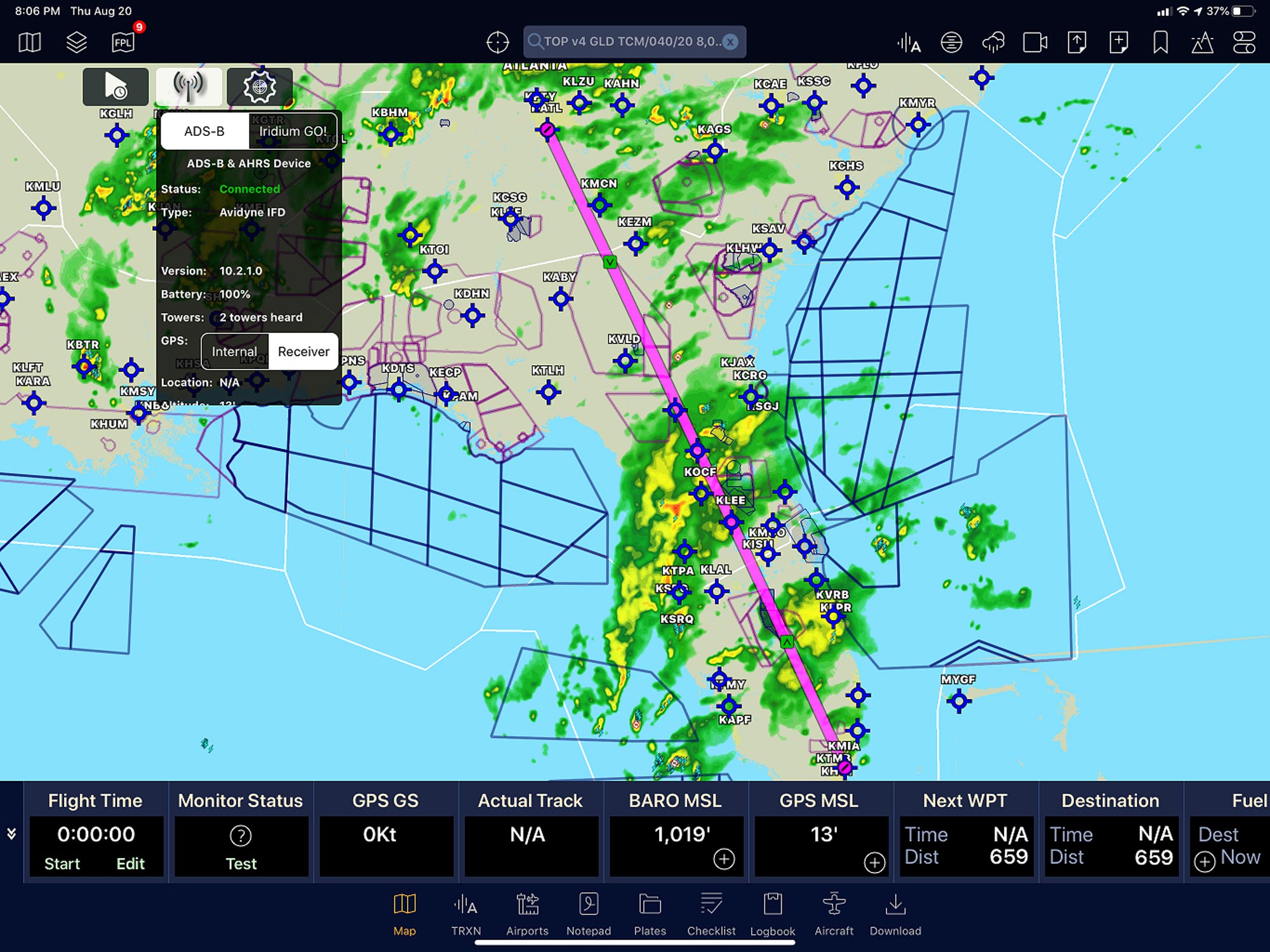

Key Takeaways:
- Users overwhelmingly prefer Electronic Flight Displays (EFIS) or "glass cockpits" over traditional instruments, largely finding them safer, more beneficial, and enhancing situational awareness.
- Despite some reported individual failures, the survey found no widespread pattern of poor reliability for EFIS systems, with maintenance generally meeting or exceeding user expectations.
- Effective and recurrent training is crucial for maximizing the safety benefits of glass cockpits; a lack of deep understanding can transform the technology into a distraction rather than an aid in critical flight phases.
Key takeaways sponsored by Aviator Pro | Start Your Training ->
See a mistake? Contact us.

