











If youve flown much in front of a Garmin G1000 or Avidyne system equipped with datalinked weather, you know they can deliver nearly as much information as an FSS briefing or a Duat session. While datalink weather was never intended to substitute for a full weather briefing, the reality is many pilots use it that way. But does it substitute for a full-up weather briefing, practically or legally? The answer to the first question is “maybe,” but to the second, its a fuzzy “no.” Still, getting 288
Datalink Weather Brief
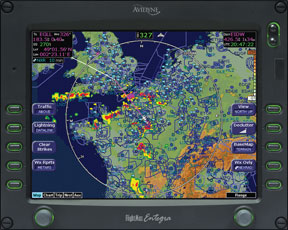
If youve flown much in front of a Garmin G1000 or Avidyne system equipped with datalinked weather, you know they can deliver nearly as much information as an FSS briefing or a Duat session. While datalink weather was never intended to substitute for a full weather briefing, the reality is many pilots use it that way. But does it substitute for a full-up weather briefing, practically or legally? The answer to the first question is "maybe," but to the second, its a fuzzy "no." Still, getting your weather brief literally "on the fly" in the cockpit can save a bunch of time. If the route is familiar and conditions relatively mild, the only thing youll miss is the FSS briefers closing plea for Pireps.

Key Takeaways:
- Datalink weather systems offer convenient, real-time access to key information like Nexrad radar, graphical METARs, and TFRs, making them valuable for in-flight awareness and pre-flight in benign conditions.
- However, these systems do not constitute a full legal or practical weather briefing due to critical missing information.
- The most significant omission is NOTAMs (Notice to Airmen), which are crucial for avoiding hazards such as closed runways, out-of-service navigation aids, and other critical operational information.
- Additionally, datalink often lacks the comprehensive area forecasts, detailed trend analysis, and severe weather outlooks provided by traditional FSS or online briefings, making them less suitable for complex or dynamic weather scenarios.
Key takeaways sponsored by Aviator Pro | Start Your Training ->
See a mistake? Contact us.

