














Breaking Down the BVLOS Drone Proposal

Recommended rule would streamline the process for authorizing beyond visual line of sight (BVLOS) drone flight.

drone flight
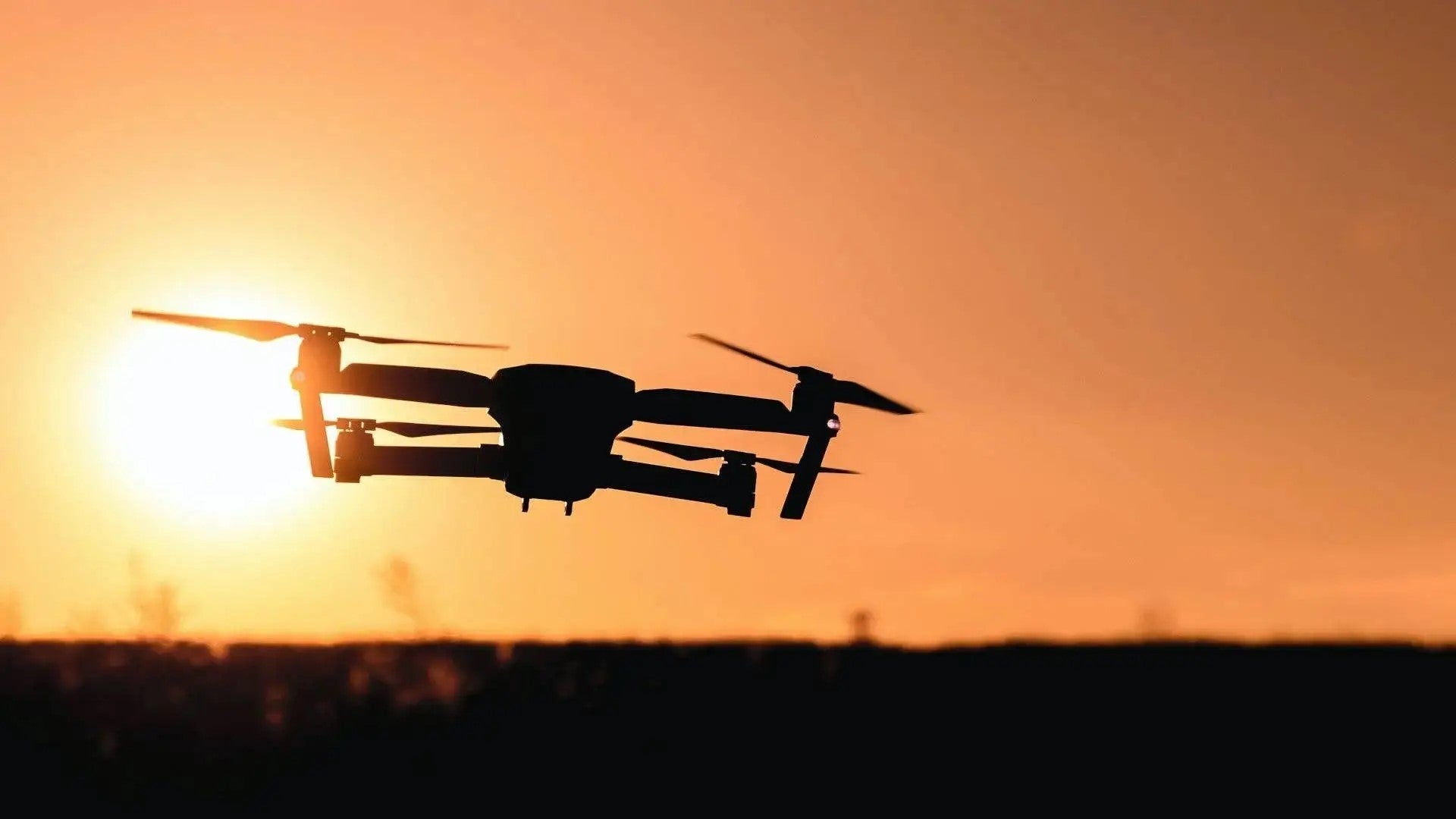
The FAA’s proposed Part 108 rule would open the floodgates for expanded commercial drone operations in the U.S. [Courtesy: Pexels/JeShoots]
Gemini Sparkle

Key Takeaways:

  • The FAA has proposed a new rule (Part 108) to significantly streamline and expand Beyond Visual Line of Sight (BVLOS) operations for commercial drones, fostering their use in sectors like delivery, agriculture, and public safety.
  • This framework shifts from prescriptive design standards to performance-based requirements, utilizing industry consensus standards and "airworthiness acceptance" in lieu of traditional certification to standardize approvals and accelerate drone integration.
  • Part 108 also introduces new operational permits/certificates based on risk, defines new personnel roles (operations supervisor, flight coordinator without traditional pilot licenses), and establishes certification for Automated Data Service Providers (ADSPs) to ensure integrated and safe airspace management.
See a mistake? Contact us.

Fresh off the release of a final rule for light sport aircraft and guidance for powered-lift aircraft certification, the FAA is looking to usher in the dawn of American drone dominance.

More than four years ago, the regulator initiated the creation of rules for drones that fly beyond the visual line of sight (BVLOS) of their operator. With limited exceptions, the uncrewed aircraft (UA) must be visible to human personnel, heavily restricting their range and ability to reach customers.


On Tuesday, though, Transportation Secretary Sean Duffy announced that the FAA has devised a new Part 108 to enable far quicker and easier BVLOS authorizations. In effect, the proposed rule would open the floodgates for expanded operations of commercial drones in food and package delivery, agriculture, aerial surveying, public safety, and other activities.

“What this is going to do is allow our innovators and businesses to continue to create and innovate and change the way our industry works with the use of these drones,” Duffy said.

Manufacturers and operators would rely largely on performance-based requirements for drone design, testing, production, and more. They would use FAA-approved, industry consensus standards to show compliance with these requirements and obtain a Part 108 “airworthiness acceptance,” in lieu of traditional certification. The new process would allow the FAA to standardize BVLOS approvals and operations rather than pore over them on a case-by-case basis.

“While still just a proposed rule with opportunity for public comment and modifications, the long-awaited NPRM [Notice of Proposed Rulemaking] is a crucial step,” Ed Bolen, president and CEO of the National Business Aviation Association (NBAA), said in a statement.

Why a BVLOS Rule Is Needed

Part 108 has been a long time coming. The proposed rule reached review under the Office of Information and Regulatory Affairs (OIRA) late last year.

But OIRA failed to publish it before former President Joe Biden left office, sending it back to the FAA. The FAA Reauthorization Act of 2024 mandated that the agency produce a notice of proposed rulemaking (NPRM) by September—a deadline it failed to meet.

As they continue to wait, commercial drone operators have grown restless. At an industry summit in May, Lisa Ellman, executive director of the Commercial Drone Alliance (CDA), told FLYING they “feel the consequences of no action every day.”

But momentum is building. Part 108 in May once again reached OIRA review. The White House, meanwhile, in June announced an executive order requiring a BVLOS NPRM within 30 days and final rule within nine months. With the publication of a proposed rule in the Federal Register on Tuesday, it appears regulators are staying on schedule this time around.

“We’ve got a little bit of the Wild West out there right now,” said Bryan Bedford, who was confirmed as FAA administrator in July. “Regulating to a common standard, making sure the vehicles comply with our regulations, and then surveilling that is a much better place than where we’re at today.”

The commercial drone industry isn’t what it used to be.

Registrations under the FAA’s Part 107, required for commercial operations, have spiked to more than 430,000 as of July. In certain pockets of the U.S., drones are routinely delivering hot meals, inspecting power lines, and even serving as first responders. In Dallas-Fort Worth, for example, drone delivery providers Wing and Flytrex since May have flown in shared airspace—a first for the industry.

“Drone operators must navigate a labyrinth of ill-suited regulations designed for crewed aircraft, placing an artificial ceiling on innovation and hampering progress,” Ellman said Tuesday.

With increased activity comes increased potential for safety issues. According to the NFL, there have been thousands of incidents of drones flying over stadiums, prompting temporary airspace restrictions and even stoppages of games. In January, a drone punched a fist-sized hole in a Bombardier Canadair CL-415 Super Scooper that was responding to wildfires in California.

“I would argue the drone strike over the wildfires is the reason we need this regulation,” said Bedford.

Despite the abundance of aircraft, Airspace Link, which offers a drone operations management system, told FLYING that there are only about 240 operators with BVLOS permissions. The proposed Part 108 could enable thousands more.

“This framework will enable the kind of high-volume, automated operations that cities and businesses have been envisioning, while ensuring the safety and coordination necessary for public acceptance,” said Airspace Link CEO Michael Healander. “We’re moving from an era of experimental drone flights to one of routine, integrated airspace operations…This proposed rule represents the most significant advancement for commercial drone operations since the industry began.”

What Part 108 Would Do

Instead of relying on prescriptive design standards, the proposed rule has a more performance-based slant.

Expanded Operations and Oversight

Drones flying BVLOS would be limited to flights below 400 feet and 87 knots ground speed, for example. Takeoff and landing sites would need to be preregistered and access-controlled. But different rules will apply depending on the mission and manufacturer. These would not cover Part 107 operations, passenger-carrying operations, or limited recreational use such as photography.

For instance, Part 108 would require operators to obtain either an operating permit or operating certificate, depending on the scale and risk of the operation. The former would apply to low–risk services such as package delivery, agricultural, and aerial surveying.

The more robust certificate would allow operations that are riskier due to higher aircraft size, weight, speed, or fleet size. On a case-by-case basis, the FAA would evaluate proposals to fly multiple drones.

The rule also creates five categories of operations over people based on population density. The more people below the drone’s flight path, the stricter the operational limitations. Flights over large open-air gatherings, such as sporting events and concerts, would be prohibited.

One of the more significant provisions in the rule involves automated data service providers (ADSPs) that monitor for potential collisions and ensure drones stick to their flight plans. It proposes the creation of a Part 146 that would require ADSPs to obtain certification and be regulated by the FAA, classifying them as air agencies akin to flight schools. Operators could provide these strategic deconfliction and conformance monitoring services themselves if they show compliance with Part 146.

Airspace Link’s Healander said the Part 146 provision is a “watershed moment.” Anra Technologies, which provides drone traffic management services, called it a “transformative opportunity” and the “missing regulatory link.”

“This is the FAA’s most consequential step yet toward fully integrating drones into the national airspace,” Anra founder and CEO Amit Ganjoo told FLYING. “For the first time, we have a comprehensive, risk-based framework that moves us beyond the current patchwork of waivers and exemptions toward routine, scalable BVLOS operations in the U.S.”

That oversight may open more airspace to BVLOS flight. For example, the FAA proposes allowing drones with approved strategic deconfliction and conformance monitoring services to fly in controlled airspace. It would designate portions of class B, C, and D airspace that require these capabilities—the rest would be accessible without authorization. Flights near airports, heliports, seaplane bases, and other takeoff and landing sites would be prohibited.

Other safety requirements would apply more generally. Drones would need to monitor crewed aircraft transmitting ADS-B Out, using detect and avoid (DAA) systems. In the most complex airspace and densely populated areas, they would need to detect all crewed aircraft, including those not broadcasting their location. Crewed aircraft will always have right of way outside of shielded areas within 50 feet of power lines, railroads, bridges, and other infrastructure where drones may be performing inspections.

The drones themselves would be prohibited from transmitting ADS-B Out. Instead, they would require standard remote identification systems—digital license plates that broadcast data such as location, speed, and altitude. An FAA-commissioned report in July unearthed concerns with the performance of these systems. But the agency proposes increasing their minimum performance standards to ensure they are safe for more complex operations.

New Drone Framework

Crucially, Part 108 as proposed would not require personnel to possess an airman or remote pilot certificate because, according to the FAA, the “UAS industry has increasingly come to rely on technology, rather than human interaction or intervention, to ensure safe operation.”

Instead, operators would have an operations supervisor and flight coordinator. The operations supervisor would oversee overall safety and security, while the flight coordinator would directly monitor each BVLOS flight and step in as needed. Both positions would need to meet certain training requirements and undergo Level 3 security threat assessments by the Transportation Security Administration.

These newly defined personnel would require FAA approval for the specific area in which they are flying and familiarity with airspace and flight restrictions. Training would cover the specific make and model of the drone for their area of responsibility.

In addition, operators would need to keep records of each BVLOS flight, personnel training, and maintenance action. Monthly flight data, unplanned landings, loss of control or communication, cybersecurity breaches, and property damage over $500 would need to be reported to the FAA.

Another quirk in the proposed rule is the use of an airworthiness acceptance in lieu of traditional aircraft certification.

Part 108 prescribes a few design limitations, including a maximum 25-foot wingspan, 1,320 pound MTOW, and 87 knots ground speed. It requires certain equipment, such as anti-collision lights, and other safety assurances. But the industry would develop FAA-approved consensus standards for manufacturers to meet largely performance-based requirements for design, production, and airworthiness. The only exception is required compliance with Part 36 noise requirements.

These standards would cover the drone itself, as well as associated elements—including ground control stations and fleet management systems—and potentially even ADSPs. Manufacturers would also need to produce a host of documentation, including operating limits, maintenance instructions, and a list of life-limited parts.

Allowing the industry to develop a means of compliance for these design, testing, and performance standards would be a boon for manufacturers. Still, the FAA suggested a floor of 150 “failure-free” flight hours across two mandated phases of testing. Flight testing would not require an airworthiness acceptance.

What Comes Next?

Part 108 isn’t final just yet. But with the NPRM’s publication in the federal register, commenters will have 60 days to provide feedback to the FAA. Those insights should give the regulator everything it needs to finalize the rule.

“Timely finalization of this rule is essential,” said Michael Robbins, president and CEO of the Association for Uncrewed Vehicle Systems International (AUVSI). “It will bring clarity to the industry, unlock real public value, and ensure the U.S. leads in the safe integration of uncrewed systems.”

The White House’s June executive order gives the FAA nine months to sort out any hiccups. That means we could have a final BVLOS rule by March if it can stay on track.

“Everyone who benefits from drone operations today should raise their voice in support of this progress, and provide concrete advice to regulators on how to further refine the proposal,” Liz Forro, policy director for the CDA, said in a statement.

The executive order also contains provisions intended to boost U.S. drone production, including domestic manufacturing and export protections. Combined with Part 108, the country could potentially see an influx of drones flying without direct human oversight.

That creates a few questions for cities and other sensitive locations, such as how to detect and mitigate collisions. Another White House executive order, though, directs the government to ramp up security and counter-drone measures.

Accompanying Part 108 in OIRA review, for example, is a provision that would allow critical infrastructure and other public facilities to bar unapproved drones from their airspace. Ellman earlier this year told FLYING the rules are “two sides of the same coin.”

“Our hope is that the final rule will accelerate the expansion of commercial and public safety drone operations throughout the United States, while enhancing the safety and transparency of the national airspace,” Ellman said Tuesday.

Like this story? We think you’ll also like the Future of FLYING newsletter sent every Thursday afternoon. Sign up now.

Jack Daleo

Jack is a staff writer covering advanced air mobility, including everything from drones to unmanned aircraft systems to space travel—and a whole lot more. He spent close to two years reporting on drone delivery for FreightWaves, covering the biggest news and developments in the space and connecting with industry executives and experts. Jack is also a basketball aficionado, a frequent traveler and a lover of all things logistics.

Ready to Sell Your Aircraft?

List your airplane on AircraftForSale.com and reach qualified buyers.

List Your Aircraft
AircraftForSale Logo | FLYING Logo
Pilot in aircraft
Sign-up for newsletters & special offers!

Get the latest stories & special offers delivered directly to your inbox.

SUBSCRIBE
