Safety Analysis

Regulatory Traps

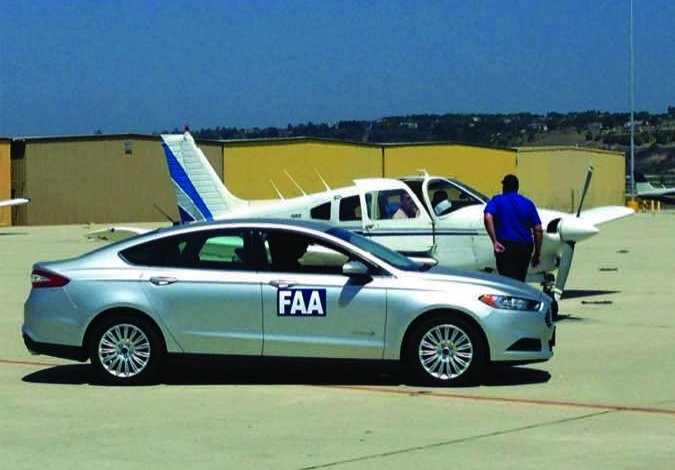
Pilots have been complaining about FAA regulations (and those of its predecessor agencies) since the first aviation rules were issued in the 1920s. A lot of that complaining stems from the aviation media constantly bombarding us with horror stories of over-regulation and how its killing general aviation. The reality is very different, at least for pilot certification under FAR Part 61 and flight operations under Part 91.

Read More »

Soaring School

The first years and hours I spent aloft werent really loggable toward an FAA pilot certificate. Thats because I was doing it from a hang glider, jumping off the side of a mountain, wearing a helmet and strapped to a wing. I was the landing gear. It was more of a sport than a form of transportation, but that early exposure to flight taught some lessons that were easily transferred to powered airplanes. I went on to earn my private and an instrument rating, and have flown some interesting airplanes along the way.

Read More »

Pushrods

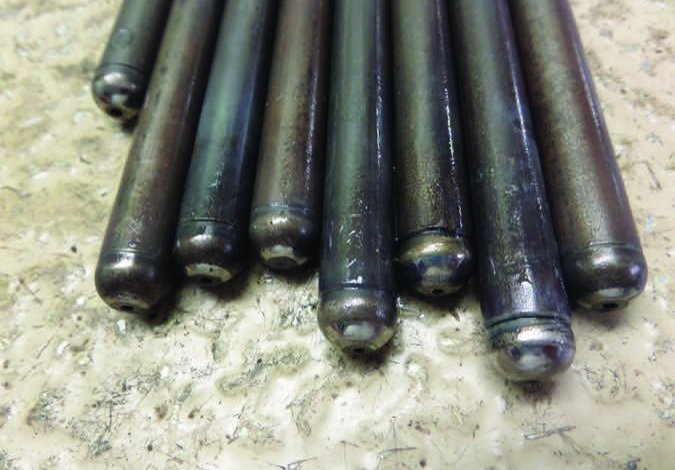
The number 3 cylinder exhaust pushrod broke, due to a valve stuck in the closed position. The valve was not stuck at the time of the investigation. No marks were seen on the top of the piston as viewed through a borescope. The lifter came apart as a result of the broken push rod but appears to have been operating properly prior to the event.

Read More »

Situational Awareness?

Over the last couple of decades, theres been a growing realization within aviations training and safety arenas about situational awareness. The conversation generally involves ways to enhance situational awareness in the cockpit and often concentrates on technological solutions, like moving maps, or displaying real-time traffic and weather. The presumption is that greater situational awareness is better and that all of us have at least some measure of this characteristic.

Read More »

NTSB Reports: June 2017

While on the base leg for his private grass airstrip, the pilot noticed he was high, so he added flaps to increase his descent rate. On final, the airspeed was a little fast and during the landing, he flared the airplane a little high. After touchdown, the pilot applied the brakes, but the airplane did not respond, so he applied a little more brake. The airplane nosed over and came to rest inverted, sustaining substantial damage to both wings and the empennage. The pilot reported he should have performed a go-around instead of attempting to salvage the landing.

Read More »

Download The Full June 2017 PDF

Its that time of year again in North America: Summer is upon us and theres nothing we can do about itwithout a passport, even if we want- ed to. The good news is we no longer have to deal with freezing precipitation, cold, low clouds hugging a run- way for warmth or preheating our engines. More good news is that the number of reasons to hop in an air- plane and go somewhere will grow. Options will include small y-ins and pancake breakfasts to the large, name-brand events, and everything in between. There is other stuff going on with the change of seasons, which may or may not be good.

Read More »

BasicMed Takes Effect

Effective May 1, 2017, you may no longer need to hold an FAA third-class medical certificate to serve as pilot in command. The change results from FAA implementing a Congressional mandate enacted last year, which directed the agency to develop appropriate regulations to eliminate the third-class medical for specified flight operations. The image below, prepared by the FAA, highlights BasicMeds major provisions.

Read More »

Fuel Tanks

Aircraft had been inactive and hangared for approximately six months. While trying to troubleshoot a fuel quantity indication problem, a fuel sample revealed contamination, which was sent for analysis. While awaiting results, tanks were drained and an anti-bacterial fuel additive was added before they were refilled.

Read More »

Nuts

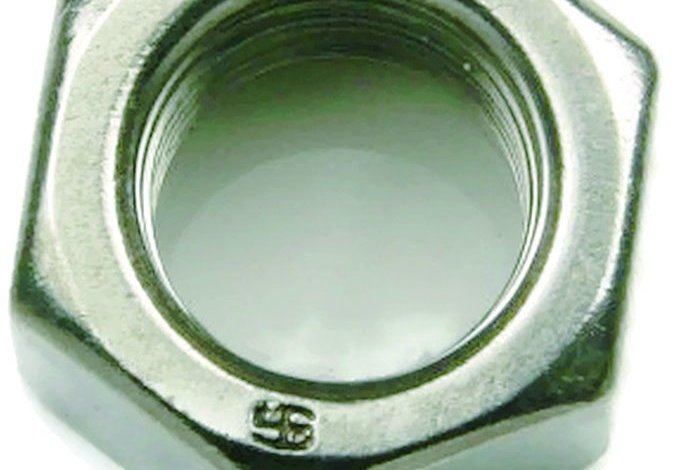
Inspection after aircraft received from paint shop found left elevator actuating rod nut unpinned and backed off almost completely, with its bolt backing out. Left aileron outboard hinge was not attached. Hinge plate pinched between skin. Aileron binding. This aircraft was flown in this condition.

Read More »

Is This The Right Runway?

and may cause an aircraft separation standard to be compromised. The area may have a history of surface incidents or the potential for surface incidents. This may be due to any mix of causes: airport geometry; ground traffic flow; markings

Read More »
Pilot in aircraft
Sign-up for newsletters & special offers!

Get the latest stories & special offers delivered directly to your inbox.

SUBSCRIBE