Preliminary Reports

NTSB Reports

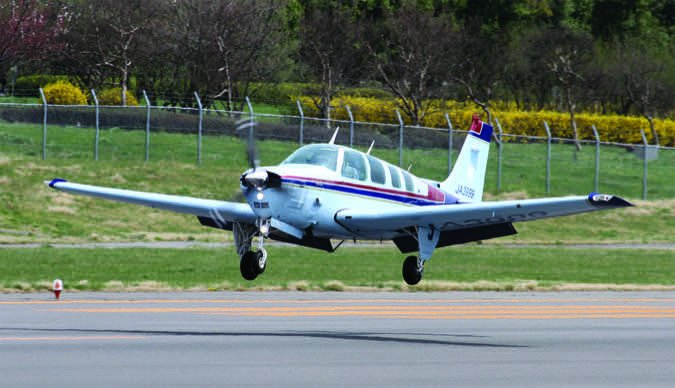
After maneuvering away from the airport, the Piper returned and executed a touch-and-go landing. Radar data indicate the airplane climbed to 900 feet msl at 80 knots of groundspeed before radar contact was lost. Witnesses observed the airplane flying normally, then saw the left wing separate from the fuselage, which impacted a field. Preliminary examination revealed the left wing main spar exhibited cracks from metal fatigue extending through more than 80 percent of the lower spar cap, and portions of the forward and aft spar web doublers. The right wing also exhibited fatigue cracks in the lower spar cap at the same hole location extending up to 0.047-inch deep. The 2007 airplane had accumulated 7690 flight hours since new. Weather at 0953 included wind from 260 degrees at seven knots, 10 statute miles of visibility and few clouds at 25,000 feet.
Read More »

NTSB Reports

At about 1051 Eastern time, the airplane was substantially damaged when it struck terrain during an attempted go-around. The private pilot and the pilot-rated passenger were not injured. Visual conditions prevailed.

Read More »

NTSB Reports

At about 1725 Eastern time, the airplane sustained substantial damage following a landing gear separation during landing. The flight instructor in the right seat and the pilot receiving instruction in the left seat sustained no injuries. Visual conditions were present.

Read More »

NTSB Reports

The pilot reported attempting to activate the airports pilot-controlled lighting (PCL) system, but was unsuccessful. He continued toward the airport and, while maneuvering for a landing, he lost sight of the airport. The pilot continued to descend, however, and the airplane sustained substantial damage when it impacted a fence adjacent to the runway at around 1650 Central time. The private airports owner reported the PCL does not receive signals from the southeast, due to obstructions. The accident airplane was approaching from the southeast.

Read More »

NTSB Reports

At about 1735 Pacific time, the airplane sustained substantial damage during a forced landing after a reported loss of engine power. The flight instructor and commercial pilot sustained minor injuries. Visual conditions prevailed.According to the pilot, on final approach, one of the airplanes two engines began to surge and lost power. Unable to make the airport, he decided to land on a nearby field located on a golf course. During the landing, the airplanes right wing struck an obstacle, resulting in substantial damage to the wing. The airplane came to rest in a pond, submerged in water.

Read More »

NTSB Reports

October 1, 2017, Klamath Falls, Ore.Cirrus Design SR22At about 1043 Pacific time, the airplane was destroyed when it impacted terrain while maneuvering in a remote mountainous area. The private pilot and the passenger received fatal injuries. Instrument conditions were reported in the area at the time of the accident.

Read More »

NTSB Reports

The pilot later stated the approach to land was steeper and faster than normal as he was aware of cranes near Runway 18s approach end. The airplane landed long and instead of going around, the pilot continued with the landing. The airplane went off the runway and into Tampa Bay. Observed weather included wind from 170 degrees at eight knots.

Read More »

New To The Airplane

Even relatively simple airplanes, those with welded-down landing gear and a fixed-pitch propeller, can have complicated systems. Most of the time, everything works as intended by the manufacturer and all is well. On rare occasions, however, equipment failures occur. When that happens, its easy to say that excellent systems knowledge will save the day. The reality is somewhat different, and pilots often do not have the time or third hand with which to look up systems information in the airplanes documentation.

Read More »

NTSB Reports

August 1, 2017, Phoenix, Ariz.Grumman AA-1B TrainerAt about 1300 Mountain time, the airplane was substantially damaged when it impacted terrain shortly after takeoff. Both the flight instructor and student pilot sustained serious injuries. Visual conditions prevailed.According to witnesses, after the airplane lifted off and was in its initial climb to the west, the wings started to rock back and forth. The airplane began to descend, struck the airport’s western perimeter fence and collided with terrain before coming to rest on a road bordering the airport.

Read More »
Pilot in aircraft
Sign-up for newsletters & special offers!

Get the latest stories & special offers delivered directly to your inbox.

SUBSCRIBE