Aviation Safety

Flying On-Top of The CloudsTips

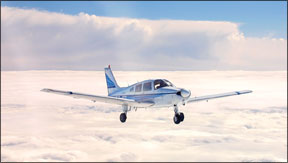
I love clouds; I always have, even as a child. When I learned to fly, I came to understand what they could tell me-as well as what they could do to me. Then, as I earned the thin suit of armor we call an instrument rating, I could not only look upon clouds from my new perspective, I could get up close and personal with them. Soon, I learned getting above them offered the best of many worlds, including greater visibility, better weather, a smoother ride and more advance notice of challenging weather ahead. But I also learned getting and staying on top of a cloud deck can put you someplace youd rather not be, even with an instrument rating.
Read More »

Undertrained Instrument Rated Pilots

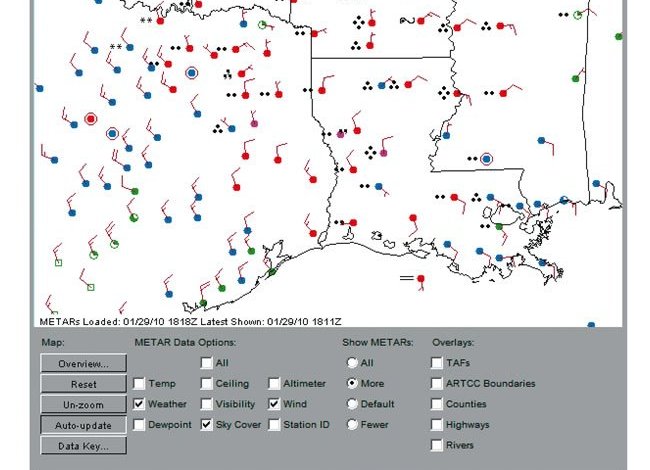
Its relatively commonplace to earn the instrument rating without ever having flown in a cloud. Thankfully, our double-I welcomed our wish for training in as much IMC as we could find. We were fortunate: Other instrument instructors with whom we were familiar at the time refused to provide any training in IMC. The point is a new instrument pilot has no idea what he might be getting himself into in those first few unsupervised hours after earning the rating unless hes seen some IMC and can reliably translate a weather report of 400 overcast and a couple miles visibility into what hell see on the approach.

Read More »

Brake Right

Transforming our elegant aerial machines into land vehicles is arguably the single most difficult aspect of flying. Many flight hours are spent practicing approaches and landings, occasionally followed by smooth deceleration to a safe, controlled stop. Brakes help make this possible, but if you ignore or abuse them they can bite back in a most spiteful way. The brakes in most general aviation airplanes involve relatively simple systems, but theyre not as robust as an automobiles. For one thing, most personal airplanes arent equipped with an anti-lock brake system. For another, automobile brake components are larger, heavier and more powerful. Yet, we often find ourselves in an airplane on or near the ground traveling at highway speeds. And, like so many tasks associated with aviation, theres also a right and wrong way to use an airplanes brakes. Lets start with how to inspect them.

Read More »

OJT

Several recent newspaper and magazine articles have reported on supposed pilot shortages in the U.S. and, especially, abroad. The reporting, of course, focuses on airline flight crews but doesnt really distinguish between long-established U.S. carriers flying Boeings and Airbii and what at least one industry observer labeled the “lower rungs of the aviation career ladder:” regional jets and turboprops. At least one close friend, himself serving as a regional jet captain, has expressed amazement at the relatively low talent and experience levels hes finding in the seat to his right.

Read More »

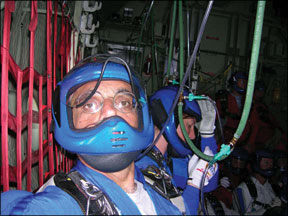
Hypoxic Stupidity

I applaud Paul Bertorelli for promoting hypoxia awareness (“My Payne Stuart Moment,” December). Mr. Bertorelli clearly prefers the “reduced breathing method” of hypoxia awareness training over the traditional altitude chamber ride, apparently because the hypoxic symptoms come on slower. My observation is that recognition of the symptoms is the critical thing, not how long they take to become recognizable. Also, using the term “denial” for failing to take appropriate action after the onset of hypoxia is to my mind non-productive. Mr. Bertorelli uses a better term himself when he describes a “state of hypoxic stupidity.”

Read More »

Corrosion And leaks

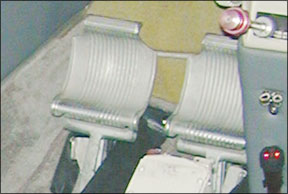
Upon investigating a loose rudder pedal, the controls were disassembled. We found the shaft had been double-drilled with the holes overlapping. This aircraft is a relatively new aircraft, having been certificated in January 2002. Pilots rudder pedal assembly: p/n 002-524040. Left rudder pedal shaft: p/n 002-524016-5.

Read More »

October 7, 2007, Ekalaka, Mon., Cessna 310N

The airplane collided with terrain about 1148 Mountain time, sustaining substantial damage. The private pilot and the one passenger aboard received fatal injures. Instrument conditions prevailed for portions of the flight; visual conditions prevailed at the accident site.

Read More »
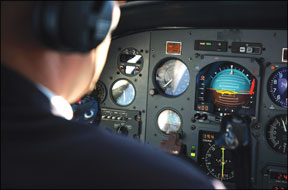
Pilot in aircraft
Sign-up for newsletters & special offers!

Get the latest stories & special offers delivered directly to your inbox.

SUBSCRIBE