Aviation Safety

Flying The Flare

The ideal flare results from one continuous motion, beginning with raising the airplanes slight nose-down attitude to arrest the descent, all the way through touchdown on the mains in a nose-high attitude. Few of us are that good-or that lucky-so we fall back to doing it in stages: pitch slightly up to slow the descent rate and begin decelerating, wait for the effect to be known, then add more nose-up. Rinse, repeat. The timing and rapidity with which we pitch up the second time depends on everything thats happened before on this approach: How high are you? How fast? How much power are you carrying into the flare? How heavy (or light) is the airplane? How stiff is the headwind youre flying into, if any? Based on the answers to these questions, well either add more nose-up input or hold what weve got. Then we do it again until establishing the desired nose-up pitch attitude, right above the runway at stall speed.


Read More »

Top Five Landing Tips

If youre doing it right, and everything works as advertised, that takeoff you just made eventually must be followed by a landing. While takeoffs pose their own challenges, landings can be problematic for many pilots. You might have a problem with airspeed, or with when and how to flare. You might have a problem with picking an aiming point, or what to do when pointing the airplane at it becomes elusive. But thousands of pilots make thousands of successful, we-can-use-the-airplane-again landings each day, and none of them are super-pilots. You can, too.

Read More »

IFR Training In IMC?

Ive never felt it appropriate that a pilot could obtain an instrument rating without flying in clouds. From a safety standpoint, it seems ludicrous. I received instrument dual in IMC and have done my best to make sure my instrument students get experience in the clag before taking their checkride. Nevertheless, I recognize that there are flight schools and instructors who will not give dual in IMC for various reasons. Over the years, Ive spoken with a number of them about the issue.

Read More »

Testing For Differences

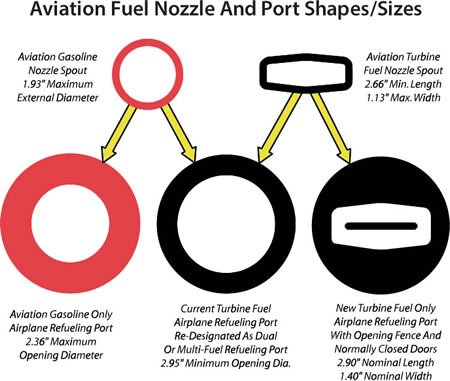
In well-lit hangar and separated into nice clean glass containers, its easy to tell the difference between 100LL aviation gasoline and kerosene-based turbine fuels like Jet A. In the field, not so much: Fuel tanks are dark places, and shining a flashlight onto a liquid rarely helps identify what it is. Draining some fuel into a sampling cup and comparing it to what youre looking for may not help, either, since jet fuel typically is clear (or straw-colored) and may not appreciably change the tint of 100LL.

Read More »

Misfueling

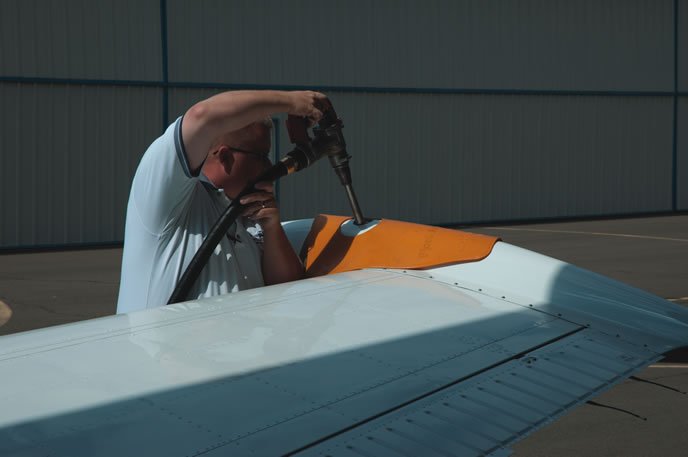
My first ride in a DC-3-way back in the cheap seats-could have been my last. It was the mid-1980s, and the old girl had been outfitted to demonstrate early moving-map technology. The tech was so early, in fact, that a DC-3 was needed to accommodate all the electronics that now fit into a smartphone. To make a long story short, a 30-minute demonstration ride became a lengthier weather- and fuel-related diversion. As the crew and passengers disembarked to stretch our legs before the last leg home, a fuel truck pulled up to add some much-appreciated dinosaur juice. It said Jet A on the side.

Read More »

Analyzing Failure

On October 9, 2013, in Xenia, Ohio, a Piper PA-46-350P Malibu Mirage sustained a nosewheel failure and departed the runway after landing. There were no injuries.

Read More »

Diagnosing A Vibration

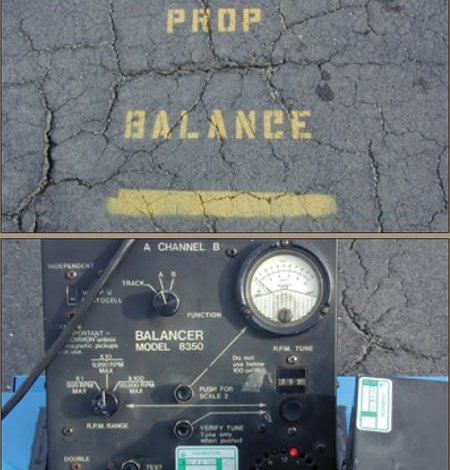
Airplanes vibrate. Airflow on an airframe induces a natural low-level vibration. Engine and propeller operations add their respective notes to this ensemble. Its up to the pilot to be attuned to the subtle differences, whether it occurs in the air or on the ground, though pilots with noise-canceling headsets may be at a slight disadvantage. Listen. Pay attention to how your plane feels. The key is knowing the difference between a good vibration and one that presages impending failure.

Read More »

Of Metal Specifications, Thread Pitch And Torque

A number of years ago, a fellow owner and I both noticed an unusual shimmy in the main gear of our 182 on landing roll out. My first thought was a warped brake rotor, but the vibration didnt seem to be affected by the application of brakes. Hmm. While it didnt seem like a big deal, it wasnt right either, so we had the mechanic take a look.

Read More »

All Stressed Out

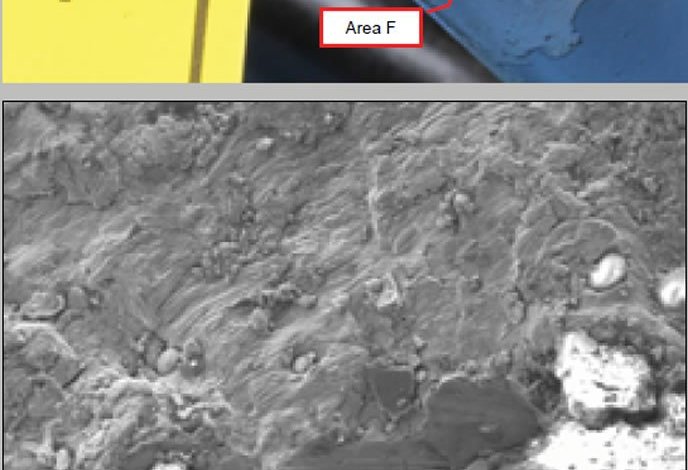
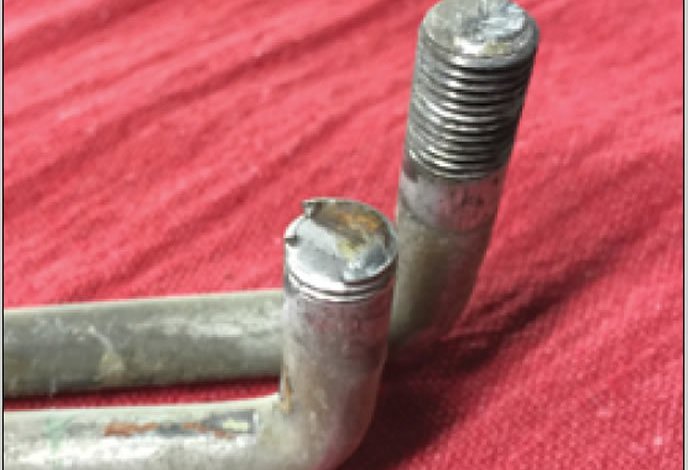
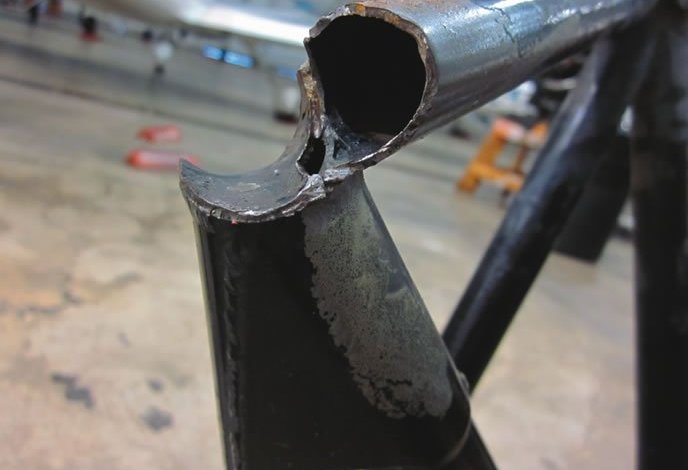
Bolts, screws, rivets and skin-they keep all the parts flying in formation. When they are properly tightened and well fitted, with metal specifications, thread pitches and torques all carefully considered, you and your aircraft parts should land simultaneously. Despite the best care of aircraft designers and mechanics, however, aviation does not always proceed according to expectation. Component failure, the culmination of repeated stresses known as metal fatigue, can mean you and your parts landing in different locations, a situation best avoided.

Read More »
Pilot in aircraft
Sign-up for newsletters & special offers!

Get the latest stories & special offers delivered directly to your inbox.

SUBSCRIBE