Aviation Safety

Im Not That Good

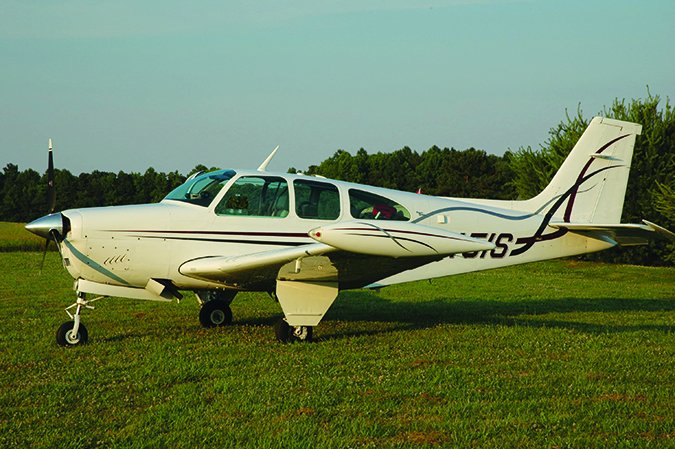
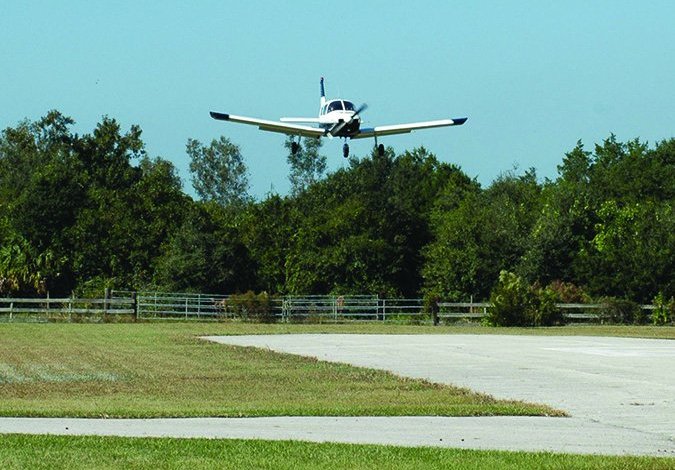
So I got into one of those internet discussions with other pilots about airplane performance. The focus was on a 2100-foot-long grass strip near sea level and how well a Bonanza would handle it. We didnt disagree on the typical Bonanzas ability to get in or out, but I think some people might be a bit more optimistic about such things than I am.
Read More »

Finding The Slot

If you were investigating a runway overrun mishap-to discover precisely what led to the accident for the sole purpose of helping other pilots avoid similar events in the future-where would you focus your attention? What might be the deciding factor? What one thing would have broken the accident chain and prevented the crash?

Read More »

FSFs Recommended Elements Of a Stabilized Approach

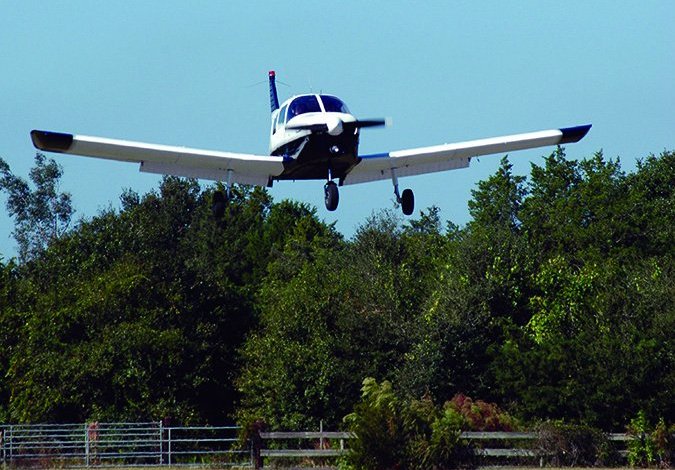
All flights must be stabilized by 1000 feet above airport elevation in instrument meteorological conditions (IMC) and by 500 feet above airport elevation in visual meteorological conditions (VMC). An approach is stabilized when all of the following criteria are met: 1. The aircraft is on the correct flight path; [IMGCAP(1)] 2. Only small changes in heading/pitch are required to maintain the correct flight path; 3. The aircraft speed is not more than VREF + 20 knots indicated airspeed and…

Read More »

To File, Or Not To File

At the beginning of the first leg, one of my pilot-rated passengers expressed surprise that I went to the trouble to plan and file IFR, especially because the weather was so good. But by the end of the day, he seemed convinced I made the right decision to file IFR, not because the weather caved but because it simplified dealing with relatively complex airspace and lots of VFR traffic.

Read More »

Fly-In Safety Highlighted

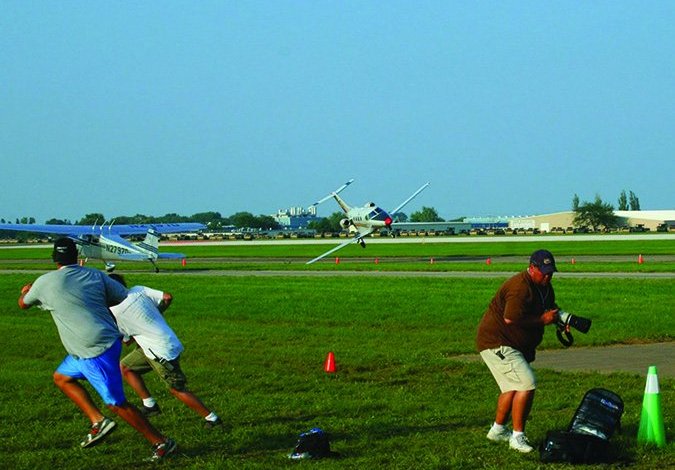
As the summer fly-in season kicked off in the U.S., the NTSB published the latest in its ongoing series of Safety Alerts, with discussions and tips for pilots arriving at fly-in events. Focused primarily on the Sun n Fun and the Experimental Aircraft Associations (EAAs) AirVenture events but applicable to many others, the Boards new advisory (SA-053) emphasizes the unique challenges arrivals at heavily attended fly-ins can present to pilots of all experience levels but especially those who arent prepared.

Read More »

Classic CFIT

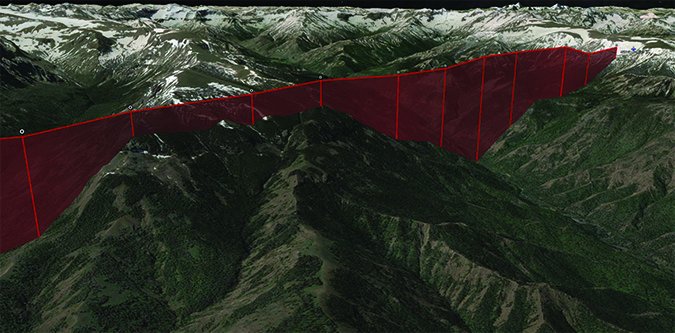
According to the FAAs advisory circular on the subject, controlled flight into terrain (CFIT) occurs when an airworthy aircraft is flown, under the control of a qualified pilot, into terrain (water or obstacles) with inadequate awareness on the part of the pilot of the impending collision.

Read More »

NTSB Reports: May 2016

At 2305 Eastern time, the airplane was substantially damaged during a ditching in the Setauket Harbor. The flight instructor, student and one passenger received minor injuries. One passenger is missing and presumed to be fatally injured at this writing. Night visual conditions prevailed. While cruising at around 2000 feet msl, the engine sputtered. Turning on the electric fuel pump and switching the fuel selector to the left fuel tank stopped the sputtering. The flight chose to divert to an airport 10 nm south.

Read More »

Local Knowledge

If youve ever wanted to see something you wrote appear in an aviation magazine with your name, heres your chance. Each month, this space is devoted to giving readers the opportunity to share with other pilots something theyve learned about flying aircraft. Well always assure anonymity if you want it, but well be happy to put your name on it, also.

Read More »

Filtered

Upon removal, found a two-inch-long piece of material in filter outlet, which appears to be the edge of a gasket. It could only have gotten there when the filter was manufactured. The material would have plugged small oil passages had it moved into the engine as it was on the downstream side of filter.

Read More »

High-Risk Flights

General aviation pilots all too often routinely undertake flights in the face of obvious or hidden hazards. In too many cases, such pilots come to grief because they ignored obvious risks or failed to identify, assess and mitigate subtle risks. The key to addressing these hazards is to do a proper risk assessment, mitigate these risks and then decide whether youre ready to accept the remaining risk.

Read More »
Pilot in aircraft
Sign-up for newsletters & special offers!

Get the latest stories & special offers delivered directly to your inbox.

SUBSCRIBE