Aviation Safety

How We Forget

Everyone occasionally forgets to perform some everyday task such as returning a phone call or depositing a check. But if the task is a flight-critical function, such as putting down the landing gear, surely no competent, conscientious pilot would forget, right? Well, no, even if it is a matter of life and death, pilots sometimes forget. For example, several airline catastrophes have occurred when a cockpit crew attempted to take off, forgetting to set flaps. Airline accidents have also occurred when cockpit crews forgot to lower the landing gear, turn on pitot heat, set hydraulic boost pumps to high, etc. The frequency of such oversights in the airline industry is much higher than the accident rate suggests because in most cases, the oversight is caught by a warning system in time for the crew to correct the situation.

Read More »

The Real Deal?

On the off chance youve forgotten, heres a helpful reminder: ATC privatization is still a thing. Its baked into a bill being considered in the U.S. House of Representatives to reauthorize the FAA. The legislation-or something like it that continues the agencys programs-needs to be enacted by September 30, 2017. Current U.S. Senate legislation to accomplish the same basic task doesnt have ATC privatization in it at this writing.

Read More »

Gadget Addiction

I chuckled reading Mike Hart’s comments on reverting from his in-cockpit gadgets to paper (Addicted To Gadgets? June 2017). I fly my Cirrus with a Garmin Perspective, but just attained my commercial license using a 1967 Piper Arrow II, since I needed a retractable-gear airplane. These good friends keep their planes in top shape, but it was a similar experience to Mike’s 135 challenge. The club has three retracts and I would move between each one until I decided which one to test in. Between the Arrow IV, 172RG and the Arrow II, I finally decided on the II.

Read More »

NTSB Reports: July 2017

At about 0842 Eastern time, the two airplanes were destroyed in an in-flight collision. The airline transport pilot flying the Cessna and the airline transport pilot flying the Grumman were both fatally injured. Visual conditions prevailed.

Read More »

Two Levers Over

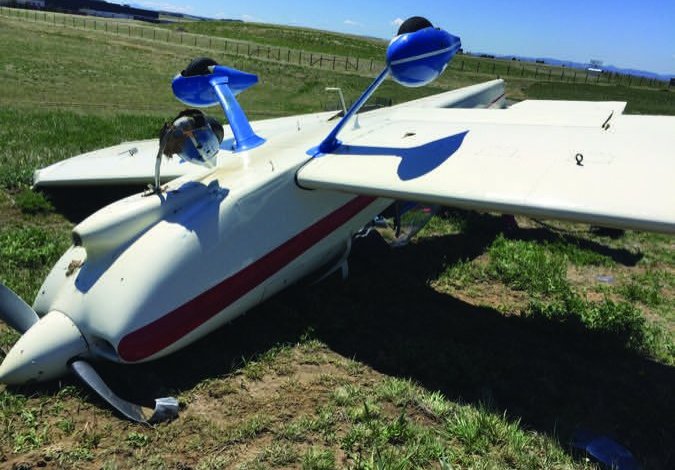
Hanging upside down in a three-point harness certainly gives you a new perspective on flying. Especially if you are on the ground, in the grass, beside the runway. My first thought was unprintable, but my second thought was, How did that just happen?

Read More »

Window Of Opportunity

Engine-out training teaches us to maneuver the airplane to a position from which a more-or-less normal landing can be made on an open surface. Among the elements to this training are that theres a finite amount of time and energy, in the form of altitude, available to get the airplane to the landing area. Maneuver the airplane to a key position abeam the runway at a certain altitude and airspeed, and it will have enough energy to glide to the runway as the pilot manages airspeed and turns.

Read More »

Wheels

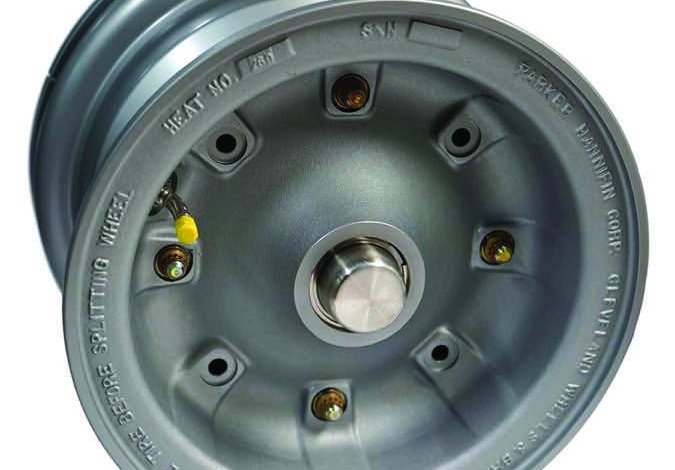
The tailwheel could not be steered during an annual inspection. The tailwheel had been painted; its grease fitting had been completely covered. The owner stated a technician told him not to grease the tailwheel and to tighten the nut on the bottom of the steering pivot bolt as tight as possible. Disassembly revealed all parts inside the tailwheel unit were extremely worn.

Read More »

Smooth Transitions

At some point in your flying career, you likely graduated from your trainer to flying different aircraft. Maybe you gained access to a fleet of aircraft through a club or flight school, an FBO or a Part 135 charter company. Or you moved to light sport aircraft, a plane you built or a plane you bought. Perhaps you stepped up quickly to higher-performance aircraft, those with more horsepower that can swing gear or have two engines.

Read More »

Maintenance Safety

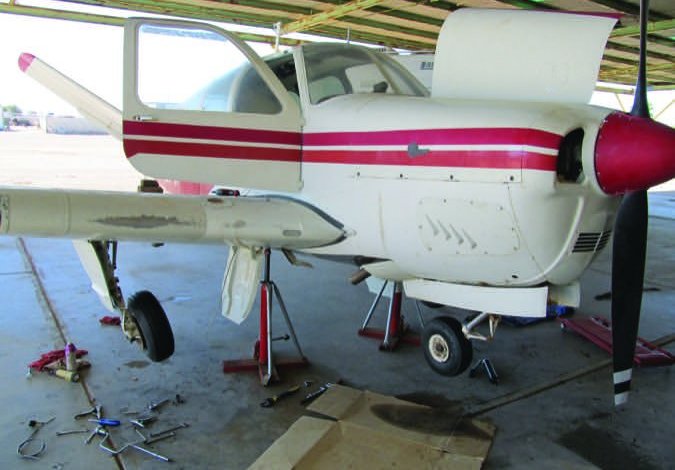
Many of us recognize one of the ingredients to making our flying less risky and safer is good maintenance. At the same time, sometimes we give little thought to ways to make aircraft maintenance itself less risky and safer. The fact is the typical private-pilot-or-better performing preventive maintenance under FAR 43, Annex A doesnt pay enough attention to safety while working on aircraft. Some professionals dont either.

Read More »

More On Pireps

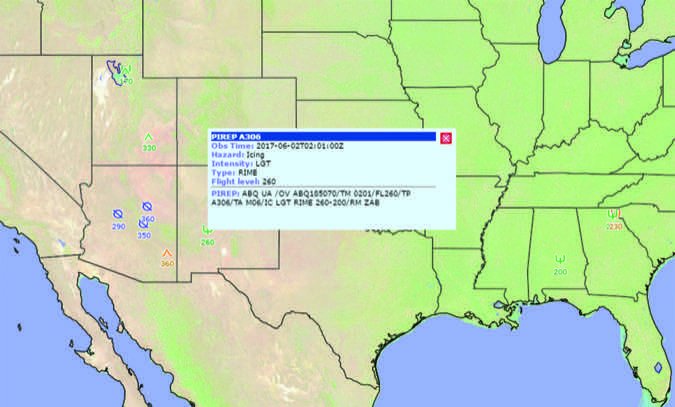
Last month in this space, we reported on a Special Investigative Report (SIR-17/02) from the NTSB, Improving Pilot Weather Report Submission and Dissemination to Benefit Safety in the National Airspace System. Its a 68-page collection of everything thats wrong with the Pireps system. We also highlighted as most interesting one of the NTSBs recommendations: for the FAA to provide a reliable means of electronically accepting pilot weather reports directly from all users.

Read More »
Pilot in aircraft
Sign-up for newsletters & special offers!

Get the latest stories & special offers delivered directly to your inbox.

SUBSCRIBE