Learning Experiences

Fuel Follies

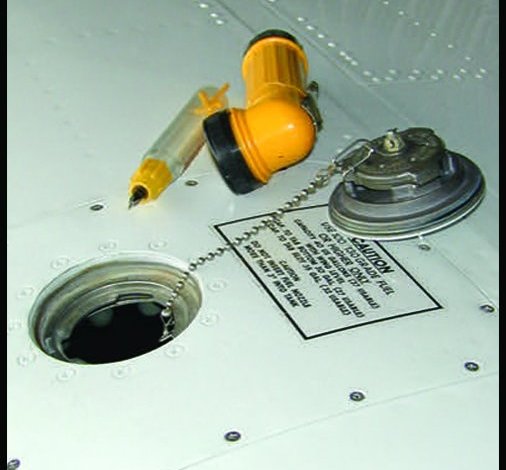
Youre alone in your Lancair Evolution single-engine turboprop. You have just refueled at Chicagos Midway Airport and are headed to Denver, which your computer says is 788 nm away. The weather is good. The flight planning youve accomplished says it will take 3+15 and 121 gallons of the 170 available with the tanks filled. On startup, you reset your fuel totalizer to 170 gallons.
Read More »

Two Levers Over

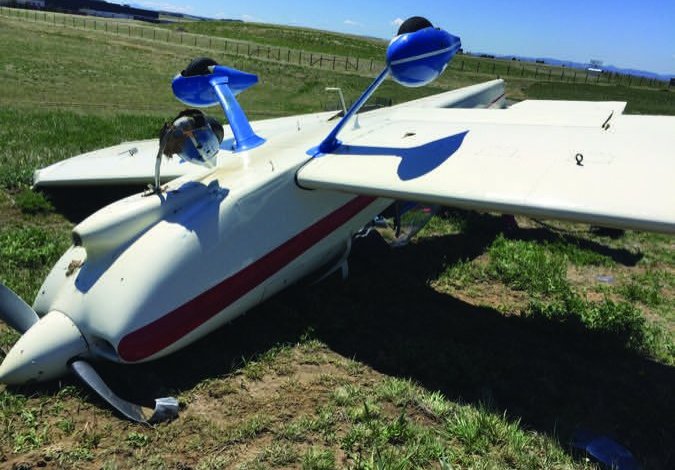
Hanging upside down in a three-point harness certainly gives you a new perspective on flying. Especially if you are on the ground, in the grass, beside the runway. My first thought was unprintable, but my second thought was, How did that just happen?

Read More »

Maintenance Safety

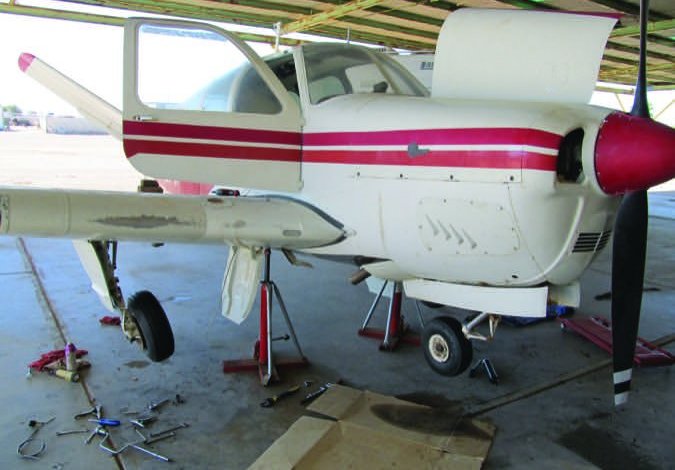
Many of us recognize one of the ingredients to making our flying less risky and safer is good maintenance. At the same time, sometimes we give little thought to ways to make aircraft maintenance itself less risky and safer. The fact is the typical private-pilot-or-better performing preventive maintenance under FAR 43, Annex A doesnt pay enough attention to safety while working on aircraft. Some professionals dont either.

Read More »

BasicMed Goes Live

I found the article on BasicMed (BasicMed Takes Effect, May 2017) very interesting. Im a big promoter of BasicMed and of AMEs doing BasicMed exams. I fully realize the article was written prior to the FAA issuing its final checklist (Form 8700-2), but allow me to share some observations.

Read More »

Humans And Checklists

When I got my private at age 18, I was flying a Cessna 152 off a pasture. It didnt take much to memorize the steps necessary to get the old girl started: I followed the old adage, Kick the tires and light the fires. When the checklist said, Gas on fullest tank, it was pretty easy, since the 152s fuel selector is an on/off affair and always draws from both tanks. In my 18-year-old brain, the checklist seemed like an unnecessary list of the obvious. It either directed me to change the airplanes configuration to what it already was in or change it to one that was patently obvious given the stage of flight. In short, my early experiences did not help me build the best of habits.

Read More »

NTSB Reports: June 2017

While on the base leg for his private grass airstrip, the pilot noticed he was high, so he added flaps to increase his descent rate. On final, the airspeed was a little fast and during the landing, he flared the airplane a little high. After touchdown, the pilot applied the brakes, but the airplane did not respond, so he applied a little more brake. The airplane nosed over and came to rest inverted, sustaining substantial damage to both wings and the empennage. The pilot reported he should have performed a go-around instead of attempting to salvage the landing.

Read More »

Are You Ready For This?

The days mission was a relatively simple out and back to a Class C airport, a couple of hours on the ground, and back to home plate. It was about 45 minutes of flying time each way. Although it was spring in Texas, the same weather would be a nice but humid peak summer day in many locations. White puffies with bases around 3500 feet msl and extending to at least 10,000 were everywhere.

Read More »

Navigating Weather

The relatively inexpensive and ubiquitous availability of in-cockpit Nexrad weather radar has helped minimize the risk of using personal airplanes compared to, say, 30 years ago. But risk and aviation seem to be a zero-sum game, since one result of this technology is that were more likely to get up close and personal with cumulus clouds in all stages of thunderstorm development than ever before. Thats not a good thing, but it is real. Along the way, most of us havent taken to heart the technologys inherent limitations for our purposes, like latency.

Read More »

Disappearing Runway

I was flying out of Boeing Field (KBFI), something I had done hundreds of times before. Tonights flight was to maintain night landing proficiency, so after making landings at a few airports in the area, the adventure started as I returned home in the dark. The wind was from the north, so the active runway was 31L. And because I was making the approach at night, I did what I always do: approach the runway from the north over Elliot Bay. As expected, I was assigned a left pattern to 31L.

Read More »

Finding The Airport

A student pilot in a Cessna 152 was flying from Denton, Texas, to the Ardmore (Okla.) Municipal Airport (KADM). During the trip, he obtained VFR flight following from ATC. At his last checkpoint, he was told Ardmore was at his 12 oclock and 10 miles. The student contacted what he thought was Ardmore Municipal Tower and reported his position. It is unclear from the report, but it appears that he may have entered the wrong frequency.

Read More »
Pilot in aircraft
Sign-up for newsletters & special offers!

Get the latest stories & special offers delivered directly to your inbox.

SUBSCRIBE