










Fly It Like You Stole It?
I am still a student, but after a long time and many obstacles, Im finally getting close to my checkride. Along the way, Ive had a few experiences, one of which started with me basically stealing the airplane.

I am still a student, but after a long time and many obstacles, Im finally getting close to my checkride. Along the way, Ive had a few experiences, one of which started with me basically stealing the airplane.
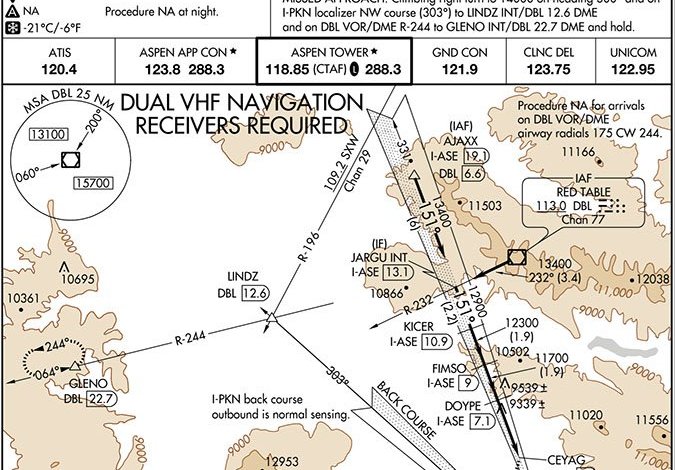
Every instrument approach procedure we fly ends in one of two ways: We either see the runway environment and land, perhaps after circling to align ourselves with a runway, or we dont. When we dont, we fly a missed approach procedure designed to get the aircraft back to a safe altitude and position from which the next steps can be taken. Those next steps can include trying the same approach again, shooting a different one or diverting to a different airport. Its not that hard.
and may cause an aircraft separation standard to be compromised. The area may have a history of surface incidents or the potential for surface incidents. This may be due to any mix of causes: airport geometry; ground traffic flow; markings

Last year, in the final stages of my student helicopter pilot training, I needed to complete the solo requirement of three takeoffs and landings at an airport with an operating control tower. The short cross-country to the towered airport went well. I negotiated with the tower controller to use the airports south helipad, which is near the tower and the approach end of one of the facilitys principal runways. First circuit from and back to the pad was uneventful, two trips to go.
Have you encountered a situation or hazardous condition that yielded lessons on how to better manage the risks involved in flying? Do you have an experience to share with Aviation Safetys readers about an occasion that taught you something significant about ways to conduct safer flight operations? If so, we want to hear about it.

I had settled in for the hour-long flight and was dividing my attention between scanning instruments, looking for traffic and enjoying the view when I heard a distinct “pop. Any unusual sound while flying my Comanche gets my attention right away, so I looked around trying to figure out where the noise came from. All instrument indications were nominal and even with my heightened sense of awareness, I could find nothing. So on I went, telling myself it could have been my imagination.
Catastrophic FailureAugustClassic CFITMayCloak Of InvincibilityDecemberFifteen MilesJuneMinimum EquipmentMarchMissing Flight PlanOctoberMostly MundaneJanuaryRunning The ScudAprilSpin Recovery FailureSeptemberThe Impossible TurnFebruaryToo Much Automation?NovemberUnsecured CargoJuly

In the spring of 1984, I was 23 and a new pilot, with barely 120 hours. While planning a trip that would include my wife and another couple, I called the FBO to ask about the amount of fuel burn on the Piper Warrior I had rented for the flight. I was advised the Warrior burns eight gph in cruise at 9500 feet msl and, with that information, I completed my flight planning and we all met at the airport.
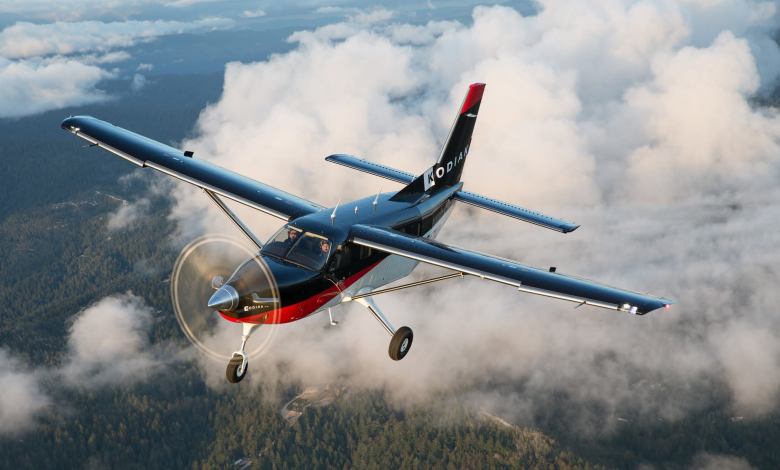
Once I started the engine and made it to the runup area, the Dynon D-180 registered about 10 gallons in the selected right tank (I have a Lycoming O-235-L2C engine installed and typically I burn about 5-6 gallons an hour). I thought it was peculiar, but I attributed the loss of five gallons to starting, taxi and runup. I took off and headed the 30 miles to my practice area.
Have you encountered a situation or hazardous condition that yielded lessons on how to better manage the risks involved in flying? Do you have an experience to share with Aviation Safetys readers about an occasion that taught you something significant about ways to conduct safer flight operations? If so, we want to hear about it. We encourage you to submit a brief (500 words) write-up of your Learning Experience to Aviation Safety for possible publication. Each month, Aviation Safety publishes a collection of similar experiences sent to us by readers. Sharing with others the benefit of your experience and the lessons you learned can be an invaluable aid to other pilots.

Get the latest stories & special offers delivered directly to your inbox.
SUBSCRIBE