Instrument Flying

Making The Low-Vis Takeoff

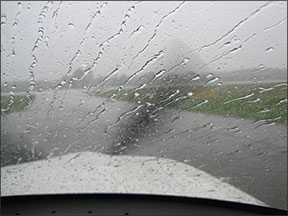
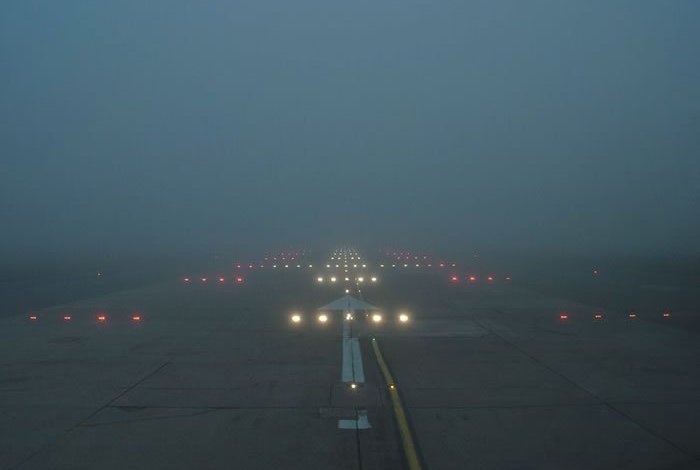
General aviation pilots make IFR takeoffs in reduced visibility and low ceilings on a daily basis. We line up, launch, establish a climb, transition to the gauges and press on with the flight. Assuming there is an approach with adequate minimums at home plate or a nearby airport, were confident we can return and land within about 10 minutes should something go sour. If were in a single and the engine decides to take the day off, our ability to pick out a good landing site is minimal but, hey, thats IFR flight any time the weather is down.

Read More »

Common Holding Errors

Its common for a student with whom Im flying for the first time to ask if he/she needs to fly a full turn around the holding pattern, or if its okay to continue inbound on the approach once intercepting the inbound course. Controllers expect you to continue inbound from the hold entry without flying a complete circuit of the holding pattern. Its not a hard-and-fast rule, but courtesy demands telling controllers you will not continue inbound and will instead circle in the hold if for any reason youre not ready to continue inbound immediately from the hold entry.

Read More »

Illegal Entry?

Of course, some standard operating procedures are always good. The practical test-mandated/real-world recommended method of holding pattern entry is to determine on what heading you will cross the holding fix, then use the 70-degree/180-degree diagram at right to decide whether to make a direct, parallel or teardrop entry into the hold.

Read More »

Holding Checklist

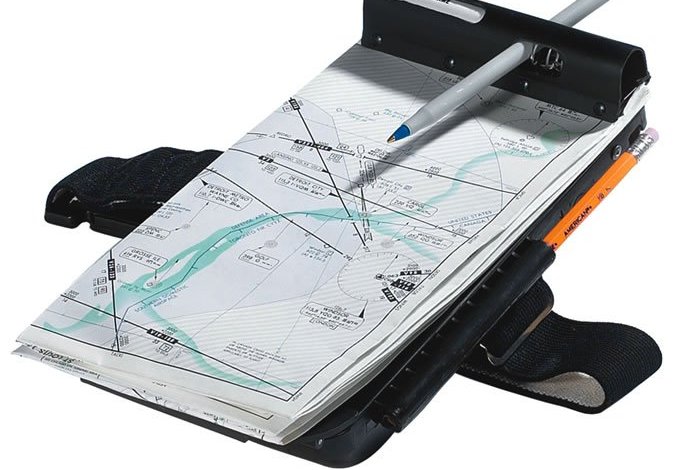
Some of us find it helpful to write down this stuff, and not depend on the magic in our hand or on the panel to figure it out, even if its published. We use to be able to write it on the chart, but nothing beats a pen/pencil and a paper pad.

Read More »

Hold Me, Thrill Me?

You want me to do what? You didnt say it aloud, but you may well have been thinking it when the controller directed, N12345, hold northeast of XYZ on the 050 radial, 20 DME fix, three-mile legs. Expect further clearance at 45 past the hour; time now 20 past the hour. A hold? Who holds anymore?

Read More »

The Ditching Option

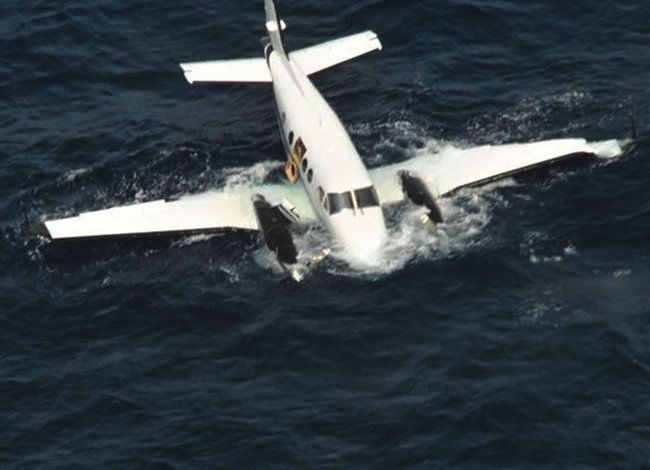
Let’s dispel some myths: Ditching done well is not all that dangerous. My recent ditching was devoid of actual trauma. Most people—about 90 percent—survive a ditching, and those who don’t are usually the ones who did not take basic steps to prepare. Some recent incidents and my own experience demonstrate ditching usually is very survivable and taking a few precautions can greatly enhance the possibility of a favorable outcome.

Read More »

Departure Difficulties

Too often, instrument training can focus only on approaches, those procedures at the end of a flight allowing us to find a runway and land on it. But well before we’re cleared for an approach, we have to take off, climb to altitude and get through the en route system to someplace close to our destination. Sure, approaches are sexy, but other portions of an instrument flight are just as important. Take initial climb and departure, for instance, something at which pilots routinely fail.

Read More »

Which Approach?

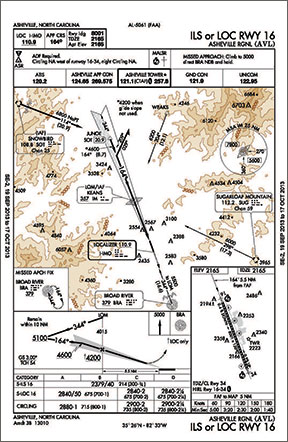
When blessed with a choice of approach procedures at their destination, instrument pilots usually will choose the one providing the lowest minimums, in the belief doing so affords them the best chance to get in. That may be true when the weather is at or below minimums for the airport’s other procedures, but it’s not the only consideration.

Read More »

Departure Procedures

The instrument-rated pilot of a Cessna 182S Skylane received an IFR clearance about 15 minutes prior to departure from Runway 18R. Witnesses reported observing the airplane pass directly over their work site at a very low altitude, about one mile south of the airport. Radar data disclosed that the airplane was airborne for about 1.5 minutes. Following departure, the airplane made a left bank to an easterly heading while gradually increasing its altitude to 1000 feet msl. The last two returns show an altitude of 900 feet msl and a slight change of direction back toward the south.

Read More »

Avoiding Extreme Weather

As anyone who’s paid attention to Central U.S. weather the last few months knows, it’s been a particularly violent spring across “Tornado Alley.” Midwest storms made national news and reintroduced repeat targets—such as Moore, Okla. Well ahead of the storms and far in front of the inevitable miles of destruction images, Americans coast to coast shared ringside seats of the progressing destruction thanks to the coverage of storm chasers who shared real time some of the clearest videos and still images ever made of in-progress tornadoes. Most images came from a large contingent of ground-pounders but, more than ever before, much of the resulting imagery was captured through the efforts of people aboard aerial platforms, whether helicopter or fixed-wing.

Read More »
Pilot in aircraft
Sign-up for newsletters & special offers!

Get the latest stories & special offers delivered directly to your inbox.

SUBSCRIBE