Instrument Flying

Entry-Level Travel

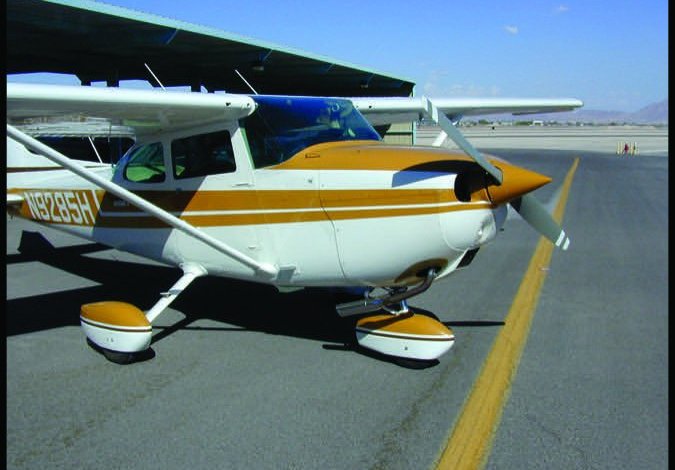
The problem with an airplane like that is you cant really use it for travel, said a pilot looking out the FBO window at a Cherokee 140 sitting on the ramp. That pilot was saying that an entry-level airplane-think two or four seats, fixed gear and no more than 160 hp-cant go places. Show me where it says that. Its hard to imagine Charles Lindbergh shrugging off the Ryan NYP because it barely made 110…
Read More »

Soaring School

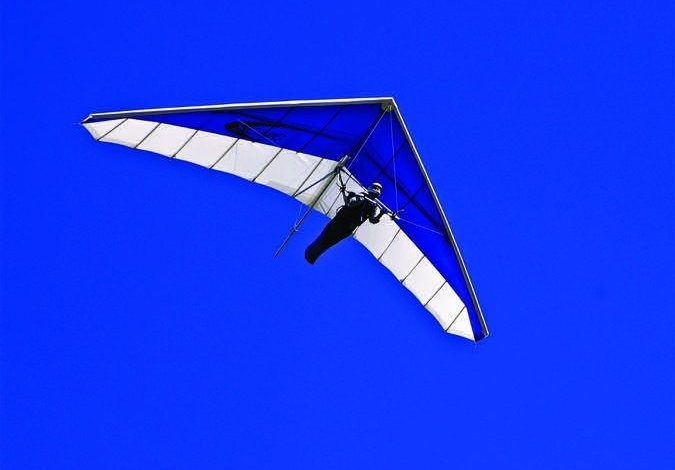
The first years and hours I spent aloft werent really loggable toward an FAA pilot certificate. Thats because I was doing it from a hang glider, jumping off the side of a mountain, wearing a helmet and strapped to a wing. I was the landing gear. It was more of a sport than a form of transportation, but that early exposure to flight taught some lessons that were easily transferred to powered airplanes. I went on to earn my private and an instrument rating, and have flown some interesting airplanes along the way.

Read More »

Download the Full July 2017 Issue PDF

First, its important to distinguish between fees an airport may levy and those of the FBO use of its facilities. Airports often levy their own fees but depend on the FBO to collect them. To pilots, this can be a distinction without a difference, and the FBO can come off as the bad guy. Meanwhile, pilots need to know before they land how much they should expect to pay for the privilege of using the airports and FBOs facilities, especially if its a single-FBO monopoly. They also should have the option of paying a minimal fee for minimal service. So, two things should happen, in my view.

Read More »

Addicted To Gadgets?

When the curriculum gets around to risk-management topics, one of the hazardous attitudes we learn about in ground school is invulnerability. The thing is this trait isnt necessarily about feeling as if we ourselves are bulletproof, but rather the notion that bad things happen to people other than ourselves. I have been a victim of this more than once. Dont worry-no sheet metal was bent.

Read More »

NTSB Reports: June 2017

While on the base leg for his private grass airstrip, the pilot noticed he was high, so he added flaps to increase his descent rate. On final, the airspeed was a little fast and during the landing, he flared the airplane a little high. After touchdown, the pilot applied the brakes, but the airplane did not respond, so he applied a little more brake. The airplane nosed over and came to rest inverted, sustaining substantial damage to both wings and the empennage. The pilot reported he should have performed a go-around instead of attempting to salvage the landing.

Read More »

Flight Following, Part II

I was motoring home from New Orleans a couple of months ago, sliding eastbound along the shoreline, IFR at 9000 feet. After a controller gave me a frequency change for the next controller, I switched over and listened, which I always do when coming onto a new frequency. The first transmission I heard was a pilot saying something like …and we have four hours of fuel aboard. Hmmm. In my experience, its rare for anyone to talk about their fuel availability on an ATC frequency unless theres an emergency in progress and ATC wants to know souls and endurance.

Read More »

Drone Sightings Update

The FAA in late February released an updated list of reports detailing sightings of unmanned aircraft systems, or drones. The sightings were reported by pilots, air traffic controllers, law enforcement personnel and citizens concerned the drones posed the threat of potential collisions or other encounters with the drones. The latest data covers February through September 2016, and includes a sharp increase-1274 new reports compared with 874 for the same period in 2015.

Read More »

Missing the Miss

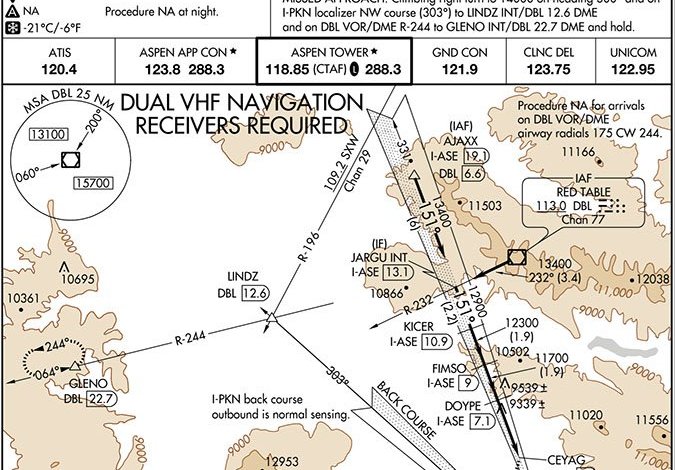
Every instrument approach procedure we fly ends in one of two ways: We either see the runway environment and land, perhaps after circling to align ourselves with a runway, or we dont. When we dont, we fly a missed approach procedure designed to get the aircraft back to a safe altitude and position from which the next steps can be taken. Those next steps can include trying the same approach again, shooting a different one or diverting to a different airport. Its not that hard.

Read More »

When ATC Screws Up

On December 16, 2016, shortly after takeoff at 0119 local time, an EVA Air Boeing 777-300ER apparently came well within 1000 vertical feet of mountainous terrain after departing the Los Angeles (Calif.) International Airport (KLAX). While a formal investigation reportedly is underway at the FAA and the carrier, unofficial transcripts and aircraft tracking data make it clear this event was a very near thing. The publicly available information depicts confusion and uncertainty in the 777s cockpit. It also suggests non-standard phraseology on ATCs part may have contributed to the event. The sidebar on the opposite page explores it a bit more, based on unoffocial sources.

Read More »

Climbing On Top

The day of my departure, I had one good sign. The area forecast predicted tops at between 12,000-14,000 feet. Thats a familiar forecast for the time of year, and I find it enjoyable to fly over a cotton-like cloud deck. It was also well within my airplanes capability, and I had a four-place oxygen bottle that had been recently topped off. Looking at the satellite data, Metars and TAFs at my destination, it appeared to be clear on the far end of my route.

Read More »
Pilot in aircraft
Sign-up for newsletters & special offers!

Get the latest stories & special offers delivered directly to your inbox.

SUBSCRIBE