Features

Running Dry

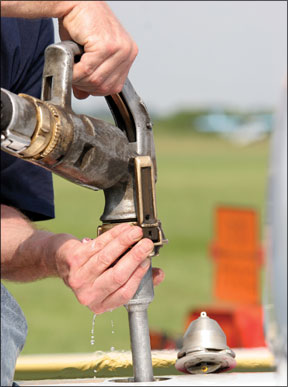
Some time ago there was an Internet debate on running a tank dry. Each side had some valid arguments and thought the opposing view was absurd. Debates are like that. One side was convinced airplanes would be falling out of the sky if pilots starting running tanks dry, then switching to one with fuel in it. The other side felt that airplanes would be falling out of the sky if pilots didnt run a tank dry, if for no other reason than to verify capacity. As such arguments go, both sides were right. And wrong. But both sides agreed on a central point: Theres no substitute for thorough knowledge and understanding of your airplanes fuel system. With that goal in mind, lets set aside the other arguments for a moment, take a look at what goes into fuel systems and what we as pilots should know about them.
Read More »

Miss Opportunity Approaches

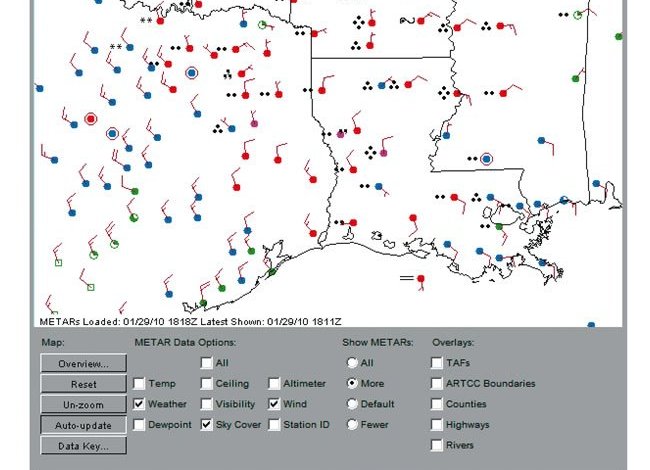
Im either lucky or I dont fly enough: In more than 30 years of flying airplanes for personal transportation, Ive had to execute a for-real missed approach in IMC exactly twice. On both occasions, weather was the main culprit. At least thats my excuse. Both flights ended after a successful ILS approach. Of course, those two occasions dont include the trips I delayed or didnt make for weather-related reasons. In more than one instance, Ive waited out weather but still arrived at my destination before I had to be there. Theres no real secret to this kind of reliable personal-airplane use. Its a fairly simple matter of planning, keeping open as many options as possible, knowing what the options are and then-when its necessary-making the decision to execute the appropriate plan.

Read More »

Saving The Cessna Caravan

Theres virtually no substitute for Cessnas Model 208 Caravan as an economical, high-volume utility airplane. Thats why it was a shock to the industry when the FAA considered revoking the Caravans “known ice” certification. After becoming indispensable as a small-package workhorse and charter/backcountry passenger transport, a terrible trend began to develop: Caravans were crashing after encountering icing conditions. The FAA threatened to pull the 208s certification for flight in icing unless industry figured out how to reverse the trend. Somebody had to save the Caravan. What operators, Cessna and the FAA did may change the way we all think about icing certification.

Read More »

Flying On-Top of The CloudsTips

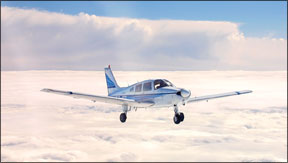
I love clouds; I always have, even as a child. When I learned to fly, I came to understand what they could tell me-as well as what they could do to me. Then, as I earned the thin suit of armor we call an instrument rating, I could not only look upon clouds from my new perspective, I could get up close and personal with them. Soon, I learned getting above them offered the best of many worlds, including greater visibility, better weather, a smoother ride and more advance notice of challenging weather ahead. But I also learned getting and staying on top of a cloud deck can put you someplace youd rather not be, even with an instrument rating.

Read More »

Undertrained Instrument Rated Pilots

Its relatively commonplace to earn the instrument rating without ever having flown in a cloud. Thankfully, our double-I welcomed our wish for training in as much IMC as we could find. We were fortunate: Other instrument instructors with whom we were familiar at the time refused to provide any training in IMC. The point is a new instrument pilot has no idea what he might be getting himself into in those first few unsupervised hours after earning the rating unless hes seen some IMC and can reliably translate a weather report of 400 overcast and a couple miles visibility into what hell see on the approach.

Read More »

Brake Right

Transforming our elegant aerial machines into land vehicles is arguably the single most difficult aspect of flying. Many flight hours are spent practicing approaches and landings, occasionally followed by smooth deceleration to a safe, controlled stop. Brakes help make this possible, but if you ignore or abuse them they can bite back in a most spiteful way. The brakes in most general aviation airplanes involve relatively simple systems, but theyre not as robust as an automobiles. For one thing, most personal airplanes arent equipped with an anti-lock brake system. For another, automobile brake components are larger, heavier and more powerful. Yet, we often find ourselves in an airplane on or near the ground traveling at highway speeds. And, like so many tasks associated with aviation, theres also a right and wrong way to use an airplanes brakes. Lets start with how to inspect them.

Read More »

Cold Engine Starts

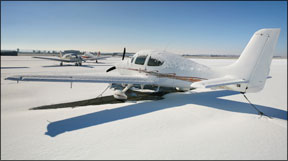
After watching me horse around with a Piper Cub one day years ago, an old timer gave me a stern look and the comment, “Son, that aint a car.” Even in my youth I realized it was a good point that applies to most aspects of aviation, but recently I recognized its wisdom concerning cold-weather starts. Everybody knows that preheating aircraft engines is recommended, but so is exercise and a good diet. You dont preheat your car to drive to the airport, so whats the big deal? One engine is much the same as another, isnt it? Not really. The main difference between automobile engines and airplane engines is the materials they are made of. And the oil they use. And the fuel they use. And the machines they power. And the way they are operated. Okay; just about everything involving airplane engines makes cold-weather preheating important.

Read More »

Blinded By The Night

Returning home from a week-long business trip late on a Sunday evening, you pull into your driveway and realize you forgot to leave on the lights inside your house. You fumble the key into the lock, push the door open and grope the foyer wall until you find the light switch. You know this place intimately by sight during the day, but in the dark it seems oddly unfamiliar. Landing at your home airport at night evokes a similar experience for many pilots, and arriving after dark at an airport youve never visited before can be quite disconcerting. But with thorough planning and the proper training, landing at night doesnt have to feel like stumbling into an amusement park fun house.

Read More »

Underrated

Way back in the Dark Ages, when we were younger and less experienced in airplanes, a buddy and I spent a long holiday weekend huddled in my cold, dark Washington, D.C., apartment waiting on better weather. We had a Piper Archer II reserved for the period, along with a hotel room in Key West, Fla. Try as we might, we couldnt figure out how to get around an area of low ceilings and visibility perched in our path over the Carolinas. Both of us were in the early stages of work on the instrument rating; two half ratings doesnt equal one full rating.

Read More »

Cockpit Noise

As recently as 10 or so years ago, the idea of an aviation headset incorporating active circuitry reducing cockpit noise wasnt commonplace. Earlier, cockpits had become extremely busy, and reaching for a microphone every time ATC called proved to be a major distraction. Finally gone were the days when pilots and crews strained to hear the radio and each other, evoking memories of the takeoff scene from the movie Airplane! Headsets have become such a common-place item that we tend to take them for granted-we dont often pause to think much about the broader implications of an inferior headset. Having recently had the pleasure to test headsets in a laboratory for sister publication Aviation Consumer, I came away with a new-found appreciation for the fssafety benefits a good headset can provide.

Read More »
Pilot in aircraft
Sign-up for newsletters & special offers!

Get the latest stories & special offers delivered directly to your inbox.

SUBSCRIBE