Editor’s Log

Two Guys In A Learjet

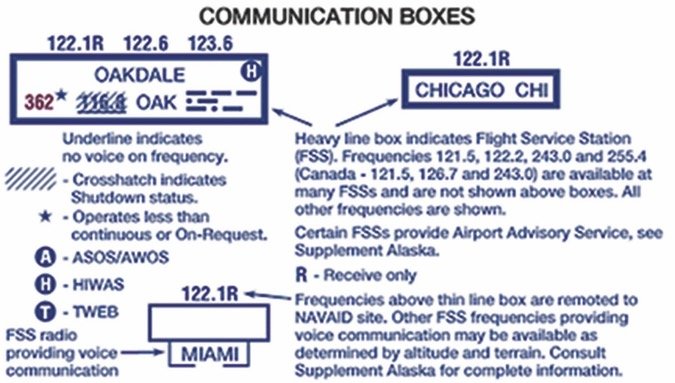
After the usual say again your callsign back and forth, the controller determined there was no flight plan on file. A new voice from the Learjet, probably the captain, asked if he could air-file over the ATC frequency. The controller instead suggested the Lear could file its flight plan over the radio by talking to Flight Service. This is when it got interesting: The Learjet then asked for the Flight Service frequency and a clearance to 17,500 feet. It got even more interesting when ATC suggested calling Flight Service on 122.1 MHz. All of a sudden, here were three blatant examples of poor airmanship and incomplete knowledge.

Read More »

When To Go Visual

I had flown a full day with the new owner of a turbocharged Beech Bonanza, a recently retired airline pilot who also had been a U.S. Air Force tanker pilot. He was IFR proficient from the airline and wanted to focus on visual and hand-flying skills while orienting to his airplanes autopilot and avionics. He did a great job and got markedly more comfortable with the airplane as the day progressed. At the end of the day, I recommended he get more experience with the airplane before going IFR in it. We shook hands and I went to my office to complete my paperwork.

Read More »

ELTs

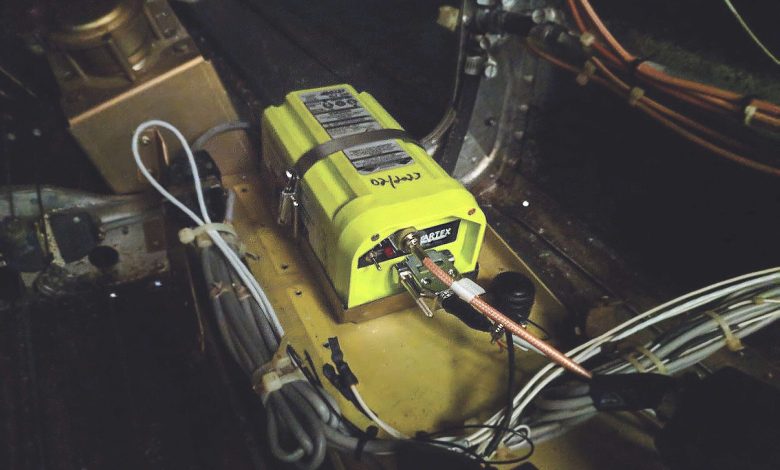
Those first ELTs, produced under FAA technical standard order (TSO) C91, failed to activate in a crash more than 75 percent of the time. When they did activate, according to AOPA, 97 percent of the time it was a false alarm. By 1985, when the FAA revised the standards and came up with TSO-C91a, a lot of the bugs had been worked out, but the ELTs troubled history painted it with a mostly deserved reputation for unreliability. Those earlier devices still meet the FAAs requirement to carry an ELT (see the sidebar on the bottom of the opposite page), but it perhaps is time they were retired in favor of newer technology.

Read More »

Unregulated

When the aircraft is equipped with VR-1010-24-1A regulators allowed by Service Instruction 0766-354, Rev II, the overvoltage testing procedure is not achievable. The solid-state voltage regulators are not adjustable to a range (over 31.5v) that will adequately test the overvoltage relays. During a ground run and adjustment of the new voltage regulators, one failed and caused an overvoltage condition. It is this technicians opinion that the test procedure for the overvoltage relay should be changed to include removing and bench testing the overvoltage relays.

Read More »

NTSB Reports

The pilot-rated passenger later stated he verified that the flaps were down and the three green landing gear lights were illuminated in the cockpit during the approach. Just before landing, he heard the angle of attack indicator alarm. The airplane landed hard, and he heard a loud pop and felt the left main landing gear fracture. The airplane then slid off the left side of the runway, colliding with PAPI lights, and continued sliding until the right wing dug into the ground. The airplane then flipped over and caught fire. The cockpit canopy was jammed, but several observers helped open it and egress the two occupants.

Read More »

Potpourri

By the time you read this, itll be late September or early October. In some regions of the U.S., that means leaves changing color, frost on the pumpkin and winterizing the house, the vehicles and the airplane. In other regions, like where I am, it means shutting off the air conditioning, opening the windows and putting a final close cut on the yard. Cooler, better flying weather, along with some seasonal challenges, likely will confront us all soon.

Read More »

Pothole

The landing was normal, and I took a close look at the left landing gear after shutting down but couldnt find anything amiss. The tire and wheel looked good, and there was no hydraulic fluid seeping from the strut. The brake was secure and had tested fine on the landing, and when taxiing in. There was no damage to the wing, the landing gear door or any other part of the airplane. Not finding anything wrong with the airplane I forgot about it, wondering if I had imagined it. Ultimately, I figured Id hit a dog with the landing gear and, sadly, someone had lost their pet.

Read More »

Bad Yokes

During a scheduled inspection, technicians encountered corroded and bent control yoke boss attachment hardware that proved difficult to remove. After consulting with the manufacturer, the final recommendation was to remove the boss via cutting the bolts (p/n 2315152-33). Manufacturer was able to repair the yoke assembly using SB 31-27-11 and kit 2381602-801. Aircraft had been parked outside without gust locks.

Read More »

Making GA Safety Policy

Recent, similar efforts involving the FAA and the GA community are picking up in tempo. Youve already seen some of the institutional changes: relaxed certification standards for installing advisory angle-of-attack indicators and the new rash of all-electronic attitude indicators, among others, which are designed to help minimize the classic loss-of-control inflight accident. These and other outcomes may be producing tangible results, but its too early to be sure. Regardless, by using a data-driven approach and producing specific safety enhancements, these efforts are creating some useful outcomes for GA pilots. The way this came to be is an example of why you never want to see sausage made.

Read More »
Pilot in aircraft
Sign-up for newsletters & special offers!

Get the latest stories & special offers delivered directly to your inbox.

SUBSCRIBE