Airmanship

Winter Flying Tips

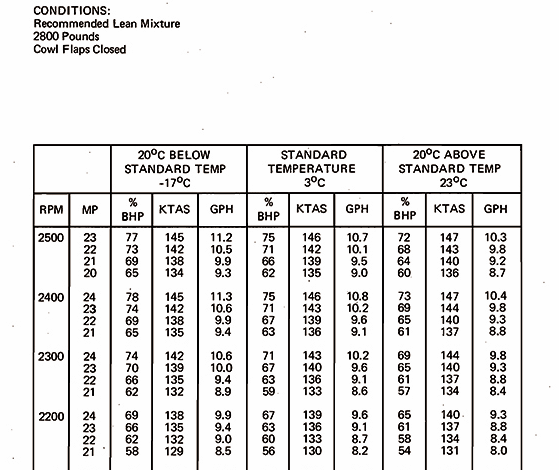
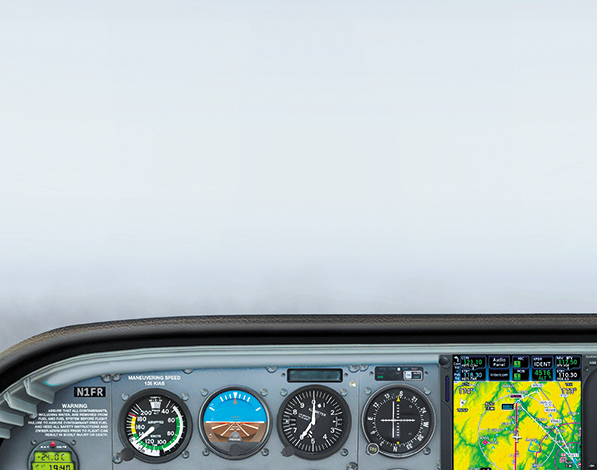
When compared against the opposite extreme—summer—flying in winter has a lot to recommend it. Because the air is cooler and therefore denser, aircraft performance is better. For the same reason—cooler air—flying in winter can be more comfortable than in the summer, thanks to the lack of air conditioning aboard the overwhelming majority of personal aircraft. […]
Read More »

Radar Altimeters And 5G Cellular Interference

If you listened much to the cellular telephone companies talk about the ongoing rollout of 5G performance standards for your devices, you might think it was the best thing since sliced bread, canned beer and kissing on the first date. The FAA isn’t so sure, however, and in early November published a Special Airworthiness Information […]

Read More »

Appropriate Automation

Cessna 12345, the tower is changing runways. Fly heading 040, direct TILLE to join the localizer for the ILS Runway 1R approach.” How many times have you heard something similar, if not for you then for another airplane on the frequency? If we or they are doing it right, the approach to the first runway […]

Read More »

Managing Climbs

It was a moonless night in the valley, with a strong wind behind us from the north. I usually fly single-pilot, but that night I had a new hire, an old friend, with me. He was getting to know a new-to-him airplane. We talked about the terrain and the wind and the runway length, and […]

Read More »

Preventing Gear-Up Landings

I have been around the airport water cooler for two different gear-up landings. The first was either a classic excuse or truly unfortunate set of circumstances. After touching the belly of the aircraft to the pavement without a nice, cushy set of wheels between the two, he hopped out of the airplane and declared that […]

Read More »

As The Pro Flies?

Commercial air travel is by far the safest mode of modern transportation. General aviation, however, is not as safe. Many factors have improved both categories’ safety records over the years, but procedures and policies established by regulators/industry and implemented by commercial operators have been wildly succesful. These policies and procedures have been introduced over the […]

Read More »

‘Unable, Say Intentions’

How many times have you heard ATC say something like the above? What was your response? I bet the first reaction to such a statement was disbelief, followed by a tinge of anger and, finally, acceptance as you worked to come up with a Plan B. Somewhere in that mix of emotions and reactions, there […]

Read More »

AOPA ASI Releases Latest Nall Report

The AOPA Air Safety Institute (AOPA/ASI) recently released the latest in its continuing series of Joseph T. Nall Reports, the 31st. As with last year’s release of two years’ worth of data, AOPA/ASI is publishing the latest report on its web site, which allows it to provide monthly updates as new numbers flow in. As […]

Read More »

Energy Errors

The FAA’s Airplane Flying Handbook (AFH, FAA-H-8083-3C) describes energy management as “the process of planning, monitoring, and controlling altitude and airspeed,” which seems straightforward enough. Using the available tools, primarily pitch and power, we’re expected to attain and maintain “desired vertical flightpath-airspeed profiles, detect, correct and prevent “unintentional altitude-airspeed deviations” and prevent “irreversible deceleration and/or […]

Read More »

Preventing Takeoff Emergencies

One of my fondest memories in aviation was the first flight I took in a Skyhawk. Even though my parents kept a kindergarten assignment where I said my goal in life was to be a pilot (after my career as an astronaut and a monster truck driver), I did not pursue aviation until after my […]

Read More »
Pilot in aircraft
Sign-up for newsletters & special offers!

Get the latest stories & special offers delivered directly to your inbox.

SUBSCRIBE