Airmanship

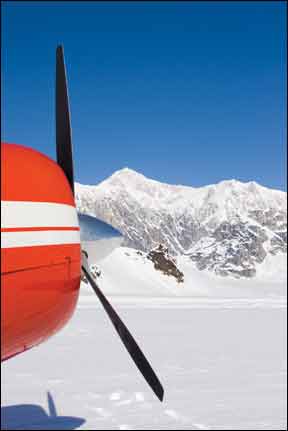
Winter Flying Lessons

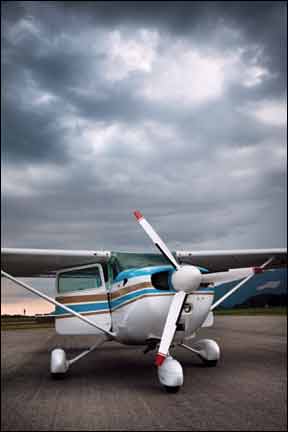
On the off chance you haven’t ventured outside in the last couple of months, it’s winter in the Northern Hemisphere. With it comes, of course, bitter cold in some areas, along with snow, ice, sleet, freezing rain, stiff winds and obscured runways. While winter flying can be some of the most satisfying of all, it’s best to approach this time of year with an open mind, a flexible schedule and warm clothing. And, as with so many other things involving aviation, experience counts.
Read More »

You Are The Judge

The little voice inside the pilot’s head nagged on and on: “Headwinds higher than forecast…groundspeed lower than planned…maybe you should recalculate your fuel?” The simple fact is pilots too often fail to act on their internal voices until it’s too late. Accident reports, NASA ASRS submissions and down-and-dirty, true-flight confessions in hangar flying debriefs tell the sad tale. According to NTSB data and analysis by the AOPA Air Safety Institute and the Flight Safety Foundation, improper decision-making—judgment failings, many of them—underpin the majority of the 75 percent of accidents attributed to “pilot error.” It’s not smart to ignore that little voice questioning why you’re ignoring your own best instincts. There are many scenarios where that little voice can start yammering in your ear, perhaps most especially whether there is sufficient fuel aboard.

Read More »

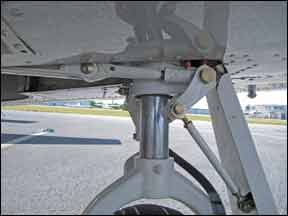
Preflight Inspections

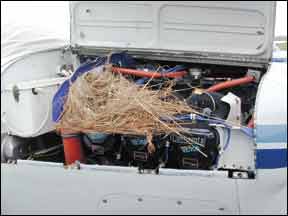
Aircraft manufacturers would have us perform a recommended preflight inspection before every flight. Sometimes, that’s necessary and appropriate, especially when we’re unfamiliar with the airplane, it’s a rental and/or we find something on a cursory examination making us want to dive down deeper into determining whether the airplane really is airworthy. On the other side of the coin, you may want to go far beyond the handbook’s recommendations. One example is when the airplane is just out of the maintenance shop. The trick is knowing how close a look the aircraft really needs One answer is experience, but that’s not something all of us have in abundance.

Read More »

ATC At The Crossroads

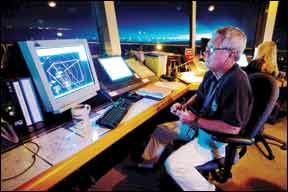
The U.S. air traffic control system is a living, breathing thing, one borne from necessity. As the system has matured, new procedures and technologies have been implemented, and many of those developments have impacted our cockpits. Even so, the men and women who staff the ATC system today perform many of the same basic tasks their predecessors tackled 50 or more years ago. Air traffic continues to grow—the airlines are doing okay, even as GA activity remains relatively flat—so plans are in place for even greater system automation, the Next Generation Air Transportation System, or NextGen. Meanwhile, the controller workforce also is undergoing changes, some of them self-inflicted, but all of them having an impact in our cockpits.

Read More »

Moving (Down) To Light Sport

Are you an experienced pilot with a light sport aircraft (LSA) in your future? For many of us, LSAs answer the need for a lower-cost option as we seek to continue flying even as the expense of doing so keeps rising. For others, an LSA is a way to scale back to the type of flying that attracted them to aviation in the first place. Yet other rated pilots see the medical self-certification of sport pilot rules as a way to keep flying longer, perhaps after becoming ineligible for an FAA medical certificate, while accepting the rules limit us to flying LSAs. Regardless of your motivation, moving from “traditional” airplanes to LSAs may be a little more involved than you’d expect. For example, what are the design and engineering issues that make LSAs handle differently than larger airplanes? What’s the safety record for pilots moving “down” to light sport? And, is there anything we can do to better manage the differences?

Read More »

Using A Flight Director

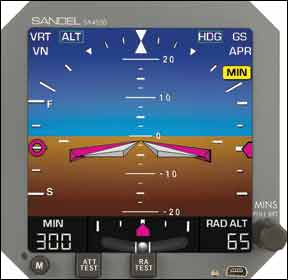
Fly a jet or turboprop airplane and youll consider a flight director to be an essential tool for precision and aircraft control. Turbine-powered airplanes are generally very powerful and slick, so being off as little as a degree in pitch attitude can quickly lead to an altitude bust. Fly a jet up high, where indicated airspeed provides only a small margin above one-G, wings-level stall speed-the so-called “coffin corner”-and a flight director provides the precise guidance you need to keep the wing flying. You may be new to turbines and just becoming acquainted with flight directors. Many of us who fly piston-powered airplanes also have flight directors as integral parts of an autopilot system. But the system isnt well understood by many pilots, especially those not yet fortunate enough to be flying turbine equipment.

Read More »

Summertime Flying

Here in the Northern Hemisphere, were firmly in the season of the bumps, when the suns angle and proximity help contribute to significant swings of weather. Many a high-temperature record fell well before summers “official” entry on June 21, as late spring served up conditions more often associated with the dog days of summer. Pilots debate which season treats them worse, but my vote goes consistently to summer. Confirmation and justification come again and again by way of accident reports detailing how a pilot lost a tussle with the seasons inclement weather.

Read More »

Preflight Lessons

Kick the tires, light the fires.” So goes a popular, flippant saying about preflight inspections. Most of the time, thats what we and various accident reports would label an “inadequate preflight inspection.” Sometimes-immediately after stopping long enough to drop off or load a passenger, for example-it might be adequate. After all, we just flew it in here-its a perfectly good airplane; why bother risking burnt fingers to check the engine oil or soiling our clothes to check tire pressure? Indeed, we dont go to such trouble when getting in a car; why are we conducting an inspection at all? Thats easy: Because despite the overall safety of general aviation, regardless of our comfort with flying and/or with the specific airplane, the hard truth is that airplanes are terribly unforgiving of mechanical imperfection.

Read More »

Flying AOA

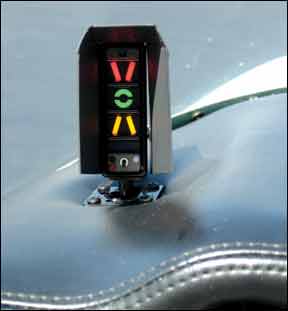
Aerodynamics 101 teaches us about angle of attack and that all wings have a critical one at which they will stall. Afterward, were treated to a discussion about accelerated stalls and how the airplane will enthusiastically stop flying at an airspeed sometimes well above its straight-ahead stalling speed. Were also taught about stall-warning systems and how they are designed to alert us when were approaching that critical angle of attack.

Read More »

Think Outside The Box

In-flight emergencies are rare in the typical personal aircraft; the machines we fly are not all that complicated and theres not much to go wrong. While our primary training covered many contingencies, type-specific knowledge gained through a rental checkout, perusing the POH/AFM and dual instruction from someone with intimate knowledge of the machine-along with the emergency procedures checklist-should get us through all but the most extraordinary problems. Not everything we might encounter aloft can be anticipated and practiced, however. For instance, we never know how well handle an in-flight emergency until we have one for real.

Read More »
Pilot in aircraft
Sign-up for newsletters & special offers!

Get the latest stories & special offers delivered directly to your inbox.

SUBSCRIBE