











Kick the tires, light the fires.” So goes a popular, flippant saying about preflight inspections. Most of the time, thats what we and various accident reports would label an “inadequate preflight inspection.” Sometimes-immediately after stopping long enough to drop off or load a passenger, for example-it might be adequate. After all, we just flew it in here-its a perfectly good airplane; why bother risking burnt fingers to check the engine oil or soiling our clothes to check tire pressure? 288
Preflight Lessons
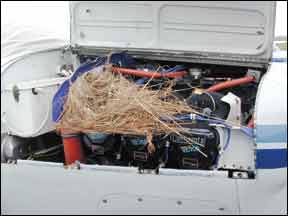
Kick the tires, light the fires." So goes a popular, flippant saying about preflight inspections. Most of the time, thats what we and various accident reports would label an "inadequate preflight inspection." Sometimes-immediately after stopping long enough to drop off or load a passenger, for example-it might be adequate. After all, we just flew it in here-its a perfectly good airplane; why bother risking burnt fingers to check the engine oil or soiling our clothes to check tire pressure? Indeed, we dont go to such trouble when getting in a car; why are we conducting an inspection at all? Thats easy: Because despite the overall safety of general aviation, regardless of our comfort with flying and/or with the specific airplane, the hard truth is that airplanes are terribly unforgiving of mechanical imperfection.

Key Takeaways:
- Thorough preflight inspections are essential for aviation safety, as aircraft are extremely unforgiving of even minor mechanical imperfections.
- Accidents demonstrate that rushing or succumbing to external pressures during a preflight can lead to overlooking critical issues like unsecured components, inoperative systems, or undetected damage, often with fatal consequences.
- Pilots bear the ultimate responsibility for ensuring an aircraft's airworthiness through a focused, objective, and checklist-driven inspection, verifying both the presence and proper functionality of all systems.
Key takeaways sponsored by Aviator Pro | Start Your Training ->
See a mistake? Contact us.

