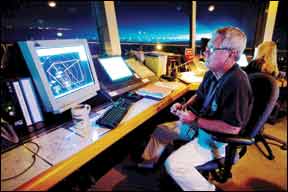
The U.S. air traffic control system is a living, breathing thing, one borne from necessity. As the system has matured, new procedures and technologies have been implemented, and many of those developments have impacted our cockpits. Even so, the men and women who staff the ATC system today perform many of the same basic tasks their predecessors tackled 50 or more years ago. Air traffic continues to grow—the airlines are doing okay, even as GA activity remains relatively flat—so plans are in place for even greater system automation, the Next Generation Air Transportation System, or NextGen. Meanwhile, the controller workforce also is undergoing changes, some of them self-inflicted, but all of them having an impact in our cockpits.
The U.S. air traffic control system is experiencing a significant decline in controller experience due to a large influx of new hires and impending mass retirements, reminiscent of the post-1981 strike era.
This lack of experience leads to perceived safety concerns, non-standard communication, and a decreased understanding of aircraft performance and pilot needs, making flights more challenging.
The National Air Traffic Controllers Association (NATCA) is actively working to address these issues through programs like "NATCA Reloaded" for new controllers, professional standards initiatives, and a re-established "Fly-a-Controller" program.
Pilots are advised to fly defensively, assertively challenge questionable clearances, file safety reports for issues, and consider educating controllers on cockpit realities to enhance safety during this transitional period.
The U.S. air traffic control system is a living, breathing thing, one borne from necessity. As the system has matured, new procedures and technologies have been implemented, and many of those developments have impacted our cockpits. Even so, the men and women who staff the ATC system today perform many of the same basic tasks their predecessors tackled 50 or more years ago.
288
CREATE A FREE ACCOUNT
Sign up to keep reading
Create a free account to continue. Already a member? Sign in below.