Airmanship

In The Valleys Of Good And Evil

As long as you’re not worried about engine failure, the safest altitude is one that keeps you absolutely clear of terrain. The FAA has created a whole suite of acronyms to do this: Minimum sector altitude (MSA), minimum obstacle clearance altitude (MOCA), offroute obstacle clearance altitude (OROCA) are some examples. These acronyms and the numbers that go with them are designed to keep you above the rocks.

Read More »

Is Owning Safer?

Pilots decide to buy their own airplane for a variety of reasons. It could be a business decision, helping ensure coverage of a relatively wide sales area, or perhaps an aerial photography business. Specialized flight training—like acro, or a quicky instrument rating—also can be a reason. Recreation or personal transportation is yet another. One of my major motivations was safety.

Read More »

Navigating The Sim Thicket

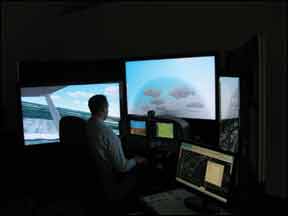
I’ve been teaching people how to fly airplanes for 28 years now, and at this point people tell me I’m pretty good at it. One of the things I learned early on is that the cockpit environment is a horrible classroom in which to teach the basics of flight. It’s noisy, full of distractions, occasionally unpredictable and constantly moving. It should not be a secret to even the newest flight instructor that all of this is a challenge to a typical primary student’s senses. Frankly, any sane human being is scared of it, at first, though few would admit to it.

Read More »

Head In The Game

Pilots of personal aircraft ultimately have all the responsibility to ensure a flight is conducted safely. To help meet our responsibilities to ourselves and our passengers, we need to minimize the outside world’s distractions when we sit down in the cockpit to focus on the task at hand. Different pilots have different ways of focusing, but one common thread is blocking out anything unrelated to ensuring the upcoming flight’s success. That’s a major challenge when we serve as baggage handler, dispatcher, meteorologist and pilot. It’s also a major challenge in the dynamic world of air show pilots. An air show’s sights, sounds and attention-grabbing activities perhaps make it one of the worst places a pilot can be prior to a flight. But pilots about to fly their air show routines have implemented a formal “quiet time,” allowing them to focus on their upcoming flight and get into “the zone” or “the game,” if you will. Here’s how they do it.

Read More »

No Electrics? No Problem!

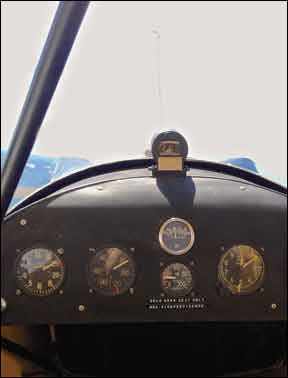
A pilot can learn a great deal by stripping his or her flying down to its fundamental roots. Flying an aircraft without an electrical system puts you in touch with the basics of flying by altimeter, whiskey compass, pilotage and pure stick-and-rudder skills. On the mechanical side, it’s a chance to commune with the engine using only the minimum required instruments. There’s also a certain romance to flying a vintage plane, especially one lacking an electrical system. It harkens back to the barnstorming days when men were real men, women were real women and there was no TSA to verify the difference via pat down. Even in this era of modern instruments, glass panels and gadgets, there’s still room in the skies for a basic plane with minimal systems. Here’s how.

Read More »

Gadget Flight Rules

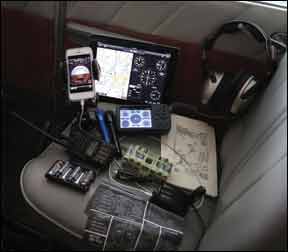
One thing we should have learned during our primary training is to always have an “out” or backup plan for when things don’t go according to plan. On any given flight, I typically have a smart phone with various aviation apps, an iPad with even more, a mounted Garmin 396 and a handheld radio. I would say most pilots have at least one, if not several of the above. Most of the time, everything in the panel works well and I can fumble my way to the destination without too much assistance from the portable devices surrounding me.But every now and then, we need a little “help.” The need can stem from a failed vacuum/pressure system and unreliable gyros, a total or partial electrical failure or simply a single instrument giving erroneous indications. Without going into too many specifics about hardware, brands and apps, let’s step through what it takes for an appropriate portable or handheld device to be a functional backup in your time of need, something I call “gadget flight rules,” or GFR.


Read More »

The Compleat Pilot’s Library

I freely admit to being something of a packrat. Also, I like books. Neither of which qualifies me for an anti-Luddite reality television show, but it does mean I’ve accumulated something of an aviation library over the years. These days, with e-books and pretty much everything you’d want in the way of reference materials easily available on the Innertubez, my having more than a few aviation books laying around has always been a source of amusement for friends and pilots alike.

Read More »

The Compleat Pilot’s Library

I freely admit to being something of a packrat. Also, I like books. Neither of which qualifies me for an anti-Luddite reality television show, but it does mean I’ve accumulated something of an aviation library over the years. These days, with e-books and pretty much everything you’d want in the way of reference materials easily available on the Innertubez, my having more than a few aviation books laying around has always been a source of amusement for friends and pilots alike.

Read More »

Engine Fires

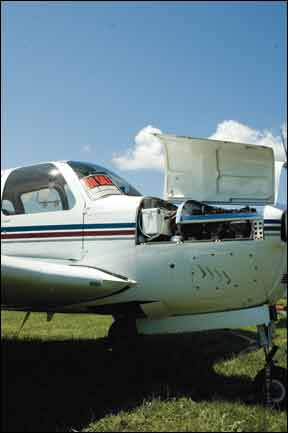
I still have my airplane today. And I’m very lucky I do. After the most recent annual inspection was completed, my aircraft’s induction system caught fire. I found I was woefully unprepared for such an event. If I was unprepared, you probably are, too.

Read More »

The Bold Print

Many emergency checklist items should be reflexive and committed to memory. On the ground, you can roll your own, but never forget flying the airplane is first.

Read More »
Pilot in aircraft
Sign-up for newsletters & special offers!

Get the latest stories & special offers delivered directly to your inbox.

SUBSCRIBE