













Register

The Bold Print

Many emergency checklist items should be reflexive and committed to memory. On the ground, you can roll your own, but never forget flying the airplane is first.

Gemini Sparkle

Key Takeaways:

  • The article introduces the "bold print" concept from military pilot training, distinguishing critical, time-sensitive emergency checklist items that must be memorized from less urgent steps that can be referenced.
  • It highlights that while some manufacturers bold critical steps, many Pilot's Operating Handbooks (POHs) are incomplete, often lacking "common sense" actions or procedures for non-systems emergencies, requiring pilots to identify or create their own critical memory items.
  • Pilots are encouraged to proactively memorize and practice these essential, immediate-action steps through methods like flashcards and cockpit drills, ensuring preparedness to act swiftly and correctly under the stress of an actual in-flight emergency.
See a mistake? Contact us.

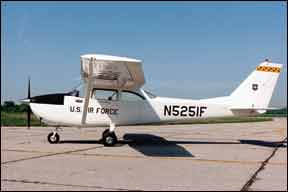
Fishpot Turner!” yelled the voice at the front of the small classroom. Clad in an olive-drab U.S. Air Force flight suit, I sprang to attention from my chair behind a small table. I was one of about 20 pre-solo students in the USAF’s Flight Screening Program—Officer Training: FSPOT, pronounced “fishpot.” We were undergoing initial pilot qualification prior to commissioning as officers in the U.S. Air Force. Our aircraft was the T-41A Mescalero, off-the-shelf 1965 and 1967 model Cessna 172s in stars-and-bars paint flying out of Hondo, Texas.

288


Ready to Sell Your Aircraft?

List your airplane on AircraftForSale.com and reach qualified buyers.

List Your Aircraft
AircraftForSale Logo | FLYING Logo
Pilot in aircraft
Sign-up for newsletters & special offers!

Get the latest stories & special offers delivered directly to your inbox.

SUBSCRIBE