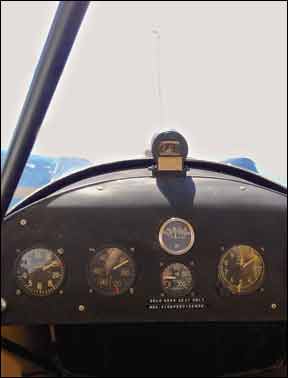
A pilot can learn a great deal by stripping his or her flying down to its fundamental roots. Flying an aircraft without an electrical system puts you in touch with the basics of flying by altimeter, whiskey compass, pilotage and pure stick-and-rudder skills. On the mechanical side, it’s a chance to commune with the engine using only the minimum required instruments. There’s also a certain romance to flying a vintage plane, especially one lacking an electrical system. It harkens back to the barnstorming days when men were real men, women were real women and there was no TSA to verify the difference via pat down. Even in this era of modern instruments, glass panels and gadgets, there’s still room in the skies for a basic plane with minimal systems. Here’s how.
Flying an aircraft without an electrical system (Nordo operations) emphasizes fundamental stick-and-rudder skills, basic instrumentation, and a return to aviation's core principles.
Nordo flying necessitates heightened pilot vigilance for safety, including defensive "see-and-avoid" techniques, strategic use of handheld radios, and acute awareness of unique risks like "moose stalls" and low-altitude hazards.
Pilots engaging in Nordo operations benefit from specific regulatory exemptions regarding transponders and can enter controlled airspace with prior ATC permission, but must maintain strict situational awareness without electronic aids.
A pilot can learn a great deal by stripping his or her flying down to its fundamental roots. Flying an aircraft without an electrical system puts you in touch with the basics of flying by altimeter, whiskey compass, pilotage and pure stick-and-rudder skills. On the mechanical side, it’s a chance to commune with the engine using only the minimum required instruments.
288
CREATE A FREE ACCOUNT
Sign up to keep reading
Create a free account to continue. Already a member? Sign in below.