Airmanship

Stop Scaring Your Passengers

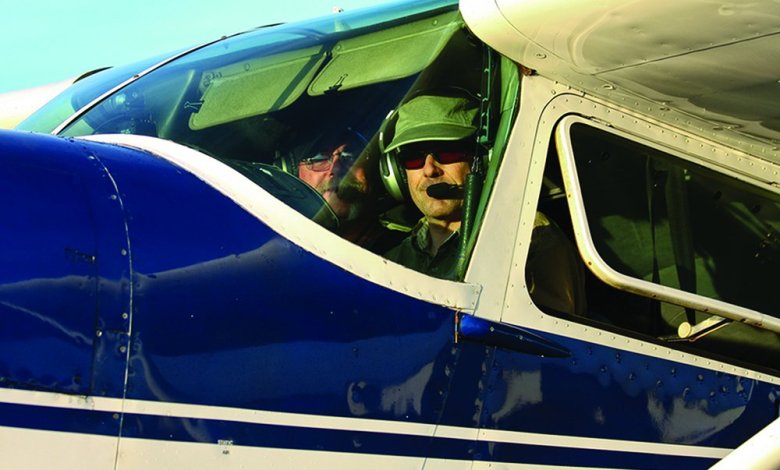
One of the more common complaints heard when pilots gather is that someones spouse and kids wont fly with them or dont like flying in little airplanes. The person issuing the lament insists he (its almost invariably he) cant figure out why. Often the reason is he has scared the bejabbers out of his family members at least once and has displayed absolute cluelessness when it comes to making the flight an enjoyable experience.
Read More »

Privatize ATC?

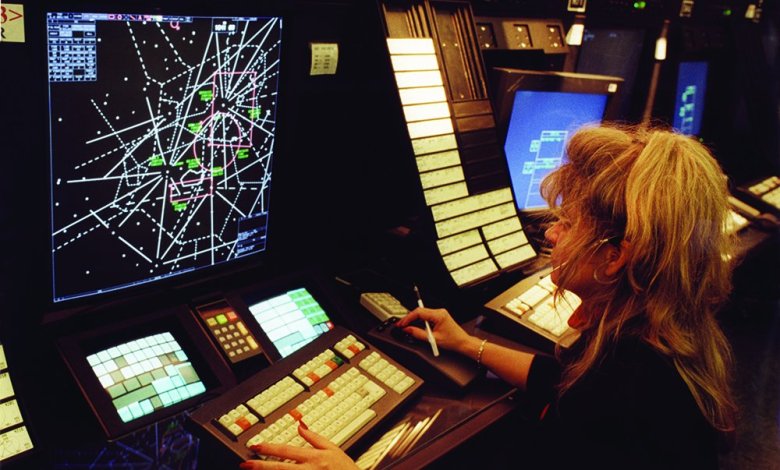
Decades ago, when commercial air transportation was first, umm, getting off the ground, it soon became apparent some way to sort and separate the growing amount of traffic was necessary to keep them from swapping paint. The first steps toward a modern air traffic control system were taken before WWII, and the U.S. government quickly began spending money, erecting navigational aids, creating airways and developing procedures to ensure the steady demand for more air travel would not be impeded.

Read More »

Are Two Pilots Better Than One?

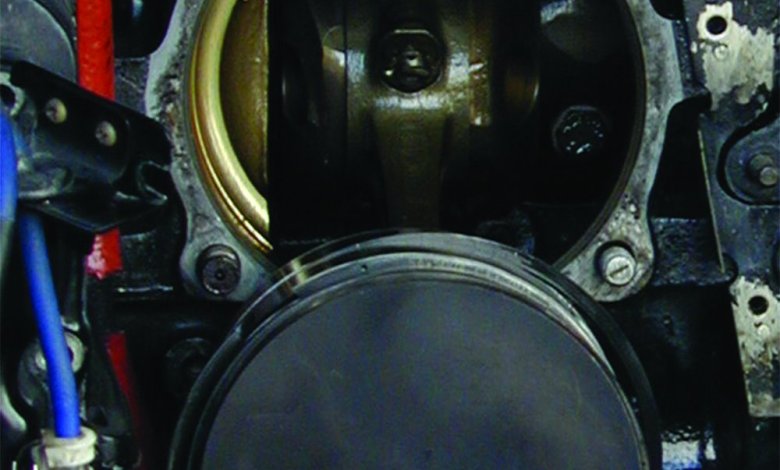
The days mission was to coach a friend of mine through his three bangs-and-goes using another friends Cessna 172. Although he had little time, if any, in Cessnas, he was in the left seat. I was serving as PIC from the right. Shortly after we secured the cabin and ran the before-start checklist, the mighty 160-hp Lycoming was happily purring away. We were getting ready to call for a taxi clearance when the engine stopped. No cough, no protest, no warning. What did you do? I asked. Nothing, the bang-and-go candidate responded. So we ran the checklist again. When we came to the floor-mounted fuel selector, I asked, How did the fuel selector get turned off? He said, Its not; I turned it to both before starting the engine and havent touched it since. Houston, we found the problem.

Read More »

Keep Your Aircraft Clean

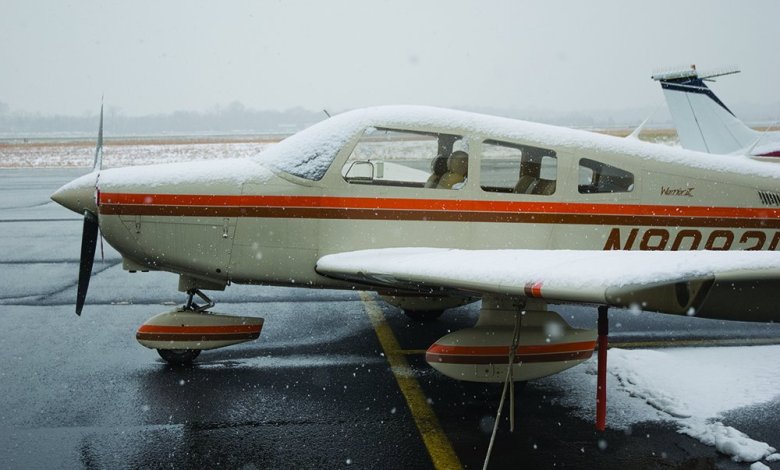
Ice, snow or frost adhering to our wings and other control surfaces add weight and drag, and can change way air flows over and around the airframe, making an otherwise clean air flow dirty. How dirty? Lets drill down a little bit into the underlying aerodynamics of airframe contamination for a better understanding of what the difference between a clean and contaminated airplane can mean.

Read More »

Your Missing Air Traffic

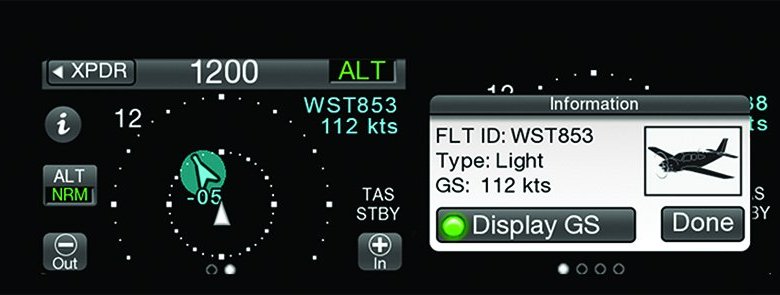
Its not much of a stretch to say that in-cockpit traffic detection technology has never been more prevalent or popular than it is today. From the Boeings and Airbuses required to have a certified TCAS aboard, to the guy or gal banging around in a Cub on a lazy summer afternoon and using the traffic information from ADS-B, its likely some kind of in-cockpit traffic detection technology is available. Theres only one real problem with all of these technologies: theres no way they detect all potential traffic, although some see a more complete traffic picture than others. From that one problem, however, flow two others. The first is the false sense of security even a top-of-the-line system can provide. The second is the extra workload-and especially the additional head-down time-to which pilots are susceptible as they watch the traffic display and not the sky outside the aircraft. But even the best traffic detection and alerting system wont see an aircraft without a transponder, and the traffic information provided via ADS-B has its own set of considerations, which are summarized in the sidebar on the opposite page. Lets take a look at why all this is true.

Read More »

Lessons Relearned: Emergency Aircraft Landing

My wife and I planned a flight to the San Francisco area to attend our eldest granddaughters college graduation. On the morning of departure, I obtained a standard briefing indicating beautiful VFR for the entire flight. We headed to the airport, preflighted the aircraft and loaded our luggage. A smooth takeoff run was followed by a crisp climbout in the cool morning air to our cruising altitude of 9500 feet.

Read More »

My Sport Does Not Assume My Net Worth

If youve been following the general aviation industrys efforts to secure federal legislation deregulating FAA medical certification, you know its been a long, frustrating process (though not nearly as long or frustrating as some of the industrys other legislative efforts). The legislation is S. 571, the Pilots Bill of Rights 2 (PBOR2), introduced in the U.S. Senate by Sen. James Inhofe (R-Okla.). A companion bill, H.R. 1086, was introduced in the U.S. House of Representatives by Rep. Sam Graves (R-Mo.)

Read More »

Continued VFR Into IMC

Continued VFR into IMC accidents have been part of the general aviation accident scene since before I started flying more than 50 years ago. Some headway in reducing these accidents was made when private pilot applicants were required to demonstrate basic instrument proficiency beginning in the early 1960s. Cockpit technology has also improved, with even basic training aircraft equipped for instrument flight and devices such as autopilots and weather data link becoming more prevalent. On the other hand, there is a much higher percentage of high performance aircraft in the general aviation fleet than 50 years ago, and more non-instrument-rated pilots are flying longer distances in higher performance aircraft. As a result, the prevalence of VFR-into-IMC accidents is still very high.

Read More »

Snow on the Runway

Snow that has persisted on the ground for a long time will form crusted layers from wind packing, melting and refreezing. Often the base layer and areas between the crusted layers are hollow. This happens when lighter, fluffy snow consolidates into more dense grain structures. These larger grains, referred to as depth hoar, result from water vapor depositing or desublimating onto existing snow crystals. Granular depth hoar acts like a layer of ball bearings beneath the sheet of frozen crust. Backcountry skiers know this is the stuff avalanches are made of. For pilots, the crusts have a similar catastrophic effect of catching gear or skis resulting in airplanes getting stuck, or worse, getting flipped.

Read More »

Pilot Bill of Rights, Control Riding and Dealing with Drones

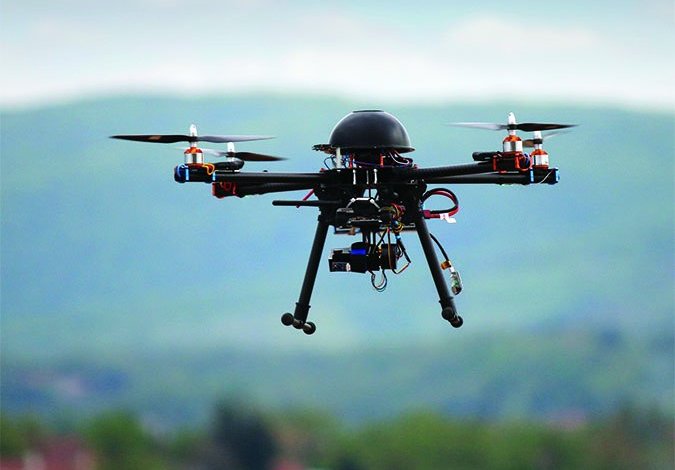
The Air Line Pilots Association (ALPA) on June 23, 2015, wrote U.S. Senators saying it is fundamentally opposed to the dangerous policy shift proposed by the Pilots Bill of Rights II (PBOR2). Reader Martin Brookes writes that every instructor he has flown with couldnt resist adding their control input on landing via subtle, unannounced control inputs to help the student. This is an unfortunately common practice, sometimes called control riding. While its easy to bash the FAA efforts to regulate drones, its important to note Congress in 2012 told the agency to come up with a regulatory scheme allowing UAS operations in the national airspace.

Read More »
Pilot in aircraft
Sign-up for newsletters & special offers!

Get the latest stories & special offers delivered directly to your inbox.

SUBSCRIBE