Download the Full May 2018 Issue PDF
- Sidestepping Storms
- Maximum Flight Reviews
- Tiedown Tales
- Risk Assessment Tools
- Props
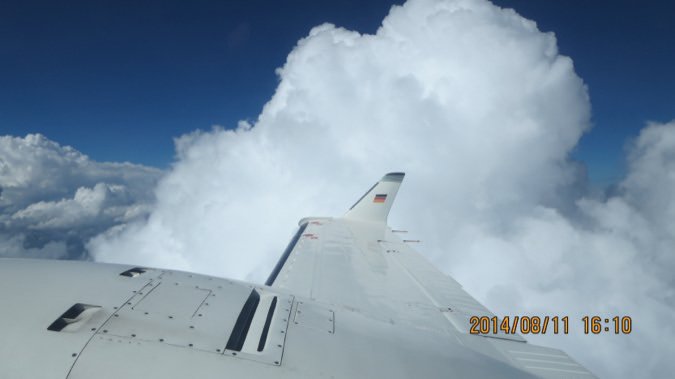
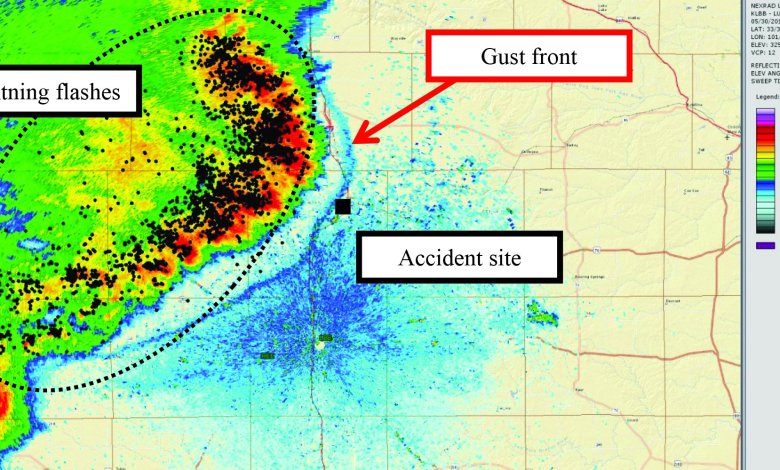
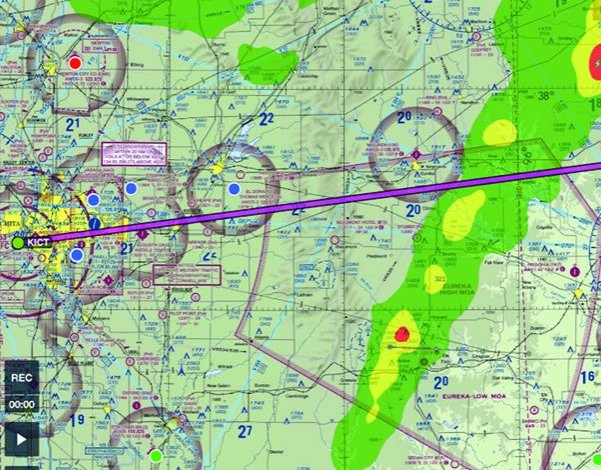
Its a staple of instrument flying: the need to alter your route to avoid weather hazards. Often the obstacle in your path is a building cumulus cloud-a thunderstorm. The good news is that ATC is almost always willing and able to let you maneuver around clouds with extensive vertical development. All you have to do is ask (although sometimes weve seen ATC offer a different route in advance). Before you make the request, however, there are several things you need to consider to safely and successfully maneuver around the threat.
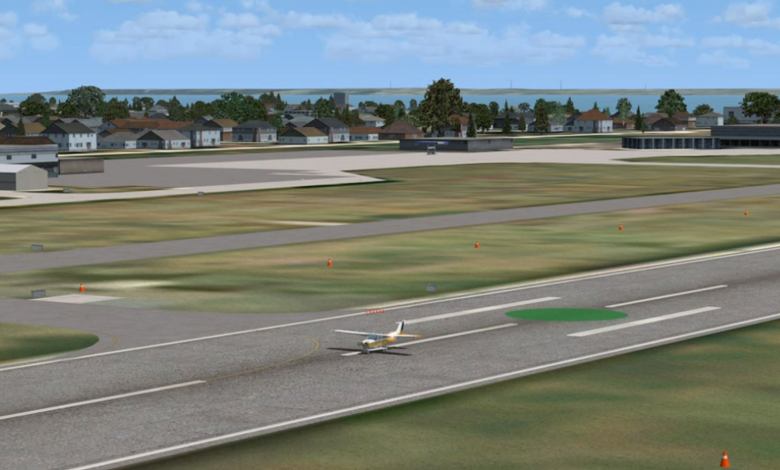
There are many old sayings sprinkled throughout aviation. One of them, Theres no such thing as an emergency takeoff, highlights the fact that deciding to initiate a flight is optional. As pilots, we get to decide many elements of our takeoffs, including whether to perform one in the first place. This is important since there are many unknowns in the first few minutes after a takeoff.
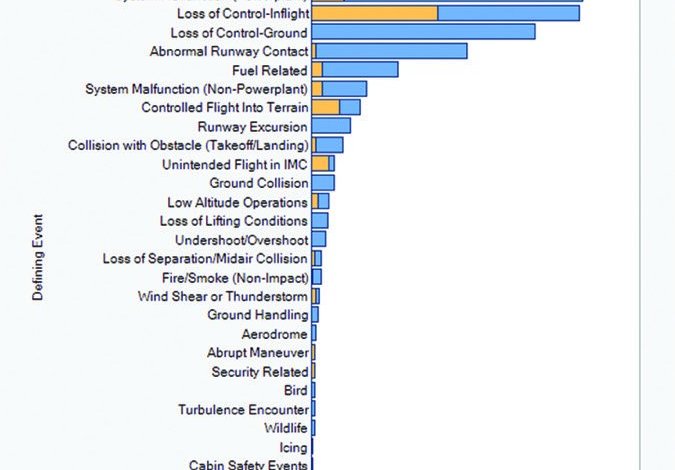
fatal accidents and accident rates. A table from the fact sheet is reproduced above.”
It was a dark and stormy day…seriously. Family issues required me to get to Clark Regional Airport (KJVY) in Jeffersonville, Ind. But the prognoses for the route from Augusta Municipal Airport (3AU) outside of Wichita, Kan., predicted lines of storms scattered across the 600-odd miles.
As the oft-paraphrased aphorism goes, all is well when the ties that bind us are stronger than the stresses that can separate us. The same goes for parking an aircraft. When we properly secure it after a flight, its reasonable to expect itll be there when we return. Once we release the ties that bind it, our aircraft will again provide us with reliable transportation. Most of the time, that is how it works. Other times, just a little inattention and improper securing of the aircraft-or improperly reversing the process during the preflight inspection-can and does lead to accidents.
Last December 24th, a Cessna 340 crashed at Bartow, Fla., during an attempted predawn, IMC departure. All five aboard the airplane died. We dont know yet what factors, if any, beside the weather may have contributed to this Christmas Eve tragedy. Regardless, the circumstances should remind us of the extra planning and skill needed for a departure into low IMC, day or night-even if everything is going right.
For the last few years, my home airport has been a private, paved and lighted strip in a rural area. The pilot-controlled lighting is non-standard, however. For one, the systems intensity is relatively weak. For another, there seem to be fewer runway lights than at most other airports Ive used. And the light fixtures themselves seem located farther from the pavement than Im accustomed. Often, there are few other ground lights in the area to help provide perspective at night. The runway does not have a rotating beacon, only a dimly lit windsock that may or may not tell the truth. There are few obstructions in the area above a couple of hundred feet, although theres a tall tower about five miles north.
The student pilot was doing an engine run prior to flight. Was unable on the first try to complete the magneto check as the key would not turn from the both position to the left/right/off position. After shutdown, the student was able to select off on the switch. The switch that was installed (p/n 103572101) included a push-to-start function. Found the switch sticking internally and replaced it with a new push-to-start switch.