Accident Probes

FAA Inaugurates Runway, Airport Safety Video Series

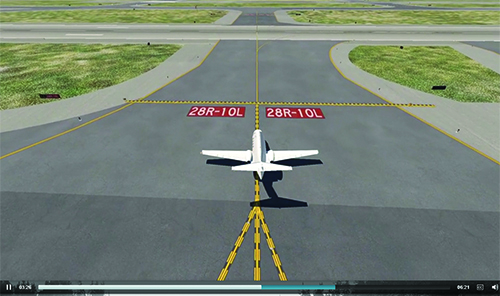
To help reduce the occurrence of wrong surface incidents, runway incursions and other high-risk events at U.S. airports, the FAA has developed its “From the Flight Deck” YouTube video series. The new videos target general aviation audiences with discussions of real-life wrong-surface events and guidance for pilots who may need a refresher. Each four-to-five-minute video […]

Read More »

NTSB Identifies Issues In ATL Trim Incident

On November 6, 2019, the crew of a Republic Airways Embraer EMB-175 regional jet operating a schedule passenger flight under FAR Part 121 declared an emergency shortly after takeoff from the Hartsfield-Jackson Atlanta (Ga.) International Airport. The crew reported a pitch-trim runaway and difficulty controlling the aircraft. Among other details, the jet climbed to around […]

Read More »

Brake Master Cylinders

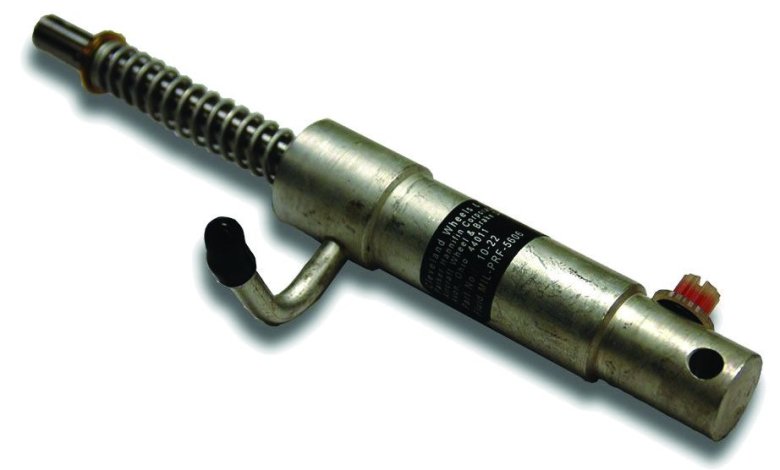
After a brake master cylinder was installed, the technician was unable to bleed the brake system. Fluid pulled from reservoir would return to reservoir through the same line as the internal bypass was not functioning properly. Master cylinder was disassembled and bypass was found stuck and unable to move. Metal shavings were found inside, and an O-ring was torn, with black specks mixed in with the shavings. Part replaced with new master cylinder.

Read More »

Top Ten Tips For Managing Risk

Everyone talks about the weather but no one ever does anything about it. (Stop me if youve heard that before.) The same could be said about managing the risk of general aviation. We-both this magazine and the industry as a whole-spend a lot of time preaching to pilots about the mechanics of understanding weather forecasts, determining if the aircraft is capable, and making honest evaluations of our own performance in considering how and when to conduct a flight. But once we identify the need to mitigate a risk, we sometimes have little space left over to describe the tools we can use. Lets try to fix that.

Read More »

The No-Go Decision

The mission was a simple day trip from my home field in southwest Florida to a familiar destination in north-central Georgia of 407 nm, planned to take 2+30 one-way. Spend a few hours on the ground visiting with an old friend, grab a late lunch, then hop back home later the same day. The airplane was ready and willing. But the weather wasnt cooperating as I wanted. The destination airport offered its own challenges. And while I was instrument-current, I wasnt as proficient with low IFR as I would have liked.

Read More »

Geographic Risks

The Pacific Northwest, for the purposes of this article, includes the states of Washington, Oregon, Idaho, and parts of Montana and Wyoming. Thats a huge hunk of territory and comprises more than 250,000 square miles for Washington, Oregon and Idaho alone. The region includes two major mountain ranges-the Cascades and the Northern Rockies-and many smaller ones, as well as several major river basins. There are major cities in the region, such as Seattle, Portland and Boise, but also thousands of square miles of largely empty land and wilderness.

Read More »

Fresh Out Of The Paint Shop

A few years ago, an engineer, friend and pilot shared a story about retrieving his Cessna 182RG from the paint shop. Before he took the plane out for a run-up and test flight, he asked his even more meticulous engineer-spouse do the preflight. When she did, she discovered something rather important. The bolts and nuts that connected the elevators were just hand-tightened, unsecured by cotter pins. The bolts and nuts securing the primary pitch control surfaces were essentially ready to fall out. Not good. My friend managed a major nuclear facility in Idaho, and he shared the story with his workforce as an example why operators should trust, but verify others work.

Read More »

Negligent Maintenance

Vintage aircraft often have vintage owners. Familiarity being a source of contempt, long-time owners of aircraft seeing little activity may also see little need to perform preventive maintenance or conduct regular inspections. It was just fine when I parked it; what could possibly have broken while it was sitting in a hangar? can be a familiar refrain to pilots who have owned the same airplane for a significant time. After a while, the pilot/owner is so familiar with the aircraft, he or she can tell somethings wrong just by the slipstream noise.

Read More »

NTSB Reports

After overflying the destination runway, the crew made a steeper-than-normal approach to the 3880-foot-long runway due to terrain. According to the captain, a bump was felt near the threshold during the landing but it was not extreme. As the propellers were reversed, the airplane veered to the right. The crew corrected and the airplane tracked straight for about 2000 feet before veering sharply right, exiting the runway and spinning 180 degrees. Inspection of the runway threshold revealed several four-foot-tall piles of rocks and dirt.

Read More »

Over-Water Risks

Its an aviation clich that your single engine goes into automatic rough when crossing any significant body of water. To be sure, any engine problem while beyond gliding distance from land is a critical problem, even if you have more than one. When flying a single, its everything. Another clich is that most of us dont bother to analyze the real risks of overwater flying. Any water crossing of any significance-and wed put the Great Lakes, Hawaii and Bahamas in that basket-should be carefully planned to ensure risks are mitigated to acceptable levels. The thing is, both clichs are true more often than not.

Read More »
Pilot in aircraft
Sign-up for newsletters & special offers!

Get the latest stories & special offers delivered directly to your inbox.

SUBSCRIBE