










BTeter
Monday, November 18, 2024
AI in Avionics
Artificial intelligence is the current darling of high-tech and we’re seeing its influence everywhere. Does artificial intelligence have a place in an airplane?


Artificial intelligence is the current darling of high-tech and we’re seeing its influence everywhere. Does artificial intelligence have a place in an airplane?
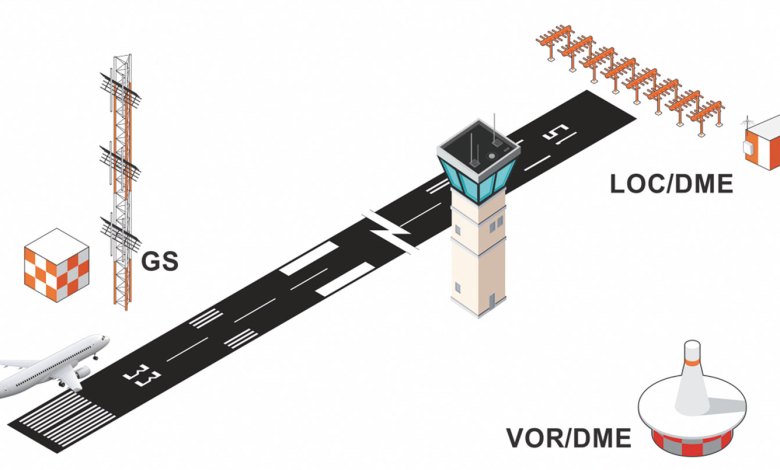
We all know an ILS is a precision approach. But there’s much confusion about whether an RNAV (GPS) approach to LPV minimums is. (Spoiler alert: Sometimes …)
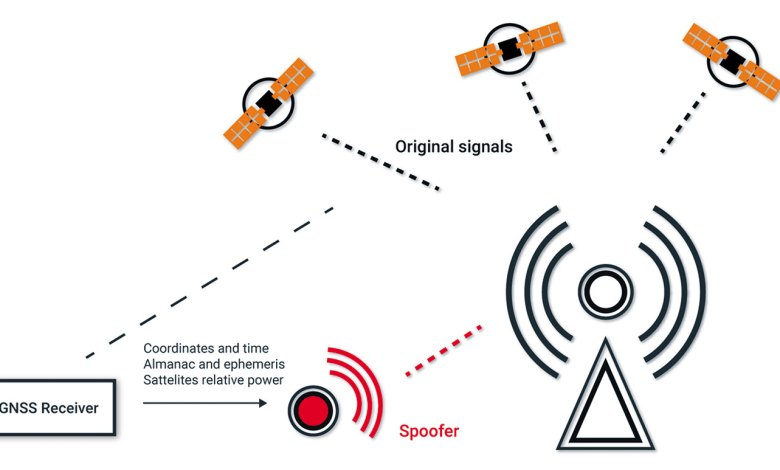
Rarely do we have days without notice of deliberate GPS interference somewhere in the U.S., usually from the military. But that’s only one source of GPS errors.
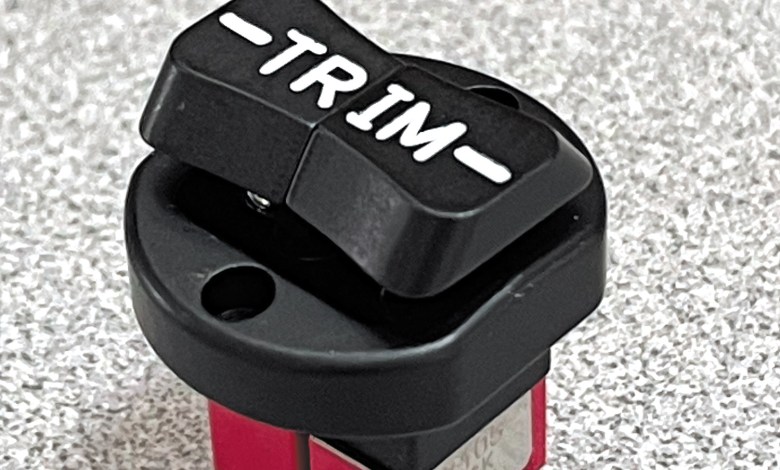
Trim runaway is a serious—occasionally fatal—system malfunction. We look at what causes it and what you can do to handle it.
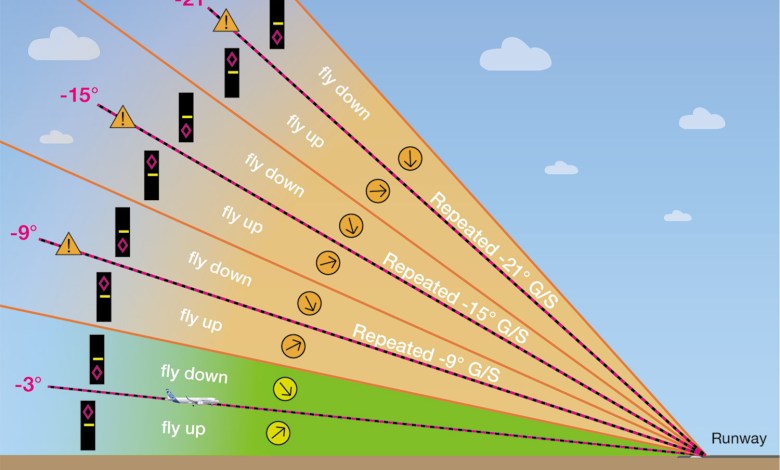
Today’s autopilots can arm for glideslope capture to make life easier. But, it’s possible to intercept a false glideslope if you haven’t managed flight path and autopilot correctly.
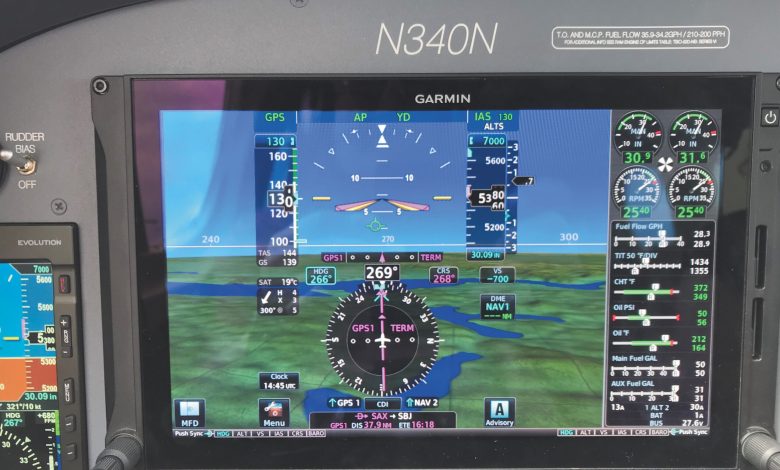
Of all the features of the modern Automatic Flight Control System (AFCS), perhaps the most useful is altitude preselect. It improves safety by reducing altitude busts and deviations. However, it can sometimes get you into trouble on the approach. Background Ever since Lawrence Sperry’s first autopilot in 1914, automatic flight control systems (AFCS) have continued […]
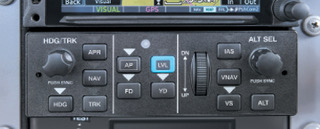
The autopilot interaction with the aircraft’s trim system is a gray area for many pilots. You can easily overpower the autopilot, but overcoming the trim that the autopilot may have run to the stop is another matter. This article will give you background information on how the autopilot trim works, a trim runaway, and how […]

While the Pilot’s Operating Handbook shows VMC for the aircraft, the VMC in flight varies depending on many conditions. It’s similar to the published stall speed vs. the stall speed for your current load factor. Remember, you can stall the aircraft at any airspeed but only at one angle of attack. The same is true […]
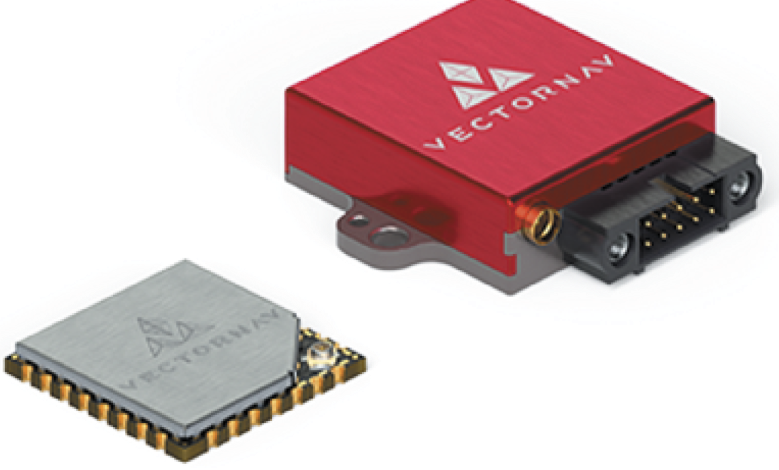
Flight-critical information for IFR flying includes attitude, heading, airspeed, and altitude. Navigation information is high on the needs list but is not as critical as the previous items. The same is true for communications. The criticality generally follows the doctrine of aviate, navigate, and then communicate. Likewise, the FAA system safety analysis (required for equipment […]
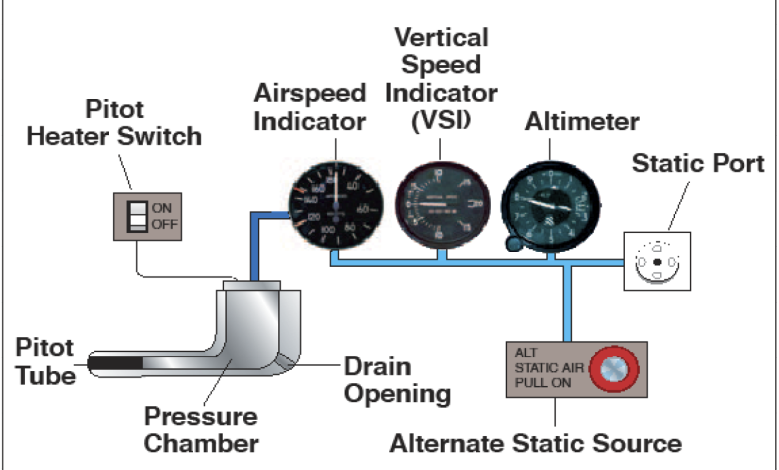
With “steam gauge” round dials, the airspeed reading was mechanically determined inside the airspeed indicator. Likewise, the altimeter had its own independent mechanical movement, and the vertical speed indicator had a similar arrangement. In today’s digitally integrated cockpits, the altitude, airspeed, and vertical speed are developed from solid state sensors inside an air data computer […]