














Air Race Pilots Say Altitude Rules at Reno Have Not Improved Safety

Some competitors and crew members in the final National Championship Air Race at Reno are upset over penalties for flying too high.

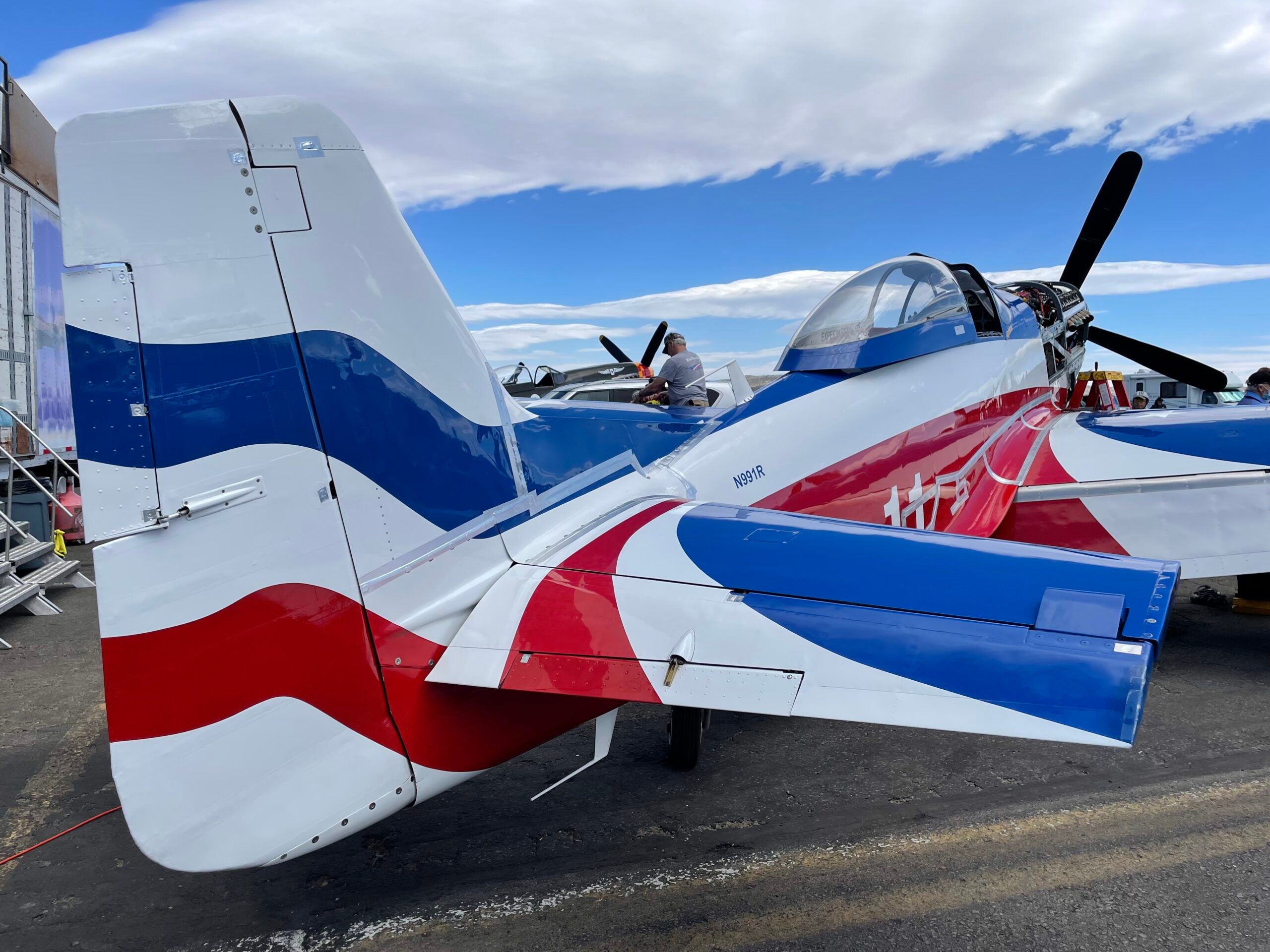
A P-51 Mustang, part of the Unlimited Class, sits on the ramp at the 2021 National Championship Air Races at Reno, Nevada. [FLYING Magazine Archive]
Gemini Sparkle

Key Takeaways:

  • The final National Championship Air Race at Reno/Stead Airport is experiencing significant controversy due to pilots receiving penalties for flying above maximum altitude limits.
  • Pilots such as John Maloney and Brent Hisey were penalized and demoted, sparking widespread frustration over rules implemented after a 2011 crash, which competitors deem restrictive and inconsistently applied.
  • Amidst discussions among pilots about potential walkouts or rule amendments, the issue remained unresolved, with the Reno Air Racing Association's contest committee meeting to consider the objections before Sunday's final races.
See a mistake? Contact us.

Excitement surrounding the last National Championship Air Race event held at Reno/Stead Airport (KRTS) continues to build as the Unlimited Class finals approach. Controversy also rose after officials penalized certain racers for flying too high.

During the last race on Saturday officials said John Maloney, pilot of the Yak-3U Miss Trinidad flew above the maximum allowed altitude on part of the course during the Unlimited Class Heat 3A. The resulting penalty is expected to place Maloney in Sunday’s Unlimited Silver Race instead of the Gold, according to members of Miss Trinidad’s crew.


Altitude regulations instituted by the FAA after the 2011 crash of racer Jimmy Leeward in the P-51 Mustang Galloping Ghost set the maximum racing altitude at 400 feet agl for Unlimited competitors in the Bronze Race, 325 feet in the Silver, and 250 feet in the Gold. Minimum altitude for each race is 50 feet agl.

Some pilots have long criticized the altitude rules for making them feel hemmed-in while flying. Others have called the rules “political” weapons often used to harass competitors and to deny or nullify their victories. Earlier this week Brent Hisey, owner and pilot of the P-51 Miss America, received a penalty for flying too high and was bumped down to a subsequent heat filled with slower aircraft. The penalty essentially forces pilots to race their way back into the competition.

After racing ended on Saturday the pit area buzzed as annoyed as pilots and crew members, annoyed and frustrated, discussed possible strategies to eliminate the maximum altitude rules and even talked about staging a walkout to compel officials to amend the rules or at least develop a system for applying them more consistently.

As of Saturday evening the issue had not been settled and Reno Air Racing Association’s contest committee was meeting to consider the penalty and perhaps the objections.

The final day of racing begins at 7:45 a.m. and the Unlimited Bronze is scheduled for 12:25. Unlimited Silver kicks off at 2:15 p.m. and Gold begins at 4:55. The P-51 Bardahl Special flown by Steven Hinton is favored to win the Gold. The Hawker Sea Fury ‘Dreadnought’ remains sidelined for the final.

Jonathan Welsh

Jonathan Welsh is Lead Editor of Aviation Consumer and a private pilot who worked as a reporter, editor and columnist with the Wall Street Journal for 21 years, mostly covering the auto industry. His passion for aviation began in childhood with balsa-wood gliders his aunt would buy for him at the corner store. Follow Jonathan on Twitter @JonathanWelsh4

Ready to Sell Your Aircraft?

List your airplane on AircraftForSale.com and reach qualified buyers.

List Your Aircraft
AircraftForSale Logo | FLYING Logo
Pilot in aircraft
Sign-up for newsletters & special offers!

Get the latest stories & special offers delivered directly to your inbox.

SUBSCRIBE
