











Theres one undeniable constant in aviation: All accidents eventually terminate by contact with the surface of the planet. We have various ways of describing how that contact occurs, thus the somewhat oxymoronic phrase “controlled flight into terrain,” or CFIT. This category of accident is an attempt to explain the unexplainable: why pilots so often fly perfectly functioning airplanes into the ground, killing themselves and all aboard. However anomalous the concept, the occurrence of CFIT is 288
Why So Many CFITs?
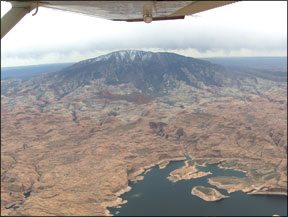
Theres one undeniable constant in aviation: All accidents eventually terminate by contact with the surface of the planet. We have various ways of describing how that contact occurs, thus the somewhat oxymoronic phrase "controlled flight into terrain," or CFIT. This category of accident is an attempt to explain the unexplainable: why pilots so often fly perfectly functioning airplanes into the ground, killing themselves and all aboard. However anomalous the concept, the occurrence of CFIT is anything but. Pilots fly into the ground-terrain, trees, obstacles, water-nearly as often as they stall or lose basic control of the airplane. As we reported in our January 2010 article on the causes of fatal accidents, stalls lead the list, but CFIT is essentially tied for second, along with loss of control.

Key Takeaways:
- Controlled Flight Into Terrain (CFIT) accidents, where fully functional aircraft are flown into the ground or obstacles, are a leading cause of fatal aviation incidents, ranking second overall.
- The most prevalent forms of CFIT include "scud running" (flying in marginal weather conditions), recreational low-altitude flying for thrills, hitting obstacles during departure or arrival phases, and pilots getting trapped in canyons.
- Most CFIT accidents are primarily attributed to a severe lack of pilot judgment and a failure to perceive or respect terrain hazards, commonly affecting non-instrument rated pilots or those unwilling to utilize their instrument flying skills.
Key takeaways sponsored by Aviator Pro | Start Your Training ->
See a mistake? Contact us.

