











This aviation “thing” brings with it the potential for events seemingly designed to test our internal response systems. You know the kind: situations with substantial potential for our adrenal glands to start working overtime. Learning how to deal with these kinds of events is one of the things flight training is all about. The time we spend with an instructor practicing various scenarios-from broken gyros and other useless instruments to no-flap landings and complete engine failure- 288
When The Sparks Stop
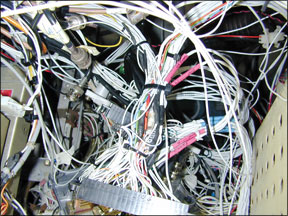
This aviation "thing" brings with it the potential for events seemingly designed to test our internal response systems. You know the kind: situations with substantial potential for our adrenal glands to start working overtime. Learning how to deal with these kinds of events is one of the things flight training is all about. The time we spend with an instructor practicing various scenarios-from broken gyros and other useless instruments to no-flap landings and complete engine failure-teaches us how to combat a number of not-uncommon problems. And, unless were flying a glider, hot-air balloon or powered aircraft lacking an electrical system, the prospect of losing those flowing electrons-especially when in flight conditions where we really, really need them-is one very real prospect.

Key Takeaways:
- Aircraft rely on batteries as a limited standby power source in the event of a generator or alternator failure.
- Pilots must thoroughly understand their aircraft's electrical system, including battery capacity and the power draw of each component, to effectively manage power during an emergency.
- Upon an in-flight electrical failure, pilots should immediately notify ATC and prioritize shedding non-essential electrical loads to conserve power for critical systems.
- Proactive knowledge of the aircraft's electrical capabilities and emergency procedures is essential to mitigate an electrical failure and ensure a safe outcome.
Key takeaways sponsored by Aviator Pro | Start Your Training ->
See a mistake? Contact us.

