
When flying into uncontrolled airports, you rely on other pilots in the area to help avoid midair collisions by following the recommended procedures and communicating intentions on the common traffic advisory frequency (CTAF). Without a controller providing guidance, it is important to follow the recommended arrival and departure procedures to minimize the risks. While radio calls should be kept to a minimum, you should make sure that other pilots know where you are and what your intentions are. Unfortunately there are pilots who make their own rules.
Fly Respectfully
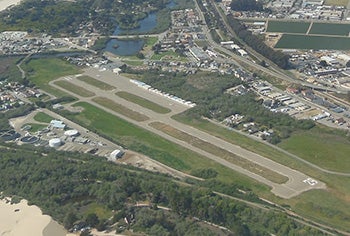
(Photo: Eric Shalov via Wikipedia Creative Commons) Eric Shalov via Wikipedia Creative Commons

Key Takeaways:
- At uncontrolled airports, pilots must follow recommended procedures and communicate intentions on the common traffic advisory frequency (CTAF) to ensure safety and prevent midair collisions, as there is no air traffic control guidance.
- Disregarding standard arrival and departure procedures, as witnessed at Oceano (L52) during a busy fly-in, can create hazardous situations and endanger other aircraft in the pattern or participating in events.
- Respectful flying at uncontrolled airports involves specific actions such as overflying at least 500 feet above pattern altitude for inspection, entering the downwind leg correctly, making short and appropriate radio calls, and being vigilant for pilots who may not be communicating.
Key takeaways sponsored by Aviator Pro | Start Your Training ->
See a mistake? Contact us.