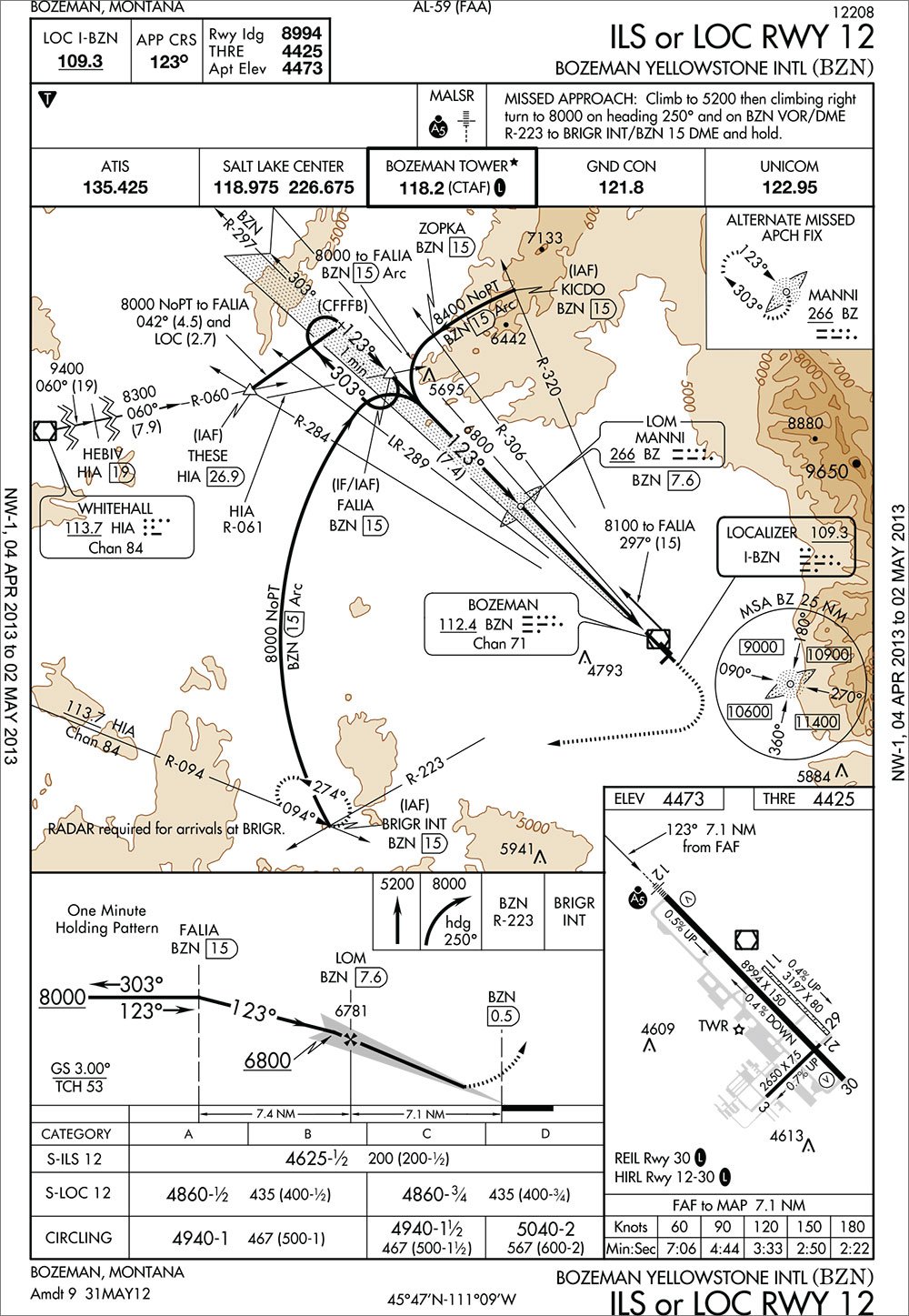
You dont have to know how sausage is made to enjoy it, but you might want to know about some of the ingredients. The same is true for instrument approaches. You dont need to know how they are made, but an understanding of the ingredients will help.
Instrument approaches are structured into up to four distinct segments—initial, intermediate, final, and missed—each designed to guide aircraft from the enroute environment to a landing or a missed approach.
These segments are defined by specific fixes and points (e.g., IAF, IF, FAF, MAP), whose identification and purpose can vary between precision and non-precision approaches, and sometimes between US and ICAO standards.
Understanding the purpose and characteristics of these segments, fixes, and design considerations (like feeder routes or terrain clearance) is crucial for pilots to effectively and safely read, interpret, and execute instrument approach procedures.
You don’t have to know how sausage is made to enjoy it, but you might want to know about some of the ingredients. The same is true for instrument approaches. You don’t need to know how they are made, but an understanding of the ingredients will help.
CREATE A FREE ACCOUNT
Sign up to keep reading
Create a free account to continue. Already a member? Sign in below.