













Register

The Big Sky Theory?

Gemini Sparkle

Key Takeaways:

  • Proactive visual scanning and constantly "clearing" the airspace, including blind spots and behind the aircraft ("check six"), are paramount for mid-air collision avoidance.
  • Effective radio communication, especially identifying the airport during calls, and awareness of visual limitations (e.g., glare, cockpit obstacles, atmospheric conditions) are crucial in preventing collisions.
  • Pilots must be prepared for unexpected traffic and potential panic, knowing correct avoidance maneuvers (like turning right) and procedures to deconflict efficiently.
See a mistake? Contact us.

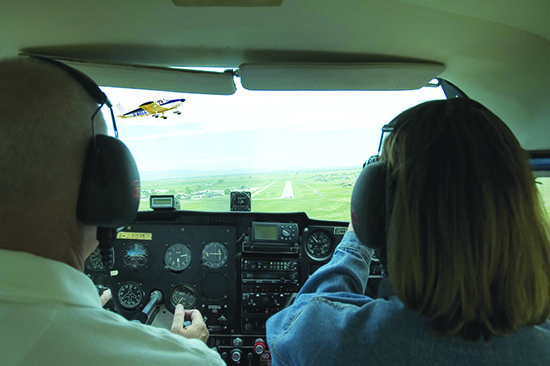
Roper 35, traffic in your twelve o’clock, three miles, type and altitude unknown.” This ATC call got our immediate attention. We were blitzing along in a U.S. Air Force T-38 at 300 knots and about 3000 feet msl, southbound over the Sacramento Valley. The controller might just as well have said, “I hope you’re looking out the windscreen—you have about twelve seconds to hit or miss this guy.”

Clearing the air around us like two terrified pilots would clear—because we were two terrified pilots—we blasted along, bug-eyed, looking everywhere ahead, left and right—and passed a couple hundred feet just about right under a small single-engine airplane. We were close enough to see that the pilot clearly never saw us—he was looking straight ahead, not at us. He made no avoidance move. He may have gotten an ATC call advising him to look out for us. He may not have.


Ready to Sell Your Aircraft?

List your airplane on AircraftForSale.com and reach qualified buyers.

List Your Aircraft
AircraftForSale Logo | FLYING Logo
Pilot in aircraft
Sign-up for newsletters & special offers!

Get the latest stories & special offers delivered directly to your inbox.

SUBSCRIBE