











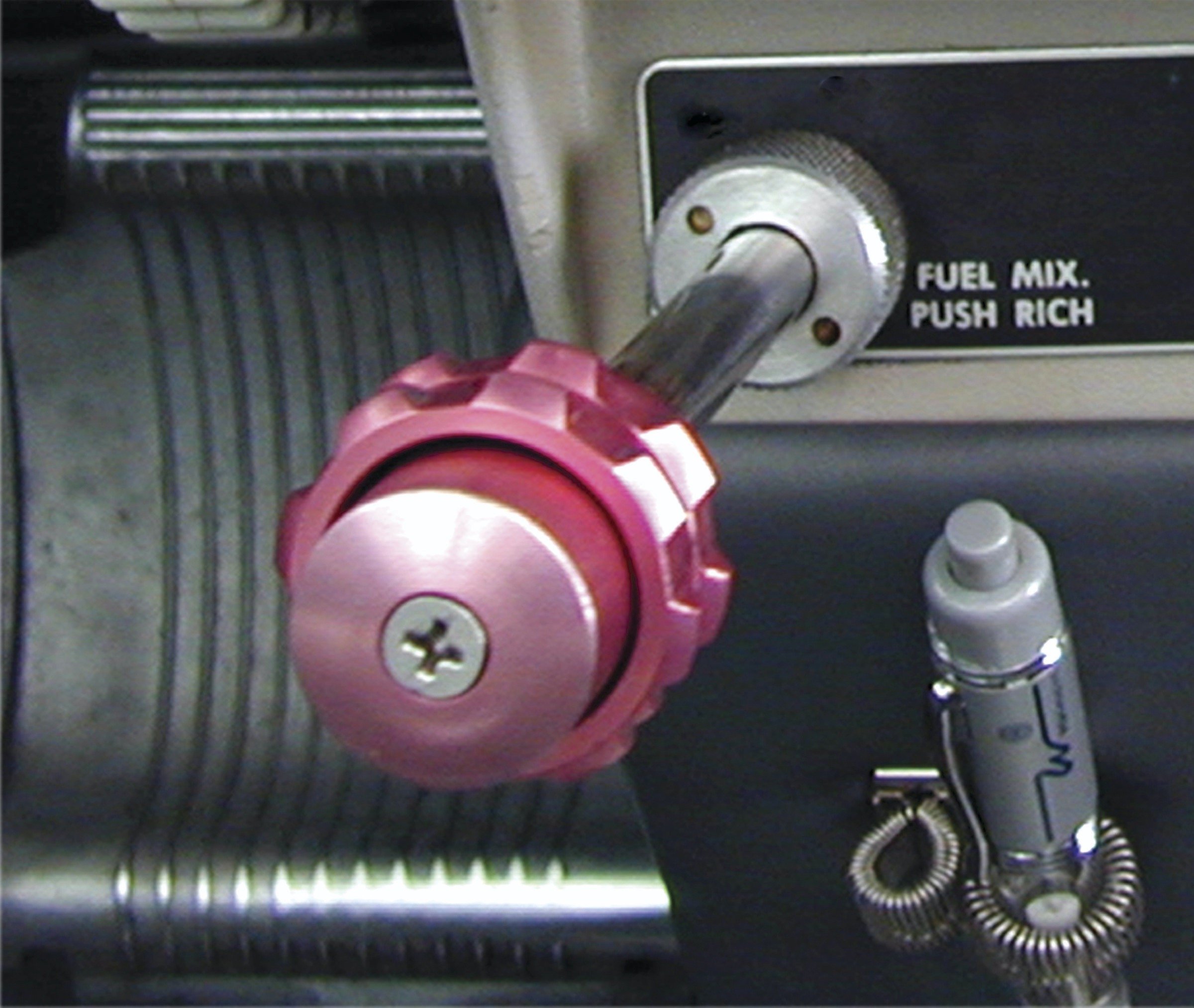


It’s basic human nature that we often want to improve the efficiency of the things we do. It’s also human nature to be skeptical when we’re offered something of value that carries little or no cost: Where’s the catch? What am I giving up to benefit from this largesse? These can be legitimate questions, and they deserve detailed answers, no matter what’s being offered. When considering how pilots use the mixture control to manage aircraft piston engines, desires to improve efficiency and healthy skepticism can intersect.
Leaning an aircraft’s piston engine fuel/air mixture is critical to obtain the performance and fuel economy—range and endurance—the “book” says the airplane will achieve. The documentation accompanying many popular aircraft/engine combinations often will specify the mixture setting required to achieve that performance. In fact, such settings can be difficult to implement without instrumentation often not available when the aircraft was manufactured. And they can be harmful.

