













Register

NTSB Reports

After flying south through the Cajon Pass at 6500 feet msl, the airplane turned west and encountered what the commercial pilot presumed was leeside turbulence from the mountain range. She turned back south to find smoother air but the turbulence became more severe and the airplane began to descend rapidly. As the airline transport pilot struggled to change frequencies in the turbulence, the airplane descended to 2000 feet msl (about 500 feet agl). The commercial pilot applied full power but the engine did not respond. After the airline transport pilot enrichened the mixture and applied carburetor heat, the engine momentarily regained power. At about 2300 feet msl, the engine again lost power, and the ATP decided to land on the westbound lanes of a freeway. As he attempted to avoid a vehicle, the airplane landed hard.

Gemini Sparkle

Key Takeaways:

  • Multiple accidents involved engine power loss during critical flight phases, often attributed to factors like recent maintenance, fuel management errors, or carburetor icing.
  • Several incidents stemmed from a loss of aircraft control, particularly during takeoff or approach, sometimes influenced by adverse weather conditions or pilot actions.
  • Pilot medical emergencies, including a case of carbon monoxide poisoning, resulted in fatal outcomes in some reported accidents.
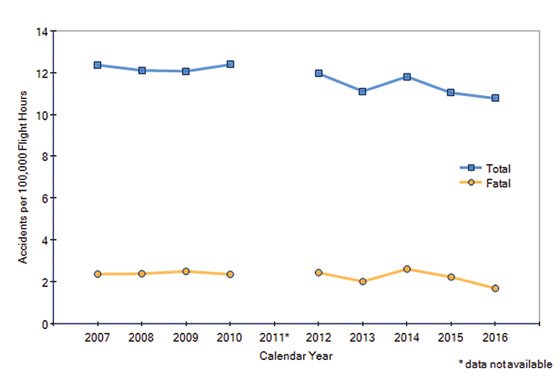
  • The article notes a continuing downward trend in total and fatal personal flying accident rates for the period preceding these specific incidents.
See a mistake? Contact us.

November 1, 2018, Willow, Alaska

Piper PA-12 Super Cruiser

Ready to Sell Your Aircraft?

List your airplane on AircraftForSale.com and reach qualified buyers.

List Your Aircraft
AircraftForSale Logo | FLYING Logo
Pilot in aircraft
Sign-up for newsletters & special offers!

Get the latest stories & special offers delivered directly to your inbox.

SUBSCRIBE

