











If youve flown much in front of a Garmin G1000 or Avidyne system equipped with datalinked weather, you know they can deliver nearly as much information as an FSS briefing or a Duat session. While datalink weather was never intended to substitute for a full weather briefing, the reality is many pilots use it that way. But does it substitute for a full-up weather briefing, practically or legally? The answer to the first question is “maybe,” but to the second, its a fuzzy “no.” Still, getting 288
Datalink Weather Brief
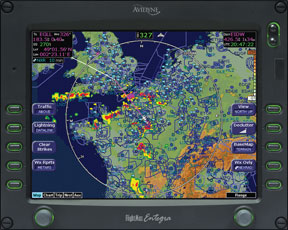
If youve flown much in front of a Garmin G1000 or Avidyne system equipped with datalinked weather, you know they can deliver nearly as much information as an FSS briefing or a Duat session. While datalink weather was never intended to substitute for a full weather briefing, the reality is many pilots use it that way. But does it substitute for a full-up weather briefing, practically or legally? The answer to the first question is "maybe," but to the second, its a fuzzy "no." Still, getting your weather brief literally "on the fly" in the cockpit can save a bunch of time. If the route is familiar and conditions relatively mild, the only thing youll miss is the FSS briefers closing plea for Pireps.

Key Takeaways:
- Datalink weather systems offer convenient in-cockpit access to extensive information like NEXRAD and graphical METARs, often sufficient for pre-flight briefings in benign weather conditions.
- However, datalink systems are not a complete substitute for traditional weather briefings, especially in dynamic or complex weather, and legally may not be considered a full briefing.
- A significant drawback is the omission of critical NOTAMs (Notice to Airmen) and comprehensive area forecasts, which can lead to substantial safety and operational oversights.
- While valuable for specific data such as TFRs, pilots should supplement datalink weather with FSS or online sources for a thorough, legally compliant pre-flight assessment, particularly in marginal or IFR conditions.
Key takeaways sponsored by Aviator Pro | Start Your Training ->
See a mistake? Contact us.

