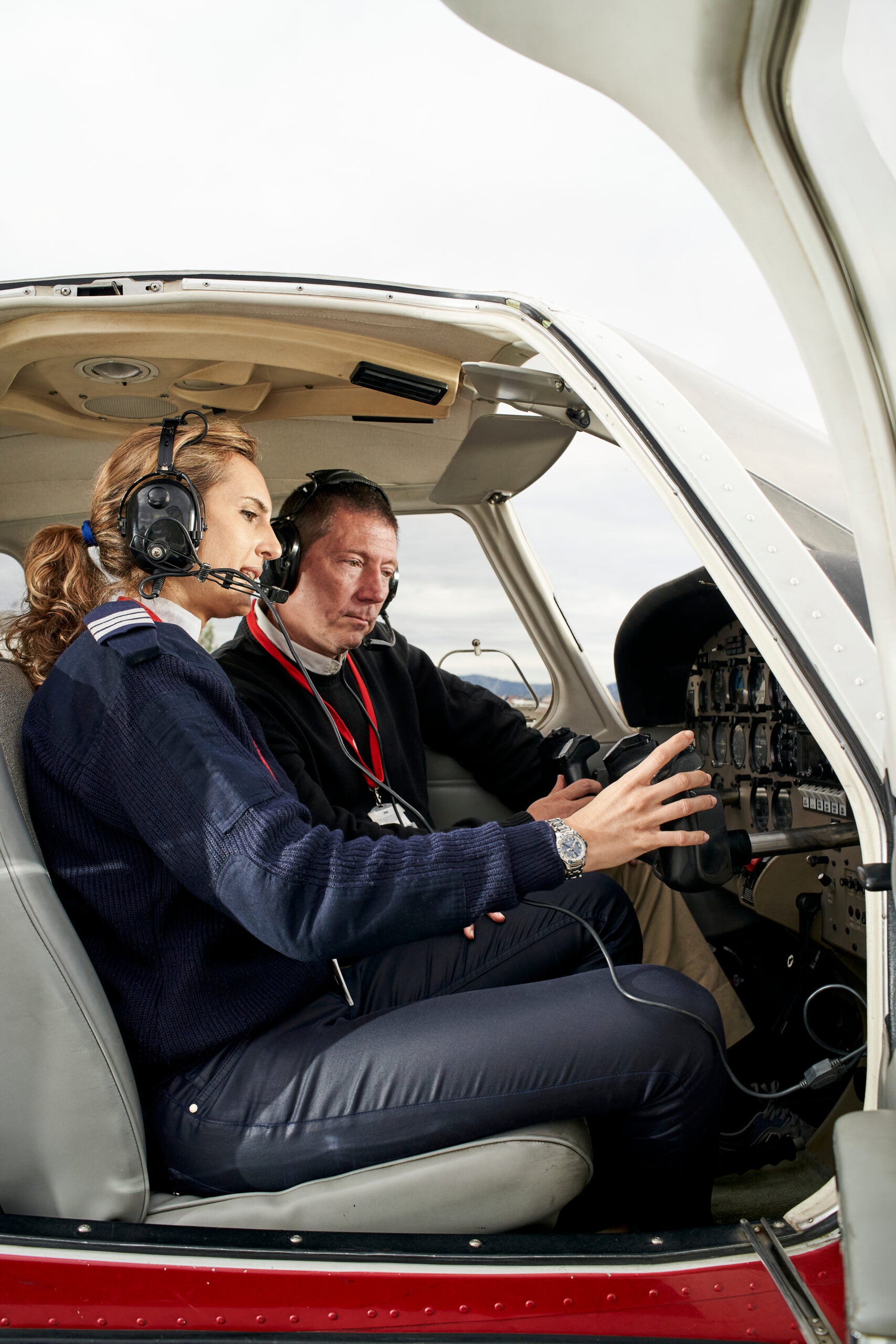
There are times when flight training plans just become too impractical. [Shutterstock]
Key Takeaways:
Flight training is highly variable, and new pilots often underestimate the numerous factors (instructor, aircraft, weather, DPE, finances) that make rigid completion timelines impractical.
Accelerating training through overly long lessons, combining complex ground schools, or starting in advanced aircraft (e.g., multiengine) from scratch is often counterproductive, leading to learner frustration and inefficient absorption of material.
While ambition and finances are important, successful flight training requires consistent drive, patience, and a realistic understanding that the learning process cannot be rushed or bypassed, as some essential aspects simply cannot be bought.
When you begin your flight training, you don’t know what you don’t know.
You walk into a flight school filled with dreams and ambition, and if you are lucky, the time and a healthy bank account. You may have ideas on how to expedite your training—such as flying five hours a day, five days a week with the idea you’ll be a private pilot in two months.
CREATE A FREE ACCOUNT
Sign up to keep reading
Create a free account to continue. Already a member? Sign in below.
Meg Godlewski has been an aviation journalist for more than 24 years and a CFI for more than 20 years. If she is not flying or teaching aviation, she is writing about it. Meg is a founding member of the Pilot Proficiency Center at EAA AirVenture and excels at the application of simulation technology to flatten the learning curve. Follow Meg on Twitter @2Lewski.