













Register

Thinking Your Way Through the Takeoff

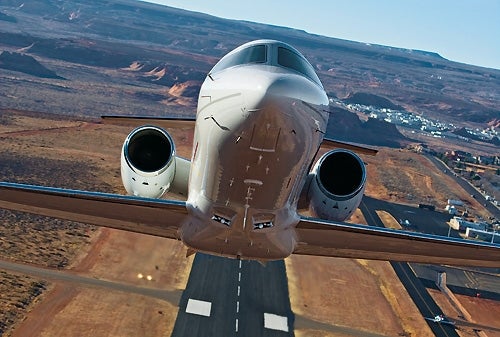
The takeoff is the only maneuver in flying that gives a pilot unlimited time to plan.

Gemini Sparkle

Key Takeaways:

  • Takeoffs are a high-risk phase of flight where accidents are most often caused by pilot planning failures, not engine loss, highlighting the critical need for thorough preparation before departure.
  • Light aircraft pilots must meticulously plan takeoffs using performance data for runway length and climb gradient, but critically, they must add their own safety margins as aircraft manuals lack them and often omit factors like runway slope or contamination.
  • A comprehensive takeoff plan requires ensuring sufficient runway length, adequate climb performance to clear all obstructions (considering wind's impact on climb gradient), and a pre-determined strategy for handling an engine failure immediately after liftoff.
See a mistake? Contact us.

In most respects a takeoff is the easiest maneuver in flying. Your instructor probably let you handle all, or at least most of the takeoff on your very first flight lesson. But the takeoff and early stages of departure continue to stand out in the accident statistics, which show only approach and landing with a higher concentration of risk.

But the takeoff is the one maneuver or phase of flight where the pilot can take all the time he needs to plan. Once in flight you can’t stop or even fly too slowly while you consider how to handle a difficult situation. There is no pulling to the side of the road to think things over or to wait for conditions to improve once in flight.


Ready to Sell Your Aircraft?

List your airplane on AircraftForSale.com and reach qualified buyers.

List Your Aircraft
AircraftForSale Logo | FLYING Logo
Pilot in aircraft
Sign-up for newsletters & special offers!

Get the latest stories & special offers delivered directly to your inbox.

SUBSCRIBE