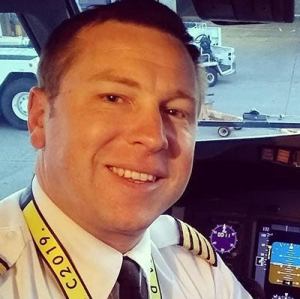
Tick, tock. I resisted the temptation to look at my watch, then stole a furtive glance into my shirt cuff. Still only 2:15 p.m. I’d been at Horizon Air’s operations center on the edge of the Portland International Airport for a little over four hours, but it seemed much longer, and now time was slowing to a near standstill as I awaited my fate. I leaned back in my chair, self-consciously straightened up, readjusted my tie and smoothed out my suit coat. I was replaying each part of the interview in my head. I knew it hadn’t been perfect — but was it good enough? I’d soon find out. I’d been trying to get hired by Horizon for nearly a year, and the thought that all that effort had gone to waste was almost too much to bear. Lost in my thoughts, I barely noticed the approach of a neatly dressed secretary. “Mr. Weigel?” I jumped to my feet. “Capt. Haugaard will see you now.”
Taking Wing: Landing the Job, Part 2

Key Takeaways:
- Successful pilot interviews demand comprehensive preparation, including researching the company's specific process, undertaking deep technical study, and extensively practicing both behavioral questions and simulator check rides.
- Candidates should project a professional and conservative image through appropriate attire and maintain a consistently positive attitude, carefully navigating questions that might invite negativity about past experiences.
- Key soft skills include confident communication, controlled authenticity, and resilience under pressure, particularly when confronting stressful or challenging interview scenarios.
- Even highly qualified candidates are not guaranteed success, highlighting that dedicated preparation and strong interview performance are critical for securing a flying job.
Key takeaways sponsored by Aviator Pro | Start Your Training ->
See a mistake? Contact us.