













Register

Respect the Prop

The situational awareness you are developing as a pilot begins before engine start.

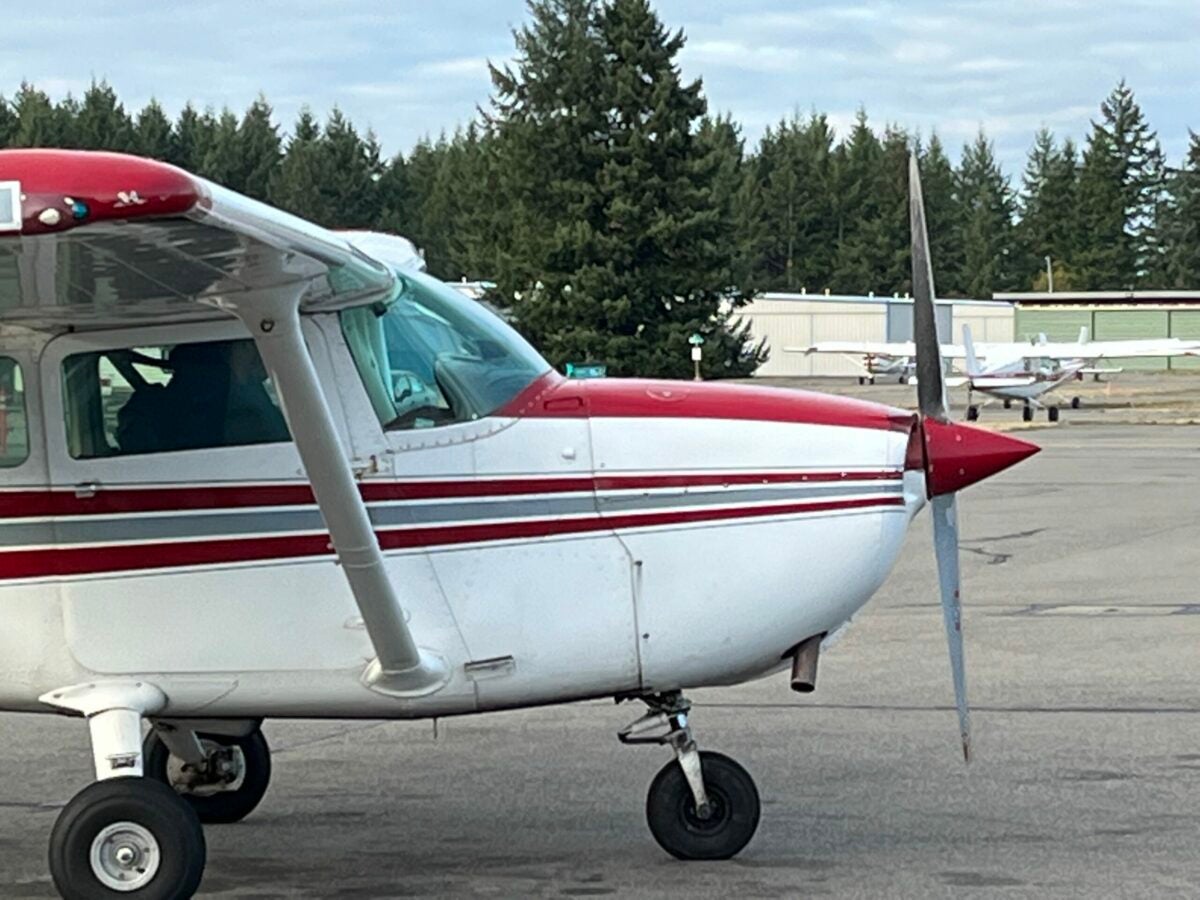
Respect the propeller like it is a bull, or a large dog you do not know. [Credit: Meg Godlewski]
Gemini Sparkle

Key Takeaways:

  • Prop wash is a significant ground hazard capable of causing serious damage to persons and property, necessitating thorough checks of the area behind the aircraft before engine start.
  • Pilots must maintain acute situational awareness on the ground, especially regarding individuals (the "aviation impaired") who may not understand the dangers of spinning propellers or moving aircraft.
  • Safe ground handling requires adherence to best practices, including following taxi lines, properly managing equipment like chocks and tiedowns, making appropriate radio calls, and avoiding shortcuts to prevent ground accidents.
See a mistake? Contact us.

There are many misconceptions about prop wash. There is the classic hazing of a new pilot, asking him or her to get a bucket of it—and then in all seriousness, there are warnings to be mindful of it. Prop wash, the wind coming off the propeller toward the back of the aircraft, does more than mess up your hair and blow your cap off—it can cause a lot of damage to both persons and property, and therefore it must be respected.

Prop wash is a ground thing. It is a hazard right up there with running over a chock or tiedown rope. I have been flying since the Reagan administration. In July, I will mark 20 years as a CFI, and I will tell you that with the exception of a midair collision, accidents caused by sloppy ground handling are what I fear the most. Often these are caused by poor training and a lack of attention by the pilot—or a combination of both. Airplanes are awkward on the ground: You have to watch your wings, your tail, your prop—and your prop wash.

Meg Godlewski

Meg Godlewski has been an aviation journalist for more than 24 years and a CFI for more than 20 years. If she is not flying or teaching aviation, she is writing about it. Meg is a founding member of the Pilot Proficiency Center at EAA AirVenture and excels at the application of simulation technology to flatten the learning curve. Follow Meg on Twitter @2Lewski.

Ready to Sell Your Aircraft?

List your airplane on AircraftForSale.com and reach qualified buyers.

List Your Aircraft
AircraftForSale Logo | FLYING Logo
Pilot in aircraft
Sign-up for newsletters & special offers!

Get the latest stories & special offers delivered directly to your inbox.

SUBSCRIBE
