
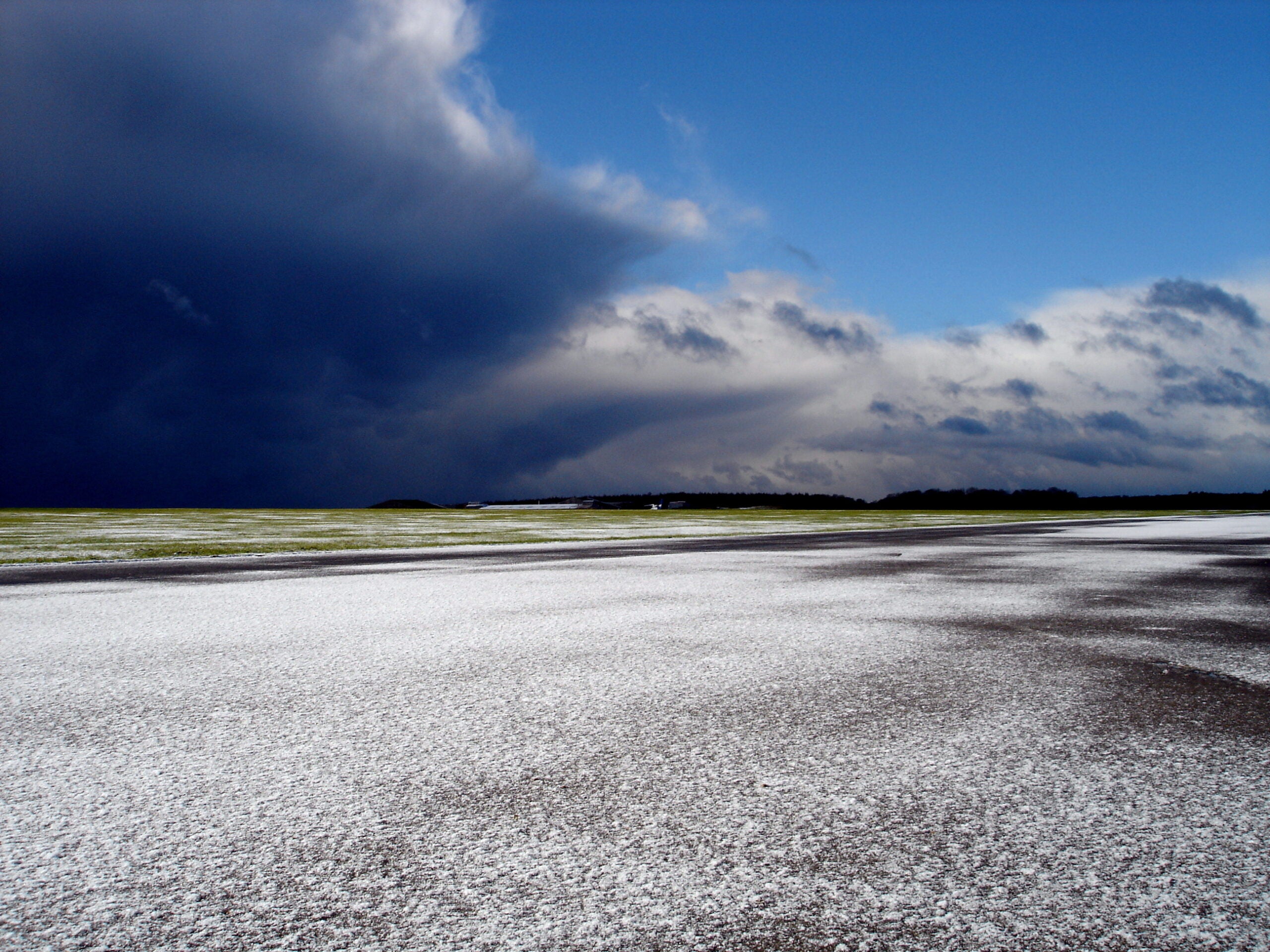


Q: Is it possible to identify the typical sequence during which snow will fall in the Midwest versus an area prone to receiving lake effect snow? It seems snow pellets or sleet/ice pellets appear before flakes in some circumstances.
A: Outside of large hailstones, the precipitation type that gets reported at the surface depends entirely on the vertical temperature profile. A winter weather system that lays down a few inches of snow, and one that produces ice pellets or rain may hinge on a degree or two of difference in the temperature aloft. This kind of uncertainty is what drives meteorologists crazy during the cold season. While the weather can unfold in countless ways, there are a few common themes to consider.
For snow to reach the surface, a couple of things need to occur. First, the temperature close to the surface and aloft needs to be sufficiently cold. Even so, the entire temperature profile below the base of the snow-producing cloud doesn’t have to be below 0 degrees Celsius but cannot be too warm or snowflakes will melt as they fall into the above-freezing air near the surface. Nevertheless, it is possible to get wet snow on grassy surfaces with a surface temperature as warm as +4 degrees C. But at that temperature, it usually melts on contact if it survives at all.