











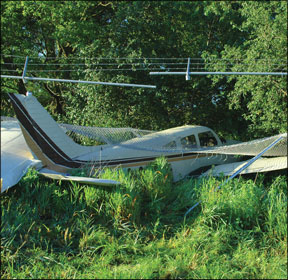
Mishaps happen for a number of reasons, but all too often theres a “what were they thinking?” element to an NTSB accident report. In the calm, clear skies of retrospect-or a motionless easy chair-its easy to condemn a bad decision and move on. But its not usually a single bad decision that causes tragedy. Pilots dont take off intentionally choosing to put themselves in a no-win situation; they dont mean to kill themselves, their families and friends. How do pilots come to make blatantly bad decisions? When can a decision made on the ground, perhaps weeks or months before the accident flight, be recognized for its potential contribution to a mishap? How can we catch our own bad choices before its too late? Maybe by examining some particularly egregious examples, we 288
Why It Went Wrong
Mishaps happen for a number of reasons, but all too often theres a "what were they thinking?" element to an NTSB accident report. In the calm, clear skies of retrospect-or a motionless easy chair-its easy to condemn a bad decision and move on. But its not usually a single bad decision that causes tragedy. Pilots dont take off intentionally choosing to put themselves in a no-win situation; they dont mean to kill themselves, their families and friends.

Key Takeaways:
- Pilot accidents frequently result from a gradual accumulation of poor decisions, rather than a single critical error, often leading to a "slippery slope" of increasing risk.
- Underlying factors contributing to these bad decisions include economic pressures leading to deferred maintenance, complacency with pre-flight checks, overconfidence or "showing off," and operating with known but legally permissible deficiencies.
- The article emphasizes that pilots may rationalize small compromises in safety or rely on workarounds, progressively eroding safety margins until an accident occurs.
Key takeaways sponsored by Aviator Pro | Start Your Training ->
See a mistake? Contact us.

