











Over the past few years the FAA has added new non-precision instrument approaches at a remarkable rate-thousands of procedures with names like LNAV and VNAV, and ILS-comparable LPV approaches-2208 LPV approaches alone. The common denominator among these relative newcomers to an instrument pilots nomenclature is their dependence on the wonders of GPS, in particular, Wide Area Augmentation System-based (WAAS) GPS. The primary benefit of a WAAS-enhanced 288
NPAs: Stable Or Not?
Over the past few years the FAA has added new non-precision instrument approaches at a remarkable rate-thousands of procedures with names like LNAV and VNAV, and ILS-comparable LPV approaches-2208 LPV approaches alone. The common denominator among these relative newcomers to an instrument pilots nomenclature is their dependence on the wonders of GPS, in particular, Wide Area Augmentation System-based (WAAS) GPS. The primary benefit of a WAAS-enhanced approach is availability of a pseudo glideslope generated by the in-cockpit GPS navigator, bringing ILS-like vertical guidance where theres no ILS.
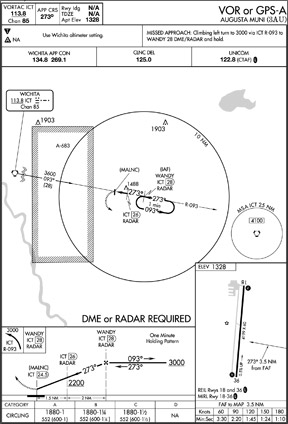

Key Takeaways:
- The FAA has rapidly introduced WAAS-enhanced GPS approaches (LNAV, VNAV, LPV) that provide ILS-like vertical guidance, replacing traditional "dive-and-drive" methods with more stable, constant-angle descents.
- While GPS-generated glideslopes offer increased stability and are often preferred for their reliability, traditional non-precision approaches (NPAs) can still be advantageous in certain conditions by allowing varied descent strategies and potentially offering lower minimums.
- The aviation industry is moving away from "dive-and-drive" due to safety concerns, favoring stabilized approaches. However, pilots need to understand the nuances of both new and old approach types to make the safest choice based on weather, equipment, and specific airport characteristics.
Key takeaways sponsored by Aviator Pro | Start Your Training ->
See a mistake? Contact us.

