











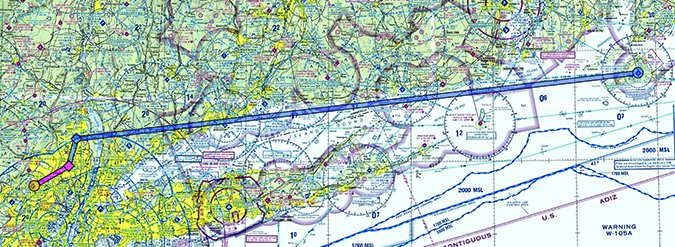


Given enough time, it seems any discussion of general aviation involving non-pilots always will come around to someone asking, “What happened to JFK, Jr.?” John F. Kennedy, Jr., of course, was the only son of former U.S. President John F. Kennedy, who was assassinated in Dallas, Texas, on November 22, 1963. For a week or so in July 1999, coverage of the flight resulting in JFK, Jr.’s death—and of his two passengers—dominated the U.S. media. It remains one of the most high-profile U.S. general aviation accidents and, for non-pilots, the JFK, Jr., accident is Exhibit A why personal airplanes are “dangerous.”
After his airplane was reported overdue and missing, it took three days for searchers to locate the underwater crash site using side-scan sonar, and cable news breathlessly reported every development. This media event practically begged viewers to ask themselves, “If someone with JFK, Jr.’s resources can’t fly a well-equipped small airplane, what chances do I have, or the person I met last night at that cocktail party?” So, what to tell your in-laws or dinner-party guests, that’s both accurate and reassuring? Is there a non-technical way you can explain what happened? Most important, what can we learn from it, and how can we prevent what happened when it’s our turn?

