











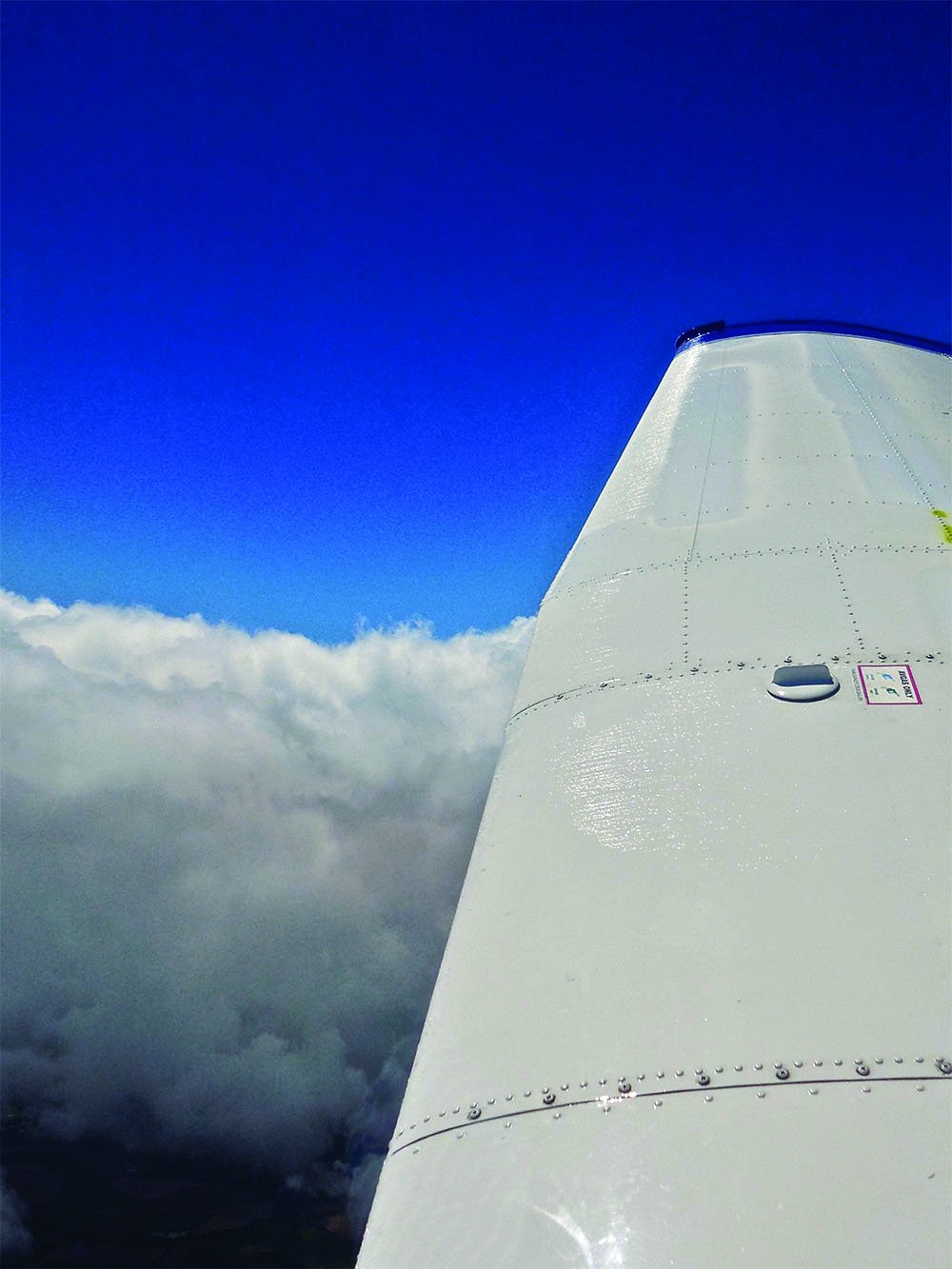


The potential for in-flight icing during an IFR flight—regardless of whether the airplane is approved for flight into known icing or not—means doing serious plotting and scheming prior to departure, and throughout the flight. As has been demonstrated for years, structural icing does bad things to airframes. Best to presume every cloud will contain ice, and plan accordingly.
To illustrate our point, we’ll look at a hypothetical flight from the Lima (Ohio) Allen County Airport (KAOH) to the Wexford County Airport in Cadillac, Mich. (KCAD). (We’re going to KCAD because the FBO rents airplanes on skis and we purely love skiplane flying.) To get there, we’ll be flying a Cessna 177B Cardinal, a stable instrument platform with satisfactory climb and cruise performance, but lacking turbocharging or real ice protection.

