











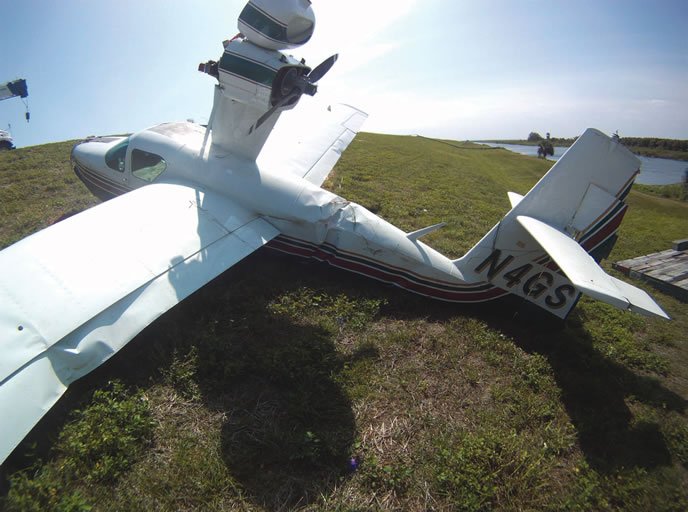


I’ve noticed there is a bias, sometimes spoken aloud, that a pilot who made some sort of a mistake and had an accident was either not terribly bright, lacked basic skills or just plain didn’t have the magical “right stuff.” As an instrument instructor, I’ve certainly seen pilots with poor skills or who weren’t terribly bright or had lousy judgment, and some of them crashed an airplane. I’ve also seen some extraordinarily good pilots who were possessed of all the right stuff imaginable, who also made mistakes and crashed.
A few years ago a team at NASA did intense research into why smart pilots crash. The team, lead by NASA’s Chief Scientist for Aerospace Human Factors, Key Dismukes, himself an experienced pilot, looked at a series of airline accidents—although the accidents could well have been general aviation airplanes on IFR flight plans. The team published its results in a book, The Limits of Expertise: Rethinking Pilot Error and the Causes of Airline Accidents. (A related presentation is online at: human-factors.arc.nasa.gov/flightcognition/article2.htm). It’s not only eye-opening—it takes a refreshingly common sense approach to understanding why smart, competent pilots crash and what can be done about it.

