













Register

Ramp Safety

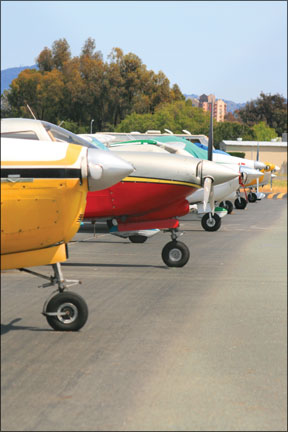
Every pilot, to one degree or another, spends time contemplating risk management. While aviation is known to be potentially risky, most aviators adopt the strategy of actively managing risk as a means of minimizing the exposure to danger. Each and every flight involves a series of choices and judgments, either conscious or not, that ideally insures the safe completion of the flight. Outside the cockpit, we spend a significant portion of time reading accident reports, attending safety seminars or even going through the new FARs. Virtually every aspect of flight safety is scrutinized. I say "virtually" since there is one area which is generally given very little consideration. That is what happens on the ramp. How safe (or dangerous) is it to be in the vicinity of an airport ramp? It is exceedingly difficult to derive a useful statistical comparison (like fatalities per 100,000 flight hours) since there is a broad spectrum in ramp activities; from a sleepy grass strip where hand-propping might be the greatest danger, to a large metropolitan airport where the intensity of activity can appear to create a blur. The risks and frequency of events are likely to be completely different across the spectrum of airports. However, knowing what has happened to other pilots and operators might make you pause to think next time you walk across the apron while talking on your cellphone or glancing at the likely departure procedure. Instead, we need to recognize the hazards of being in an area where bad things can and do happen, and then look at the ramp in different way.

Gemini Sparkle

Key Takeaways:

  • Airport ramps, often perceived as safe, are frequently overlooked hazardous environments with significant potential for accidents, injuries, and fatalities.
  • A study revealed 80 ramp-related accidents, 98 ground-crew injuries, and 21 fatalities in U.S. commercial aviation between 1983 and 2004, with most occurring during aircraft departure or while moving.
  • Key dangers on the ramp include propeller/rotor strikes, vehicle collisions with aircraft or personnel, and fires, often complicated by factors like low light or non-standard procedures.
  • The article emphasizes the critical need for increased awareness, proper training, and strict adherence to safety protocols for all individuals working in or transiting the ramp area.
See a mistake? Contact us.

Every pilot, to one degree or another, spends time contemplating risk management. While aviation is known to be potentially risky, most aviators adopt the strategy of actively managing risk as a means of minimizing the exposure to danger. Each and every flight involves a series of choices and judgments, either conscious or not, that ideally insures the safe completion of the flight. Outside the cockpit, we spend a significant portion of time reading accident reports, attending safety seminars or even going through the new FARs. Virtually every aspect of flight safety is scrutinized. I say “virtually” since there is one area which is generally given very

288


Ready to Sell Your Aircraft?

List your airplane on AircraftForSale.com and reach qualified buyers.

List Your Aircraft
AircraftForSale Logo | FLYING Logo
Pilot in aircraft
Sign-up for newsletters & special offers!

Get the latest stories & special offers delivered directly to your inbox.

SUBSCRIBE