













Register

Bottom of the White

When transitioning between Earth and sky and back again, we fly at the lower end of the controlled-flight regime-as Goldilocks might say, Not too fast, not too slow, but just right. Pilots departing generally spend less time in the bottom range of their aircrafts airspeed envelope than during arrivals and approaches. Departing, we accelerate into the takeoff roll, lift off and, still accelerating, climb. Arrivals are the opposite. We descend and slow to approach speed, enter the pattern, and decelerate even more when sliding down the final.

Gemini Sparkle

Key Takeaways:

  • Loss-of-control (LOC) accidents, particularly during low-speed phases like approach, landing, and maneuvering, are the leading cause of general aviation fatalities.
  • Improper execution of slow flight, despite being a fundamental and frequently practiced skill, is a significant contributor to these LOC accidents.
  • To prevent slow-flight-related LOC accidents, pilots must continually practice slow-flight maneuvers, fully understand stall phenomena and angle-of-attack (AoA) concepts, and develop precise rudder control.
  • The Airman Certification Standards (ACS) reinforce the critical importance of mastering slow-flight skills for pilot certification and overall flight safety.
See a mistake? Contact us.

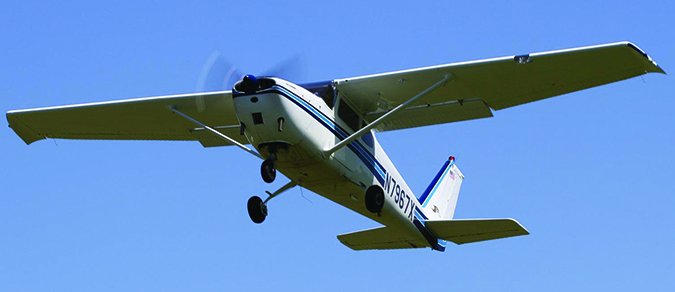
When transitioning between Earth and sky and back again, we fly at the lower end of the controlled-flight regime—as Goldilocks might say, “Not too fast, not too slow, but just right.” Pilots departing generally spend less time in the bottom range of their aircraft’s airspeed envelope than during arrivals and approaches. Departing, we accelerate into the takeoff roll, lift off and, still accelerating, climb. Arrivals are the opposite. We descend and slow to approach speed, enter the pattern, and decelerate even more when sliding down the final.

By the time we cross the runway threshold, we’re deliberately slowing to just short of losing control, a condition that can and has precipitated stalling at a higher-than-desired altitude above the runway, but without the excess speed that can bring on one form of loss-of-control event. It’s in that few minutes when we’re low, slow and maneuvering that a significant percentage of loss-of-control accidents begin. With practice, we nail the landing, though, thanks to the instruments. It’s what the airspeed (ASI) or angle-of-attack (AoA) indicators show us that counts. That’s what happens when we do everything right. It’s not all that hard.


Ready to Sell Your Aircraft?

List your airplane on AircraftForSale.com and reach qualified buyers.

List Your Aircraft
AircraftForSale Logo | FLYING Logo
Pilot in aircraft
Sign-up for newsletters & special offers!

Get the latest stories & special offers delivered directly to your inbox.

SUBSCRIBE