













Register

How Flight Hours Translate to Experience

Whenever two or more pilots get together in the same place, the conversation eventually gets around to which of them has the greatest number of flight hours. The yardstick of how much time youve spent aloft is more than just small-scale bragging rights, of course-it also can determine whether youre eligible for a subsequent certificate, or even legal to carry passengers. And then theres the matter of insurance coverage.The simple fact is that most of the aviation world measures how competent we are in the cockpit by how much time we may have spent there. The inference is that high-time pilots are safer, and that low-time pilots are less safe. The fallacy is highlighted if we put someone with 20,000 hours as PIC of a 747 into a piston single and ask him or her to perform an engine-out approach from downwind: Without some practice-i.e., some experience with that particular operation-its not likely to turn out well. What is experience? How to measure it? Most important: If its so valuable, how can we get more of it?

Gemini Sparkle

Key Takeaways:

  • Aviation experience is more than just total flight hours; it's defined by practical knowledge, skill, and understanding gained from direct participation and learning from past events.
  • While accident statistics often link higher overall flight experience to fewer incidents, the *type* of experience and operational context are crucial, as pilots with limited exposure (e.g., Sport/Student) can also exhibit low accident rates due to restricted flying conditions and greater supervision.
  • To gain experience safely and minimize risk, pilots should fly more frequently, intentionally undertake new operations (preferably with an instructor), learn from challenges, and accurately assess their personal limitations.
See a mistake? Contact us.

Whenever two or more pilots get together in the same place, the conversation eventually gets around to which of them has the greatest number of flight hours. The yardstick of how much time you’ve spent aloft is more than just small-scale bragging rights, of course—it also can determine whether you’re eligible for a subsequent certificate, or even legal to carry passengers. And then there’s the matter of insurance coverage.

The simple fact is that most of the aviation world measures how competent we are in the cockpit by how much time we may have spent there. The inference is that high-time pilots are safer, and that low-time pilots are less safe. The fallacy is highlighted if we put someone with 20,000 hours as PIC of a 747 into a piston single and ask him or her to perform an engine-out approach from downwind: Without some practice—i.e., some experience with that particular operation—it’s not likely to turn out well. What is experience? How to measure it? Most important: If it’s so valuable, how can we get more of it?


Ready to Sell Your Aircraft?

List your airplane on AircraftForSale.com and reach qualified buyers.

List Your Aircraft
AircraftForSale Logo | FLYING Logo
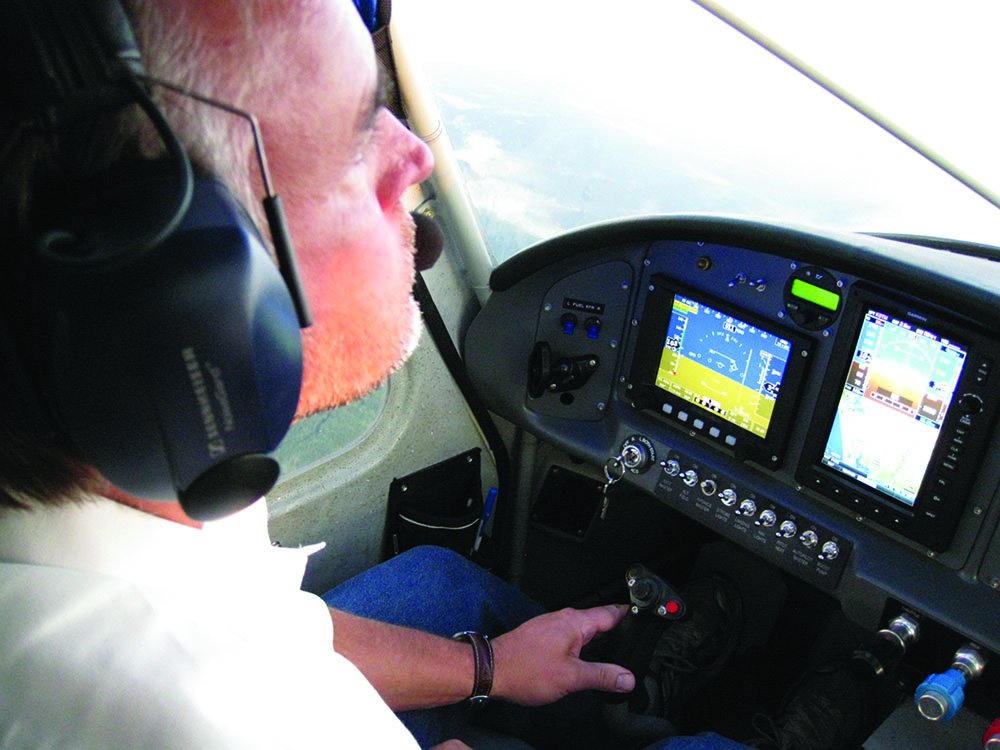
Pilot in aircraft
Sign-up for newsletters & special offers!

Get the latest stories & special offers delivered directly to your inbox.

SUBSCRIBE