














ZeroAvia Completes First Round of Flight Tests with Hydrogen-Electric Aircraft

Developer of sustainable propulsion systems is looking forward to longer cross-country flights.

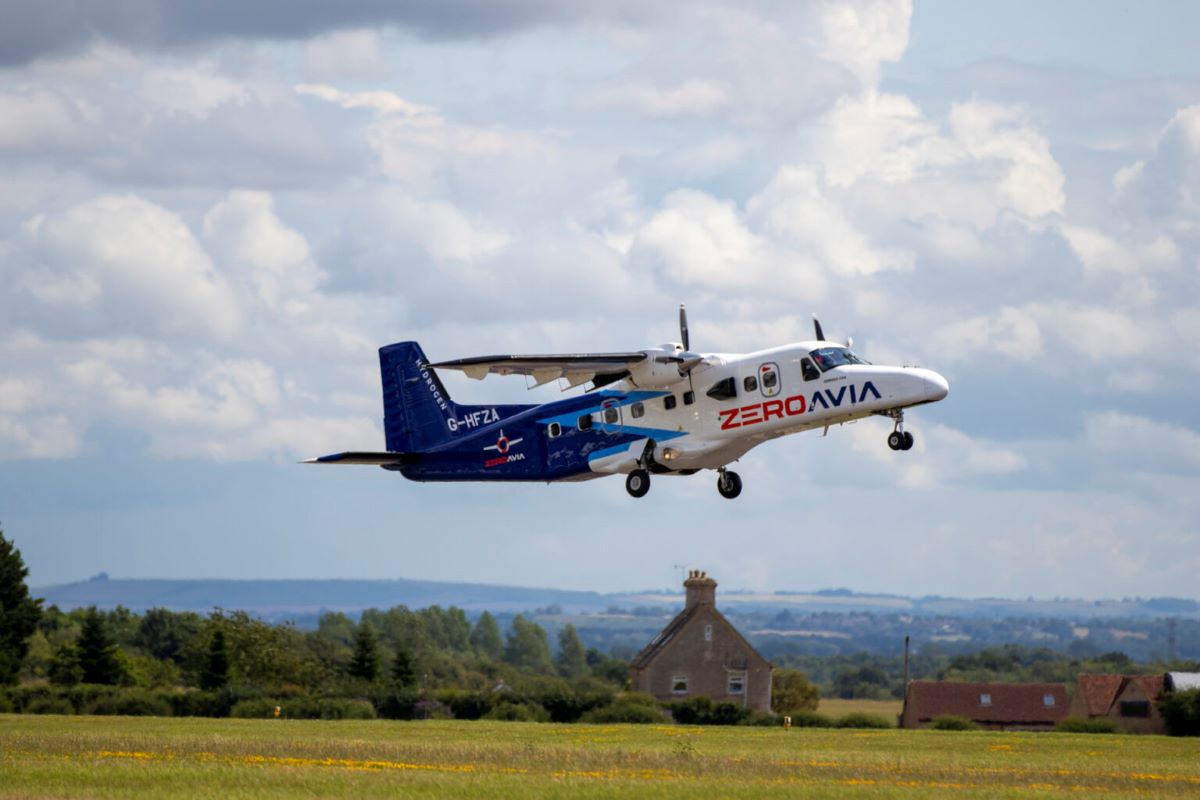
Hydrogen propulsion developer ZeroAvia said its recent flight-test campaign included altitude, speed, and endurance. [Courtesy: ZeroAvia]
Gemini Sparkle

Key Takeaways:

  • ZeroAvia successfully completed an initial series of 10 test flights for its prototype ZA600 hydrogen-electric engine on a retrofitted Dornier 228 aircraft.
  • The engine performed at or above expectations during tests, matching the power of a conventional engine and enabling flight with only the experimental system in certain instances.
  • These initial flights, which included assessments of altitude, speed, duration, and cruise, pave the way for future longer cross-country flights and continued development of zero-emission propulsion.
See a mistake? Contact us.

ZeroAvia, a developer of zero-emission propulsion systems for aircraft, said it completed the initial series of 10 test flights of a Dornier 228 twin retrofitted with the company’s prototype ZA600 hydrogen-electric engine.

The series of tests, conducted at Cotswold Airport (EGBP) in the U.K., included cruise testing aimed at developing projections of the potential ranges the aircraft could cover using the experimental propulsion system. The recently completed flights also set the stage for longer cross-country flights that will be part of the next stage of testing, ZeroAvia said.


After performing the first flight of the Dornier test aircraft in January, with the ZA600 mounted on one wing and a conventional engine on the other, the company has tested a number of performance categories, including altitude, speed, and duration. 

The test aircraft has flown at 5,000 feet, performed an endurance test of 23 minutes, and operated in a range of temperatures from just above freezing to almost 86 degrees Fahrenheit.

“Critically, throughout all phases of testing, the fuel cell power generation and electric propulsion system that are the core components of the novel zero-emission engine performed at or above expectations,” the company said. “The hydrogen-electric engine has matched the power of the conventional, fossil fuel engine on the opposite wing, with the pilots able to fly with thrust generated only from the experimental clean propulsion system in certain tests.”

Jonathan Welsh

Jonathan Welsh is Lead Editor of Aviation Consumer and a private pilot who worked as a reporter, editor and columnist with the Wall Street Journal for 21 years, mostly covering the auto industry. His passion for aviation began in childhood with balsa-wood gliders his aunt would buy for him at the corner store. Follow Jonathan on Twitter @JonathanWelsh4

Ready to Sell Your Aircraft?

List your airplane on AircraftForSale.com and reach qualified buyers.

List Your Aircraft
AircraftForSale Logo | FLYING Logo
Pilot in aircraft
Sign-up for newsletters & special offers!

Get the latest stories & special offers delivered directly to your inbox.

SUBSCRIBE
