











The instruments in our so-called “steam-gauge” panels are marvels of ingenuity. A collection of springs, tubing, gears, bellows, shafts and dials, their basic design predates most of the pilots staring at them. While they have, for the most part, been rendered obsolete by the latest microelectronics and air-data computers, they still work as advertised. Well, pretty much. The fact is our faithful mechanical instruments are regularly susceptible to certain 288
Your Altimeter Lies
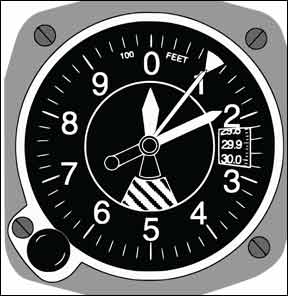
The instruments in our so-called "steam-gauge" panels are marvels of ingenuity. A collection of springs, tubing, gears, bellows, shafts and dials, their basic design predates most of the pilots staring at them. While they have, for the most part, been rendered obsolete by the latest microelectronics and air-data computers, they still work as advertised. Well, pretty much. The fact is our faithful mechanical instruments are regularly susceptible to certain errors. Too, they can fall victim to not-so-regular problems, mostly brought about through neglect or damage. The good news is many of these errors are predictable, if we take the time to understand how the instruments work and how the errors may manifest themselves.

Key Takeaways:
- Mechanical altimeters, despite their ingenuity, are prone to various inherent instrument errors, including those related to internal mechanisms, installation, and hysteresis.
- Environmental factors, such as changes in atmospheric pressure and temperature, significantly affect altimeter accuracy, leading to potential discrepancies like indicating a higher altitude than actual when flying into lower pressure or colder air.
- Accurate altitude readings critically depend on pilots correctly inputting the local barometric pressure setting via the Kollsman window, as human error is a common cause of altimetry inaccuracies.
- Regular preflight checks and mandated maintenance, especially for IFR operations, are essential to identify and mitigate altimeter errors, with deviations over 75 feet requiring professional recalibration for flight safety.
Key takeaways sponsored by Aviator Pro | Start Your Training ->
See a mistake? Contact us.

